In mid-2026, the global geopolitical chessboard is no longer defined by borders or traditional armies, but by GPU clusters and the capacity to train hyperscale AI models. As Silicon Valley and Beijing trade blows in the race for Artificial General Intelligence (AGI), a new breed of 'AI Doomers' is emerging in Europe. This time, their fear isn't about humanity's extinction by robots, but something more immediate and humiliating: the gradual slide of the Old Continent into economic and technological irrelevance.
The Compute Divide
According to a recent analysis published by Bloomberg Tech, Europe faces an existential crisis of innovation. Despite the full implementation of the AI Act, the European Union appears trapped in the role of a 'regulator without a product.' While Brussels perfects ethical guidelines, European companies are forced to 'rent' intelligence from American giants. The lack of domestic 'sovereign compute' infrastructure has created a dependency reminiscent of the energy dependencies of the past. Analysts warn that without a 'massive and aggressive' investment in data centers and semiconductors, Europe will remain a mere consumer of foreign technologies, losing control over its data and its values.
The Regulatory Trap and Brain Drain
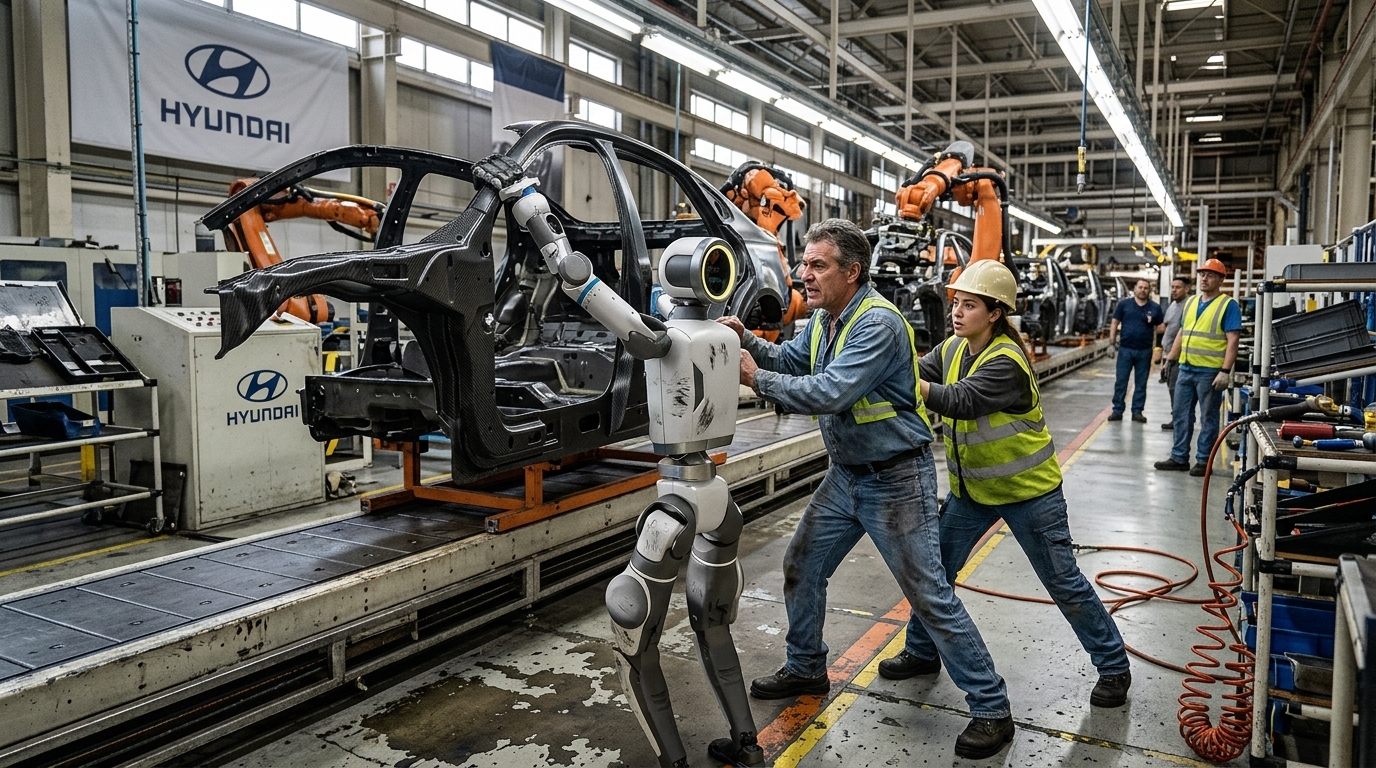
One of the thorniest issues highlighted in the report is the paradox of European legislation. Strict privacy protections and constraints on model training have led to a mass exodus of top European scientists to the US or Singapore. 'You cannot regulate the future if you aren't involved in creating it,' says an executive of a French startup that recently moved its headquarters to Delaware. Europe boasts some of the world's best universities but fails spectacularly at converting research into commercial success. These 'AI Doomers' warn that unless there is an immediate easing of bureaucratic hurdles for scale-ups, the continent will experience a new period of deindustrialization as AI automates sectors where Europe has traditionally dominated, such as automotive and pharmaceuticals.
A 'Marshall Plan' for Artificial Intelligence
The proposed solution is nothing less than a radical redesign of European economic policy. Advocates for a more dynamic approach are calling for a common European AI fund, worth hundreds of billions of euros, to finance the construction of European supercomputers and the development of open-source models that can compete with the proprietary software of Big Tech.
- Unification of the digital market to provide high-quality training data.
- Incentives for repatriating talent from Silicon Valley.
- Creation of 'innovation zones' with reduced regulation for experimental models.
The question is no longer whether Europe can catch up to the US—that ship may have already sailed—but whether it can secure a respectable third place that allows it to maintain its social cohesion and standard of living. If inertia continues, by 2030 Europe might just be a beautiful tourist destination running on algorithms designed elsewhere.