Medical science is standing on the precipice of one of the most radical transformations in its history. The concept of the "Digital Twin," originally born in aerospace and heavy industry to simulate machinery, is now being applied to the most complex organism on the planet: the human being. With the help of Artificial Intelligence (AI), scientists are not just creating static models, but dynamic, living digital replicas that can predict diseases before they even manifest.
The Anatomy of the Digital Self
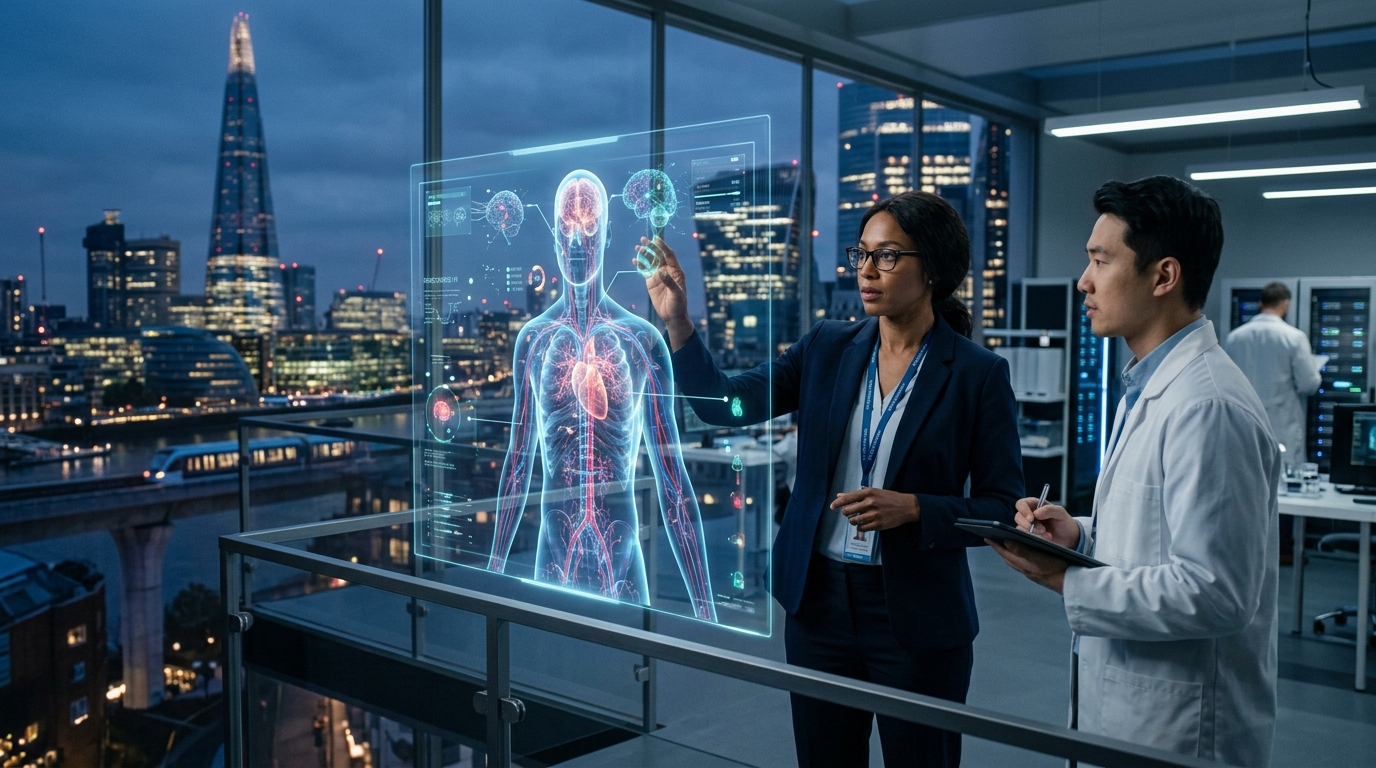
A digital twin in medicine is a virtual representation of a patient, fueled by a vast amount of real-time data. This includes an individual's genome, blood test results, data from wearables (such as heart rate and sleep quality), and environmental factors. Artificial Intelligence acts as the connective tissue, analyzing this information to create a model that reacts just like the actual organism.
Imagine a surgeon's ability to test a highly risky heart procedure on a digital replica of the patient before ever touching a scalpel. Or an oncologist's ability to simulate a specific tumor's reaction to ten different chemotherapy regimens, choosing the one with the fewest side effects. This is no longer a science fiction scenario but a growing reality in the world's leading research centers.
From "Reaction" to "Prevention"
Traditional medicine has always been reactive: we wait for symptoms to appear and then we intervene. Digital twins change this paradigm. Using predictive algorithms, AI can identify subtle changes in a person's biometrics that indicate the onset of a chronic condition, such as Type 2 diabetes or Alzheimer's disease, years before a clinical diagnosis.
- Personalized Pharmacology: Every organism metabolizes drugs differently. The digital twin allows for dosage adjustment with millimeter precision.
- Reduction of Clinical Trials: Pharmaceutical companies can use "virtual patients" to accelerate the approval of new drugs, reducing costs and the need for human and animal testing.
- Surgical Planning: 3D organ models allow for practice on complex anatomical peculiarities.
Challenges: The Price of Digital Immortality
Despite the immense potential, the adoption of digital twins brings a host of ethical and technical hurdles. First and foremost is data privacy. Who owns your digital twin? If an insurance company gains access to simulations showing you will develop a heart condition in ten years, could they raise your premiums or deny you coverage?
"Creating a digital twin is the ultimate form of self-knowledge, but also the ultimate form of exposure. We must ensure that our digital self is protected with the same reverence as our physical body."
Furthermore, there is the risk of a "digital divide." This technology is extremely expensive and requires cutting-edge infrastructure. There is a fear that precision medicine will become a privilege of the wealthy, widening global health inequalities. AI must be trained on diverse datasets to avoid algorithmic biases that could lead to misdiagnoses for specific ethnic groups.
The Future: A Symbiotic Relationship
As we move toward 2030, the integration of digital twins into healthcare systems will become more seamless. The challenge for the medical community and policymakers is to create a framework that encourages innovation while ensuring that human dignity remains at the center. The digital twin is not intended to replace the doctor, but to provide them with the "superpower" of foresight, transforming medicine from an art of probabilities into a science of certainty.