For decades, being a gamer meant being surrounded by stuff. Consoles, controllers, cables, and, above all, stacks of plastic cases containing the promise of a new adventure. The ritual of going to the store, peeling off the cellophane, and inserting the disc into the console was an integral part of the culture. However, as we move through the second half of the 2020s, this image looks more and more like a nostalgic memory. The physical disc isn't just dying; it is being methodically phased out by an industry seeking absolute control over distribution.
The Illusion of Ownership in the Digital Age
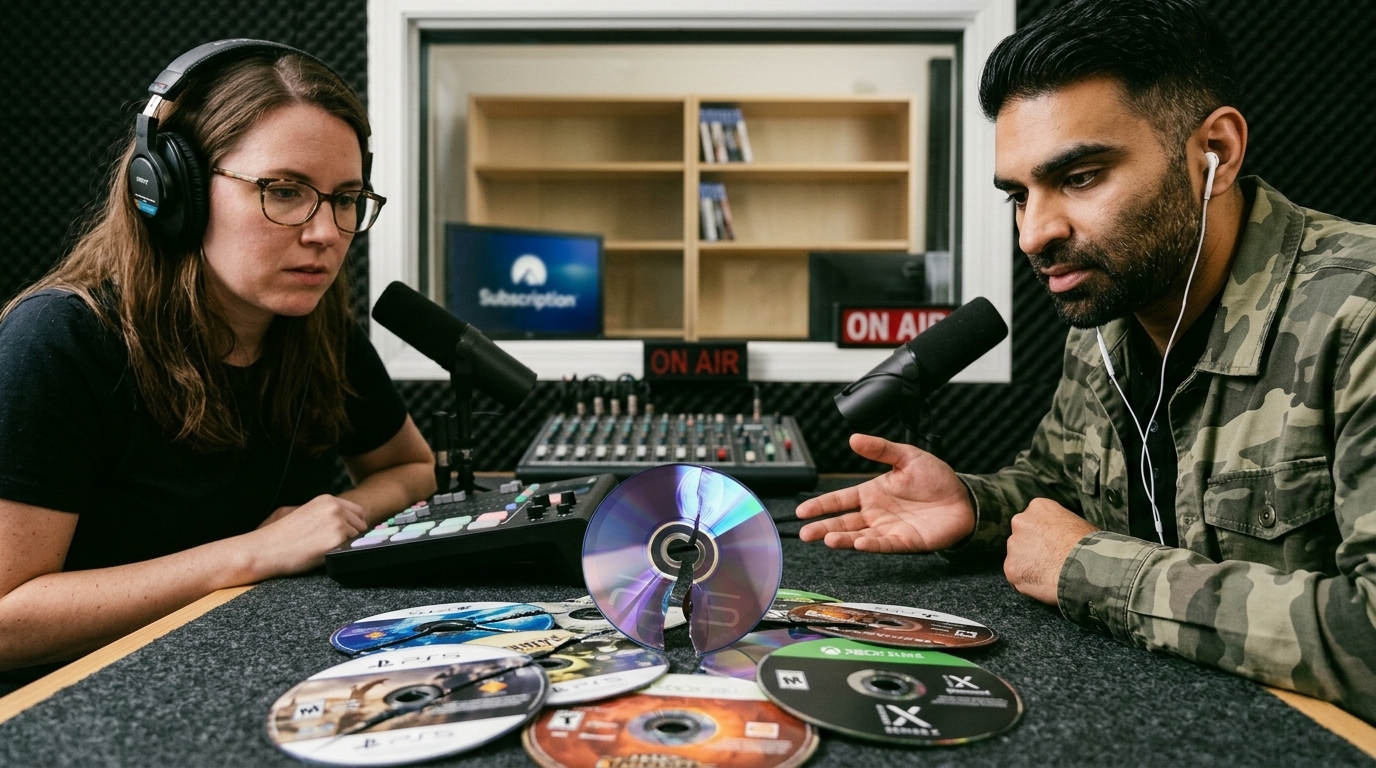
The primary argument for physical media has always been ownership. When you buy a disc, you have a tangible object that belongs to you. You can lend it, sell it, or keep it on your shelf forever. In the digital world, this freedom is vanishing. As recently discussed on the Vergecast, the shift to digital storefronts (Steam, PlayStation Store, Xbox Marketplace) has transformed "buying" into a "license to use." Users don't own the game; they own the right to play it for as long as the platform allows.
This shift has profound consequences. When a company decides to delist a title due to expiring licenses (as seen with many Forza titles or Spec Ops: The Line), the digital buyer is often left stranded. If you don't have the game installed, you might never be able to download it again. The physical disc acted as a preservation guarantee, a "safety net" against the whims of corporate legal departments.
The Economic Model and the Death of Retail
Why are console manufacturers pushing so hard toward a digital future? The answer is simple: profit margins. Producing, packaging, and shipping a disc costs money. Furthermore, the disc enables the existence of the used game market. Companies like GameStop built empires on the fact that players could trade in their old games. For Sony and Microsoft, every used game sold is a lost sale.
- Elimination of logistics and manufacturing costs.
- Removal of competition from the second-hand market.
- Direct access to user data and purchasing habits.
- Locking users into closed ecosystems (walled gardens).
With the release of disc-less consoles like the Xbox Series S and the digital version of the PlayStation 5, companies removed choice from the consumer. The convenience of "press a button and play" won the battle against physical possession, but the price is total dependence on the company's servers.
The Irony of the "Incomplete" Disc
Even for those who insist on physical media, reality has changed. Today, most discs don't even contain the full game. They serve merely as a "license key" that triggers the console to download 100GB of data from the internet. With "Day One Patches," the content on the disc is often an incomplete, buggy version of the game. This makes the concept of "preservation" via the disc almost moot for future gaming historians, as without access to update servers, the game may be unplayable.
"The industry no longer wants you to buy games. It wants you to subscribe to services. The disc is the last barrier between you and the Netflix-model for gaming."
The Future: Collectible Luxury or Digital Oblivion?
Will the disc disappear entirely? It will likely follow the path of vinyl in music. It will become a luxury product for collectors, featuring special editions and high price tags. Major releases (AAA titles) will gradually become digital-only, while smaller companies and indie creators will use physical media as a marketing tool for hardcore fans. The problem remains: in a world without discs, who guarantees that the games we love today will be available in twenty years? Digital oblivion is the greatest threat to the cultural heritage of video games.