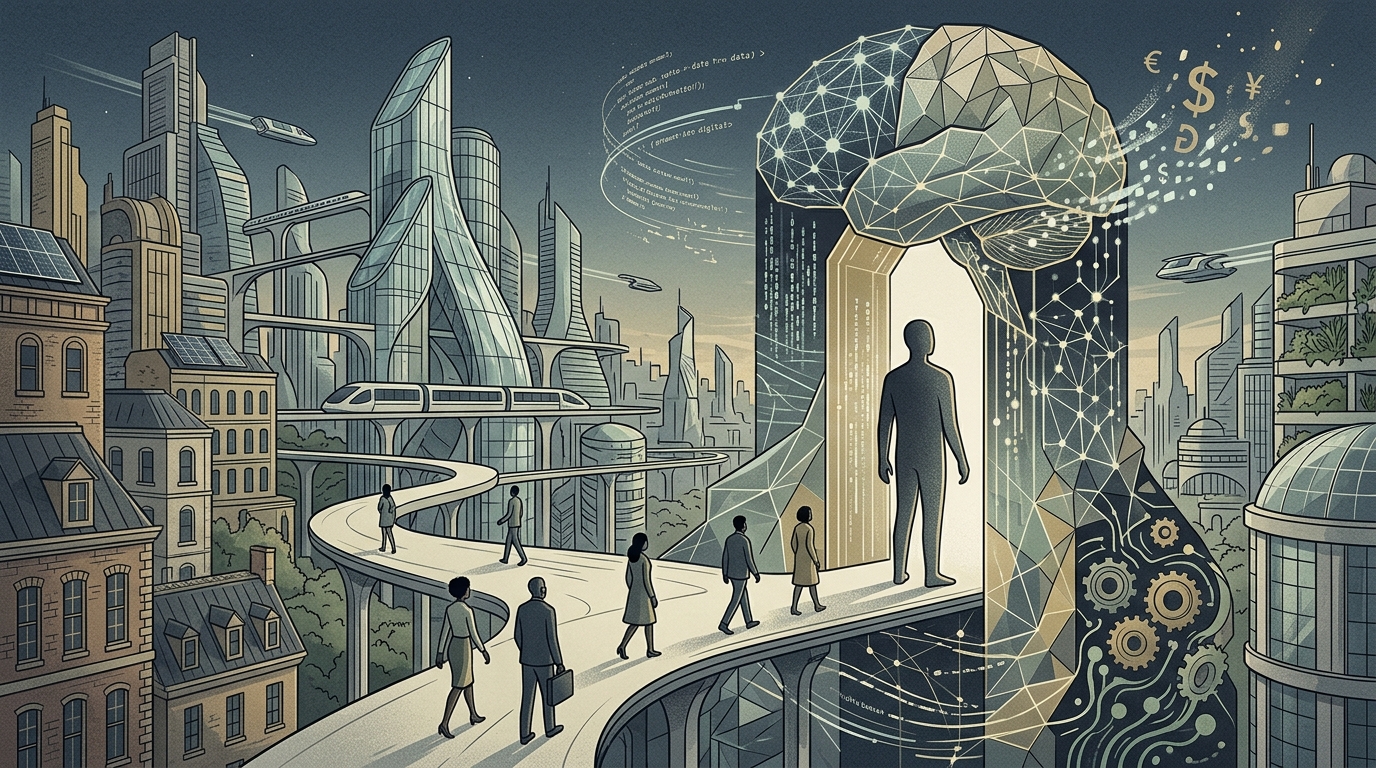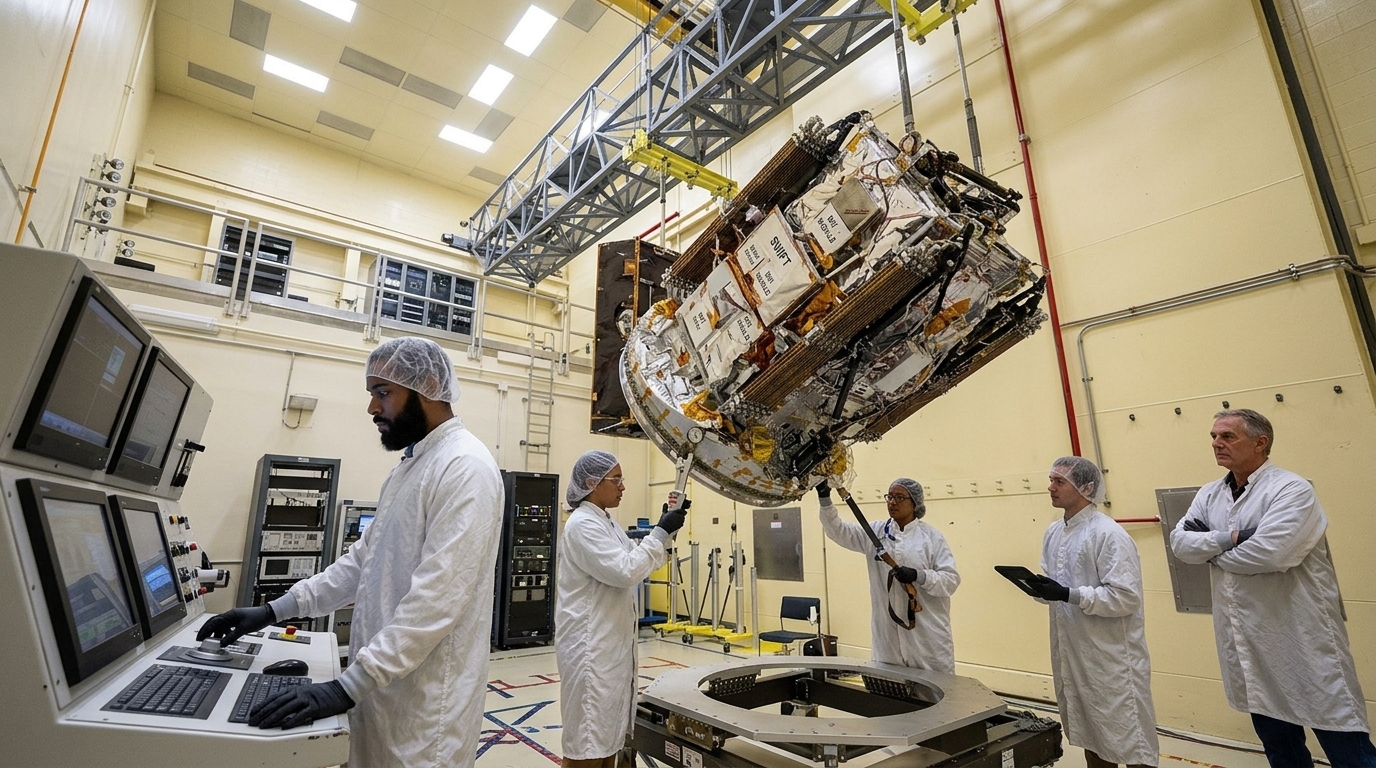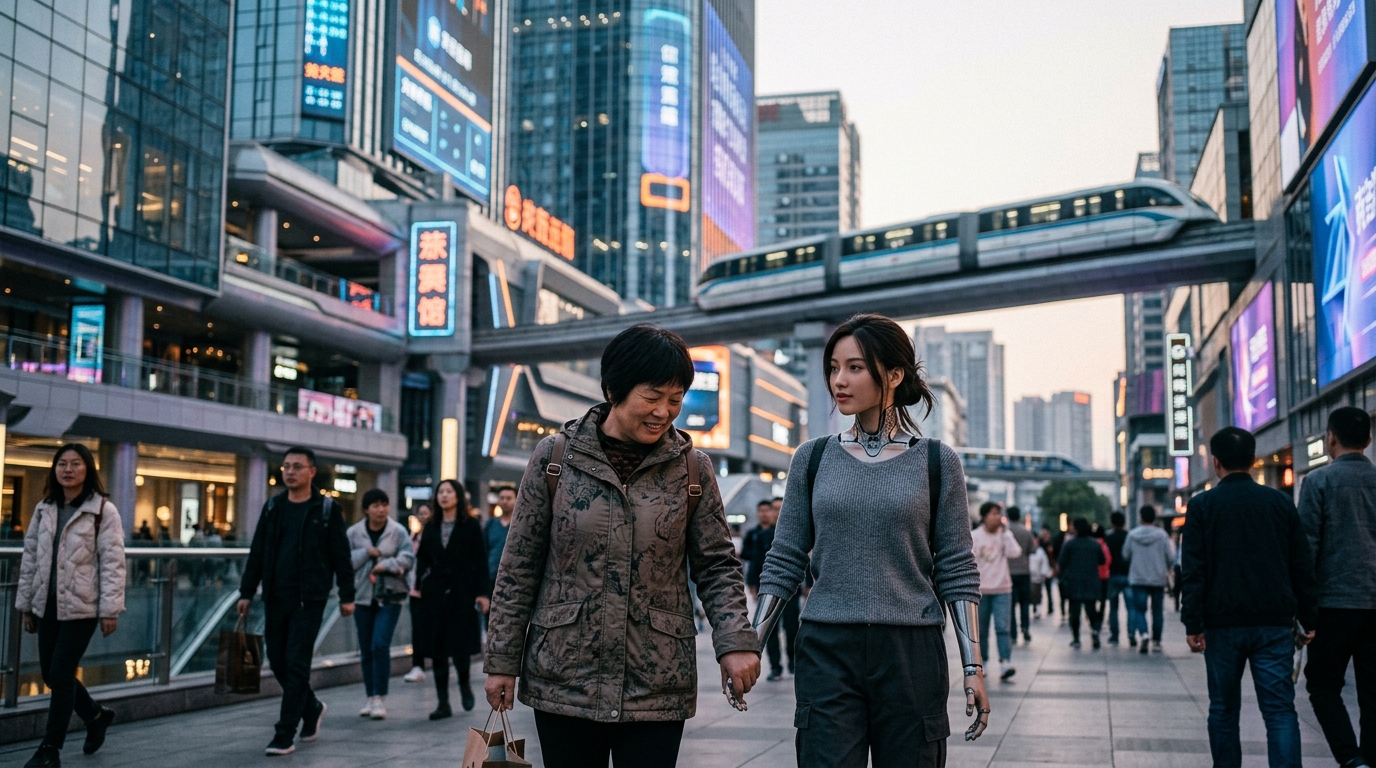
In the coastal city of Dalian, Northeast China, the future doesn't just look like a machine; it looks like us. Ex-Robots, a firm at the cutting edge of Chinese robotics, has recently unveiled a new generation of humanoids that go beyond mere task execution. They are promising something far more profound and potentially unsettling: emotional fulfillment. Featuring silicone skin that breathes, micro-expressions that convey empathy, and software branded as 'always loyal,' these androids signal a new era in human-machine interaction.
Engineering Empathy: Beyond the Uncanny Valley
Constructing a hyper-realistic robot is as much an art form as it is a feat of engineering. At the Ex-Robots factory, visitors are greeted by rows of silicone heads waiting to be mounted onto titanium and carbon-fiber skeletons. The process involves high-precision actuators that allow the robot's face to replicate dozens of human expressions—from a subtle smirk or a wink to look of profound sadness or surprise.
However, the real revolution lies in the 'brain.' By integrating Large Language Models (LLMs) similar to GPT-4, but specifically fine-tuned for emotional intelligence, these robots can conduct real-time conversations, recognize the owner's vocal tone, and adjust their behavioral patterns accordingly. The promise of 'absolute loyalty' is not just a marketing slogan; it is a programmed commitment. The robot is designed to remain a constant, non-judgmental companion, eliminating the friction often found in human relationships.
The Loneliness Economy and Demographic Shifts
Why is China investing so heavily in this specific niche? The answer lies in the data. China is facing a rapid demographic shift, characterized by an aging population and a growing loneliness crisis in its sprawling megacities. With millions of seniors living alone and younger generations delaying marriage or opting out of traditional family structures, the demand for 'artificial companionship' is skyrocketing.
- Elderly Care: Robots that can remind patients to take medication, provide conversation, and monitor health vitals 24/7.
- Mental Health: Digital companions that offer relief from anxiety and isolation without the risk of social rejection.
- Education: Interactive tutors that adapt to a student's learning pace with infinite patience and personalized feedback.
Ex-Robots argues that their products will fill the void left by modern social alienation. Yet, sociologists warn that replacing human bonds with programmed devotion could lead to a further atrophy of our social skills and a retreat from the complexities of real-world interaction.
The Ethics of Programmed Devotion
The concept of 'loyalty' in an object is ontologically paradoxical. Can something without free will truly be considered loyal? Critics argue that these robots offer a dangerous illusion of intimacy. Unlike humans, who have their own needs, desires, and moods, the robot is designed to be a perfect mirror of the user's requirements.
"If a companion can never say 'no,' it isn't a relationship; it's a sophisticated form of narcissism," notes a prominent tech ethicist.
Furthermore, the 'Uncanny Valley' remains a significant hurdle. Despite impressive progress, the sight of a robot that looks almost—but not quite—human often triggers feelings of revulsion or unease. Ex-Robots is attempting to bridge this gap by refining skin textures and ocular movements, but the fundamental question remains: do we truly want our homes inhabited by mechanical replicas of ourselves?
Global Robotics Race: Beijing's Strategic Ambition
Beyond the social implications, the development of these robots is part of China's broader strategic goal to dominate the global robotics market by 2030. Supported by state initiatives, companies like Ex-Robots and Unitree are competing directly with Western giants like Elon Musk's Tesla (Optimus) and Boston Dynamics. The ability to mass-produce humanoids at a lower cost could radically transform not only domestic life but also the service industry, hospitality, and customer relations.
As we move through 2026, the image of a robot greeting us at home with a 'warm' smile is becoming less of a sci-fi trope and more of a commercial reality. The challenge for humanity will be to ensure that, in our quest to cure loneliness through machines, we do not lose the capacity to connect authentically with one another.