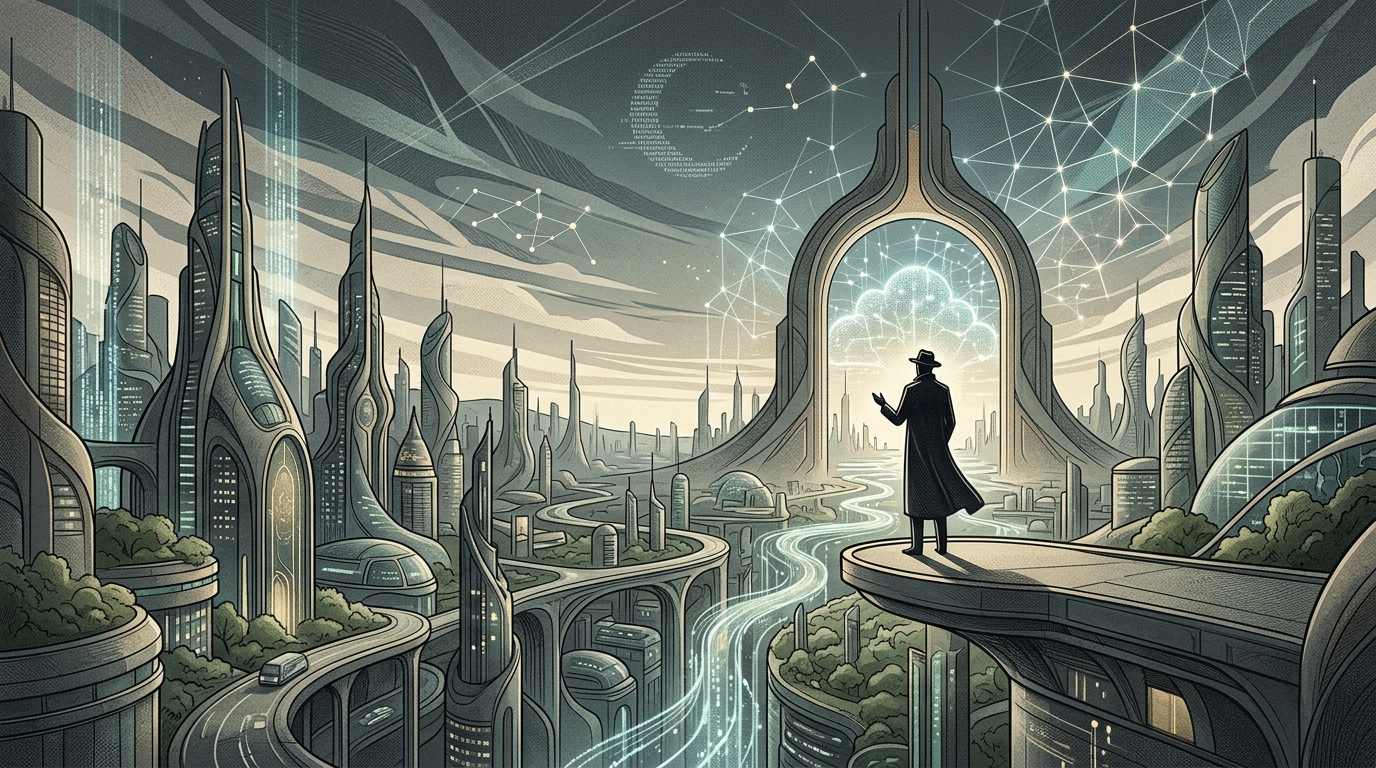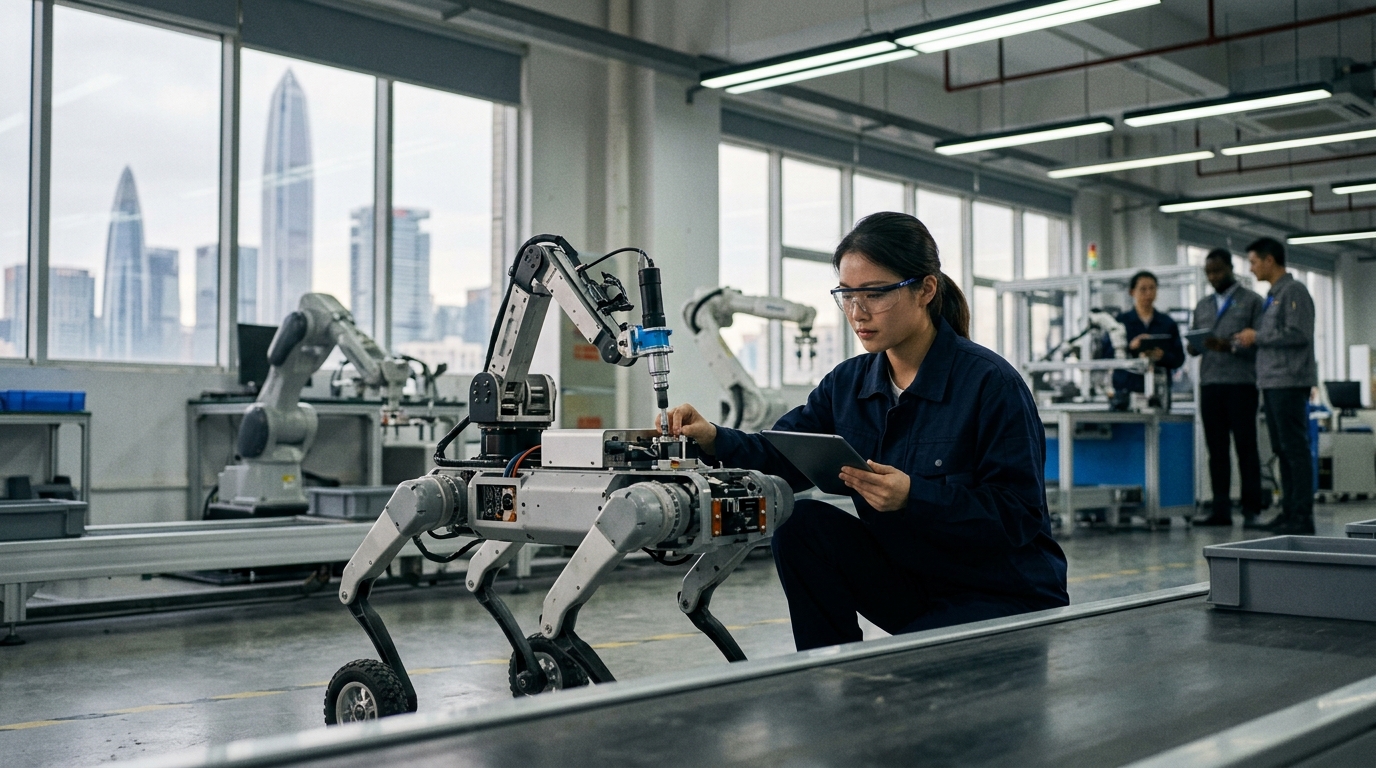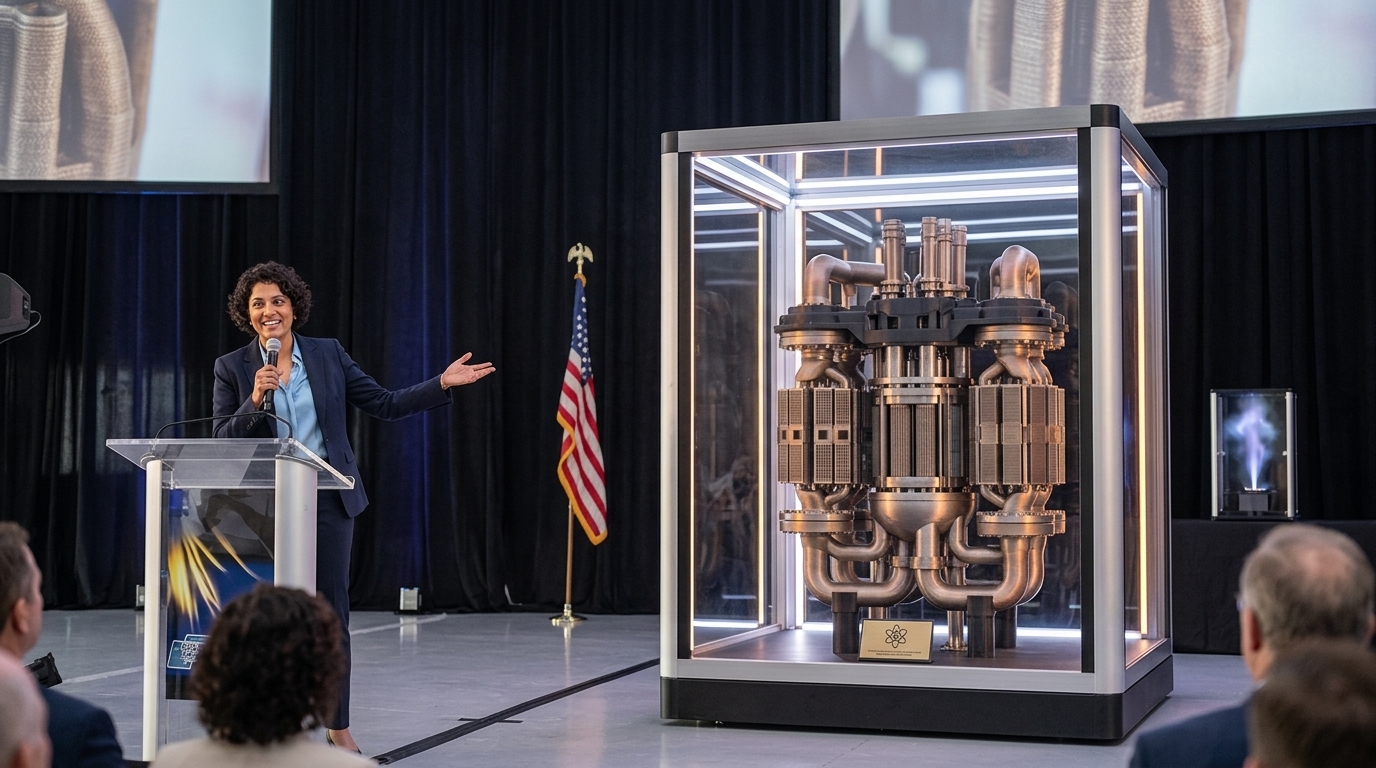
In an era where the global community is desperately seeking solutions to the climate crisis and energy security, technology is providing an answer that sounds like something out of a science fiction novel. The American company AMPERA (Advanced Modular Power and Energy Research Applications) has announced the successful creation of the world's first nuclear reactor unit manufactured using 3D printing (Additive Manufacturing). This specific unit, designed to produce up to 30 megawatts (MW) of electrical power, is not just a technological milestone but a fundamental shift in how we perceive the construction and deployment of nuclear infrastructure.
The Technology Behind 'Printing' Energy
Traditional nuclear reactor construction is a process that typically takes decades, costs billions of dollars, and involves incredibly complex supply chains. Components must be forged in massive industrial facilities, transported via specialized means, and assembled with surgical precision on-site. AMPERA is disrupting this model by leveraging Additive Manufacturing. Using advanced materials such as Silicon Carbide, the company is able to 'print' the reactor core and critical heat exchange components.
Silicon Carbide is a material exceptionally resistant to extreme temperatures and corrosion, making it ideal for the hostile environment of a nuclear reactor. However, machining it with traditional methods is nearly impossible due to its hardness. 3D printing allows for the creation of complex geometries that optimize coolant flow and heat transfer—designs that would be unthinkable using classical casting or forging techniques.
"We are not just printing metals and ceramics. We are printing the future of energy autonomy," a company executive stated during the unveiling ceremony.
Micro-Reactors: The Solution for Decentralized Power
AMPERA’s reactor belongs to the category of Micro-Modular Reactors (MMRs). With a 30MW capacity, it can power approximately 30,000 homes or large-scale industrial facilities, such as AI data centers and military bases. The significance of this scale is immense. Instead of massive power plants requiring connection to a high-voltage central grid, these reactors can be deployed near the point of consumption.
- Manufacturing Speed: Production time is reduced from years to months.
- Cost Reduction: Eliminating massive construction sites drastically lowers capital expenditure.
- Safety: The design incorporates passive safety systems that require no human intervention or electricity to shut down in an emergency.
This flexibility allows for the deployment of nuclear energy in remote areas or island chains where transporting fossil fuels is expensive and environmentally damaging. For countries with complex geography, such technology could theoretically solve energy sufficiency issues, although the regulatory framework remains the primary hurdle.
Challenges and the Regulatory Landscape
Despite the excitement, the road to commercialization is not without obstacles. The nuclear industry is the most strictly regulated in the world. The U.S. Nuclear Regulatory Commission (NRC) must certify not only the reactor design but also the 3D printing process itself. Questions persist regarding the long-term durability of printed materials under continuous neutron bombardment, a factor that requires years of testing and empirical data.
Furthermore, the issue of nuclear waste remains at the forefront of public debate. While MMRs produce less waste per unit of power and utilize fuel more efficiently, waste management requires a national strategy that many countries still lack. AMPERA claims its reactor is designed to operate for 20 years without refueling, which significantly reduces handling risks and proliferation concerns.
Conclusion: A New Era
AMPERA’s move signals the beginning of "Nuclear Renaissance 2.0." By merging digital manufacturing with nuclear physics, the company promises to make clean, baseload energy accessible and affordable. If 3D printing revolutionized aerospace and medicine, its application in energy might be the key to reaching Net Zero goals by 2050. The question is no longer whether the technology works, but how quickly societies and regulators can adapt to this new reality.