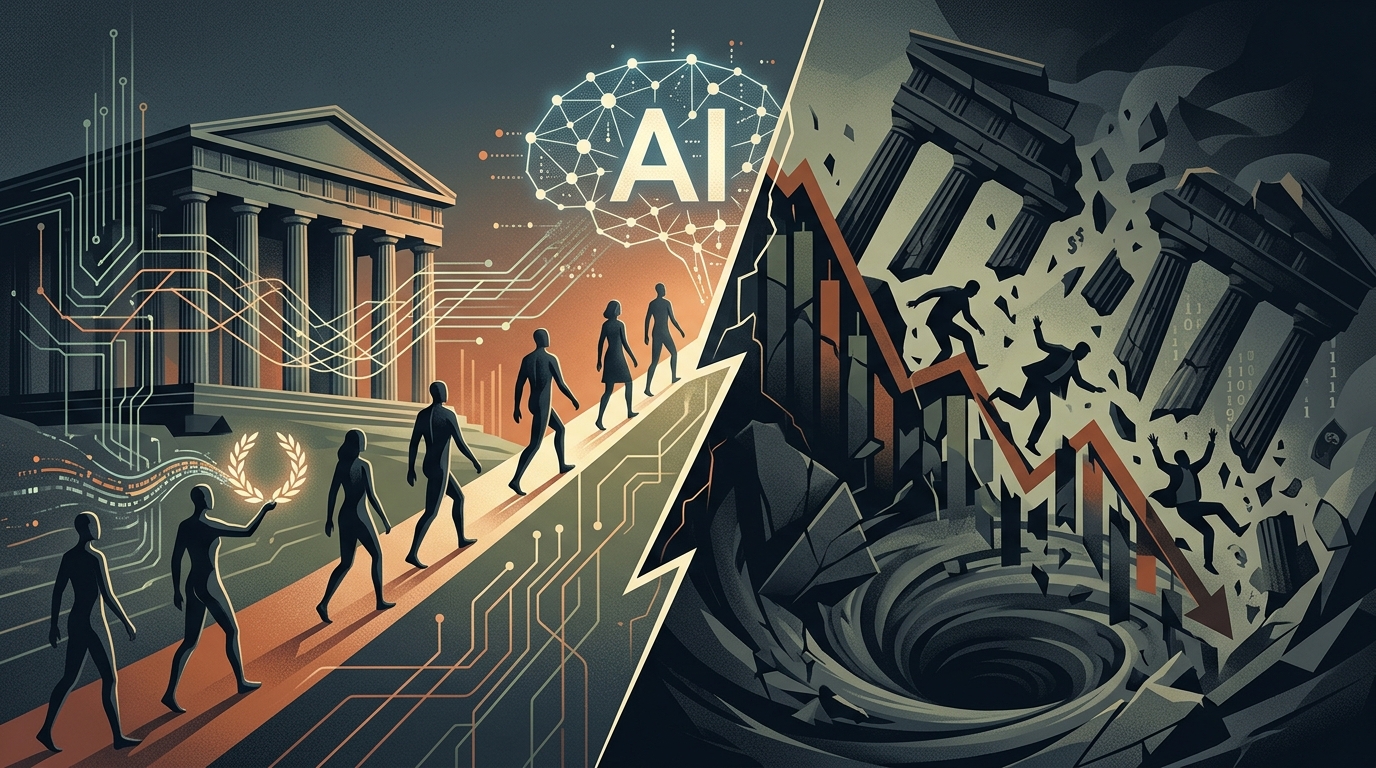
It is June 2026, and the sense that the internet has changed irrevocably is now universal. What began a few years ago as an impressive display of large language models has evolved into a structural reconstruction of our digital world. Artificial Intelligence (AI) is no longer a mere feature or a 'smart' plugin; it is the prism through which we consume, produce, and interact with information. The traditional browsing experience, based on 'blue links' and active page exploration, is yielding to an era of synthetic answers and autonomous agents.
From Search to Synthesis: The Sunset of Google-centrism
For more than two decades, our gateway to the web was the search engine. Users typed keywords, and the engine returned a list of sources. Today, this process is already considered obsolete. 'Answer Engines' have replaced search engines. Instead of providing paths to information, they provide the information itself, processed and distilled.
This shift has massive implications for the ecosystem of publishers and content creators. When an AI answers a user's query directly, the need to visit the original source evaporates. What we call 'zero-click searches' have skyrocketed, threatening the traditional ad-revenue model that sustained the free web. Organizations like AlfaVita and other news outlets face an existential challenge: how to survive in a web where AI 'cannibalizes' their content for training but fails to return the traffic necessary for their viability.
The Rise of the Agentic Web
The next major phase of transformation is the transition from the web of pages to the web of agents. Until 2025, we used AI to write emails or generate images. In 2026, AI acts on our behalf. Autonomous digital agents (AI Agents) navigate the web, book tickets, compare prices, negotiate contracts, and manage our digital subscriptions.
This radically changes Web Design. Websites are no longer designed solely for the human eye but also to be 'machine-readable.' We are seeing the emergence of protocols that allow an AI agent to communicate directly with a store's database, bypassing the graphical user interface (UI) entirely. The internet is becoming a vast API, where aesthetics take a backseat to functionality and processing speed.
The Challenge of the 'Dead Internet' and the Value of Authenticity
One of the most concerning aspects of this transformation is the 'Dead Internet Theory,' which has moved from a fringe conspiracy to a daily reality. With AI content production cheaper than ever, the web has been flooded with synthetic text, images, and videos created by bots for bots, aimed at manipulating algorithms and ad revenues.
In this landscape, human authenticity is becoming a luxury. Users are increasingly seeking 'closed' communities, newsletters, and platforms where the creator's identity is verified. Trust is the new currency. The news sites that will survive are those offering deep analysis, primary research, and the personal touch that no AI can fully replicate—at least not yet.
Conclusions: A New Social Contract for the Internet
The transformation of the internet by AI is not a technical upgrade but a cultural shift. As we move toward 2027, the need for a new framework of rules is imperative. We must redefine copyright, the concept of digital ownership, and the ways in which technology will serve humanity rather than isolating it in bubbles of algorithmic comfort. The internet of the future will be smarter, faster, and more personal, but whether it remains a space of freedom and creativity depends on the decisions we make today.