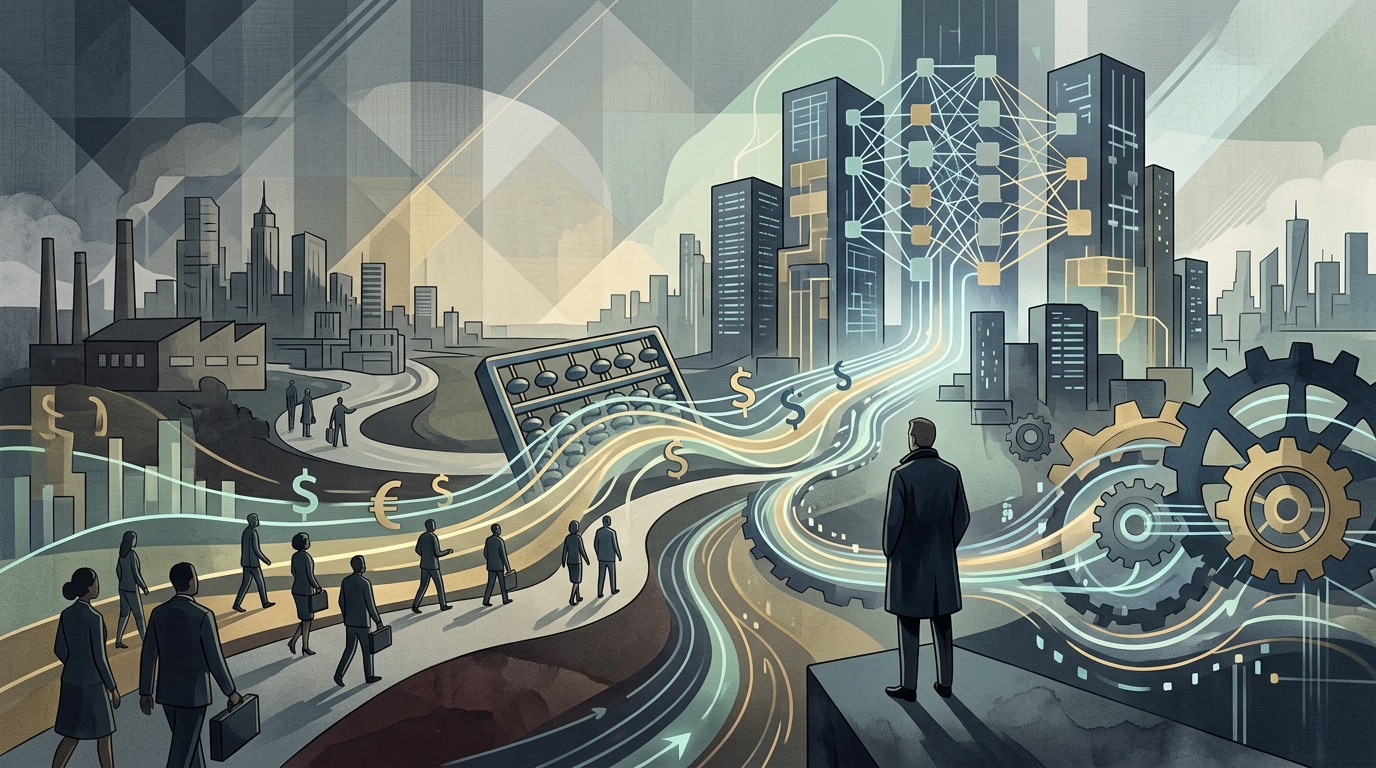
Education stands at a historic crossroads. From the era of the Socratic method to the invention of the printing press and the advent of the internet, every technological leap has sparked fears of the teacher's obsolescence. Today, with the explosive rise of Generative AI, the conversation is no longer just about tools, but about the very essence of teaching. A recent analysis highlighted by Vietnam.vn brings back the pivotal question: Can an algorithm truly replace the human touch?
The Teacher as Mentor vs. AI as Assistant
The fundamental misunderstanding in the debate over replacement lies in the definition of teaching. If education were merely the transfer of information from a transmitter to a receiver, then Artificial Intelligence would have already won. AI systems can process vast amounts of data, answer questions in fractions of a second, and tailor content to each student's pace. However, education (paideia) is something much deeper than information.
The true role of the educator is inspiration, moral guidance, and emotional support. A teacher recognizes when a student is frustrated, when they need a break, or when a personal struggle is hindering their learning. AI lacks empathy. It can simulate understanding, but it cannot experience it. As pedagogical experts note, learning is a social process built on trust and human connection—elements that no neural network can authentically replicate.
The Personalized Learning Revolution
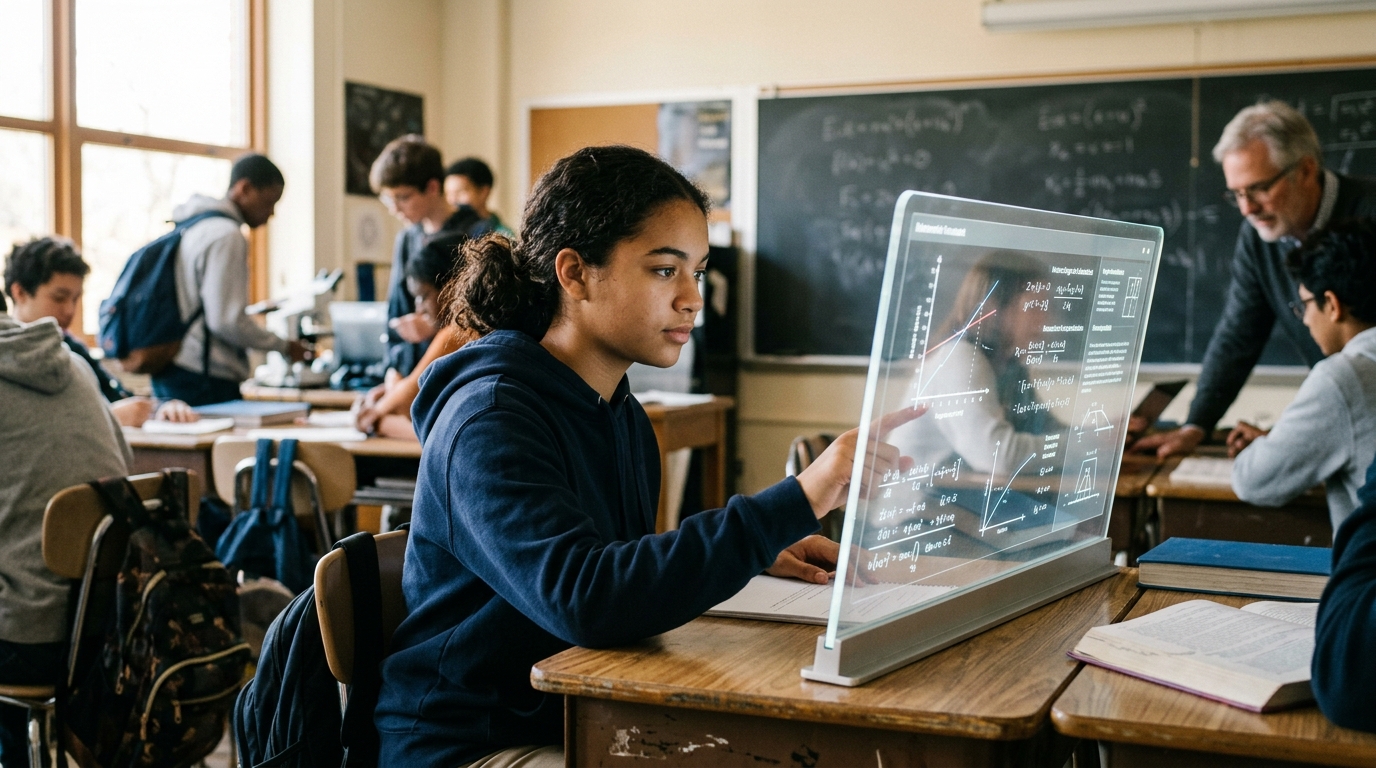
Despite the concerns, AI offers a unique opportunity: solving the problem of "teaching to the middle." In a traditional classroom, an educator is often forced to teach in a way that addresses the majority, frequently leaving behind slower learners or limiting the more advanced ones. AI acts as a personal "co-pilot" for every student.
- Adaptive Learning: Algorithms that identify knowledge gaps in real-time and offer targeted exercises.
- Reduced Administrative Burden: Automating grading and scheduling allows teachers to devote more time to meaningful interaction.
- Accessibility: Translation and text-to-speech tools that assist students with special needs or language barriers.
"AI will not replace teachers, but teachers who use AI will replace those who do not."
Ethical Dilemmas and the Risk of Automation
The adoption of AI in education is not without risks. The issue of ethics is central. Algorithms are trained on data that may contain biases, which can be reproduced in classrooms, reinforcing stereotypes. Furthermore, there is the risk of "digital isolation," where students interact more with screens than with classmates and teachers, damaging their social skills.
Another critical point is data privacy. The collection of information on children's learning behavior by private tech companies raises serious questions about who controls the future of education. In countries like Vietnam, where technological development is accelerating, the balance between innovation and the protection of student rights is more relevant than ever.
Conclusion: The Podium Evolves, It Does Not Vanish
The future of education is not a battle between human and machine, but a partnership. The 21st-century educator is transforming from a "source of knowledge" into an "orchestrator of learning." Artificial Intelligence will take over the repetitive and technical aspects, leaving humans with their most sacred role: the cultivation of critical thinking and character. Replacing the teacher with AI would mean admitting that education is a simple industrial process. However, as long as humanity seeks meaning and values, the teacher will remain the indispensable lighthouse in the classroom.