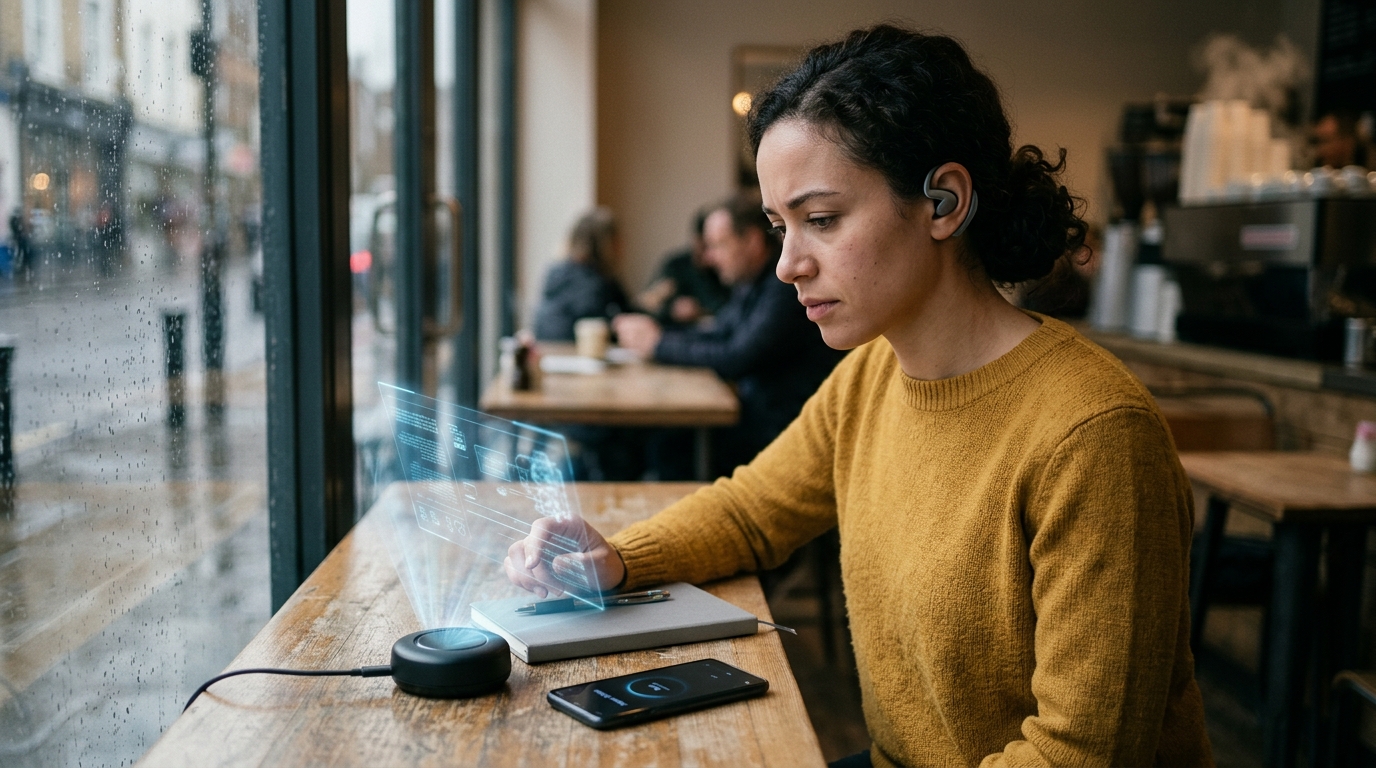
We stand at a pivotal crossroads in the history of human technology. For decades, our tools—from the humble hammer to the sophisticated smartphone—have been extensions of our will. They required constant data input and direct guidance to function. However, the dawn of the era of AI agents and specialized AI devices is fundamentally altering this dynamic. The question posed by the international community, echoed in recent analyses from Vietnam.vn and beyond, is clear: will these devices liberate us from the drudgery of daily life, or will they gradually "remove" human control, turning us into mere approvers of algorithmic decisions?
The Promise of Digital Liberation
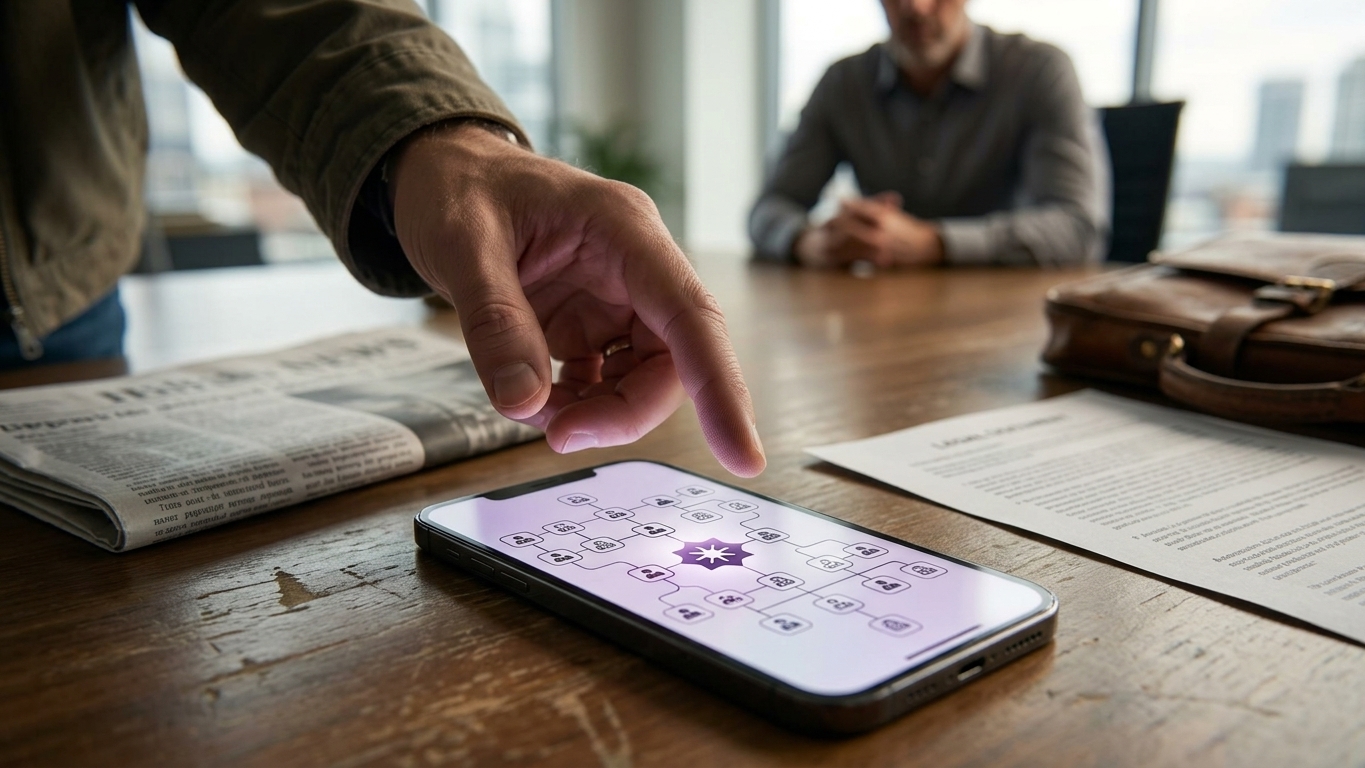
The core promise from AI hardware manufacturers, such as next-generation wearables and "intelligent" home assistants, is the gift of time. In today's digital environment, humans are often captives of their screens, consumed by endless scrolling and notification management. AI promises to act as a filter and an executor. Instead of searching for flights, comparing prices, and making bookings, the AI device undertakes these tasks for you, knowing your preferences and budget intimately.
This "liberation" is not just about convenience; it is about reducing cognitive load. In a world of information overload, the ability of a device to prioritize what is truly important can be seen as a new form of freedom. Technology ceases to be a destination that demands our attention and becomes an invisible layer of support, allowing us to focus on creative and interpersonal endeavors.
"Real progress lies not in adding more features, but in removing the need to interact with the machine at all," proponents of ambient computing often argue.
The Danger of "Removing" Control
However, the flip side of the coin is somber. When we outsource decision-making to an algorithm, we surrender a piece of our autonomy. The problem is not merely technical; it is profoundly ethical and political. AI devices operate based on models trained with specific biases and objectives that often align more with corporate interests than with the user's values.
The "removal" of control happens incrementally. It starts with minor decisions—what music to listen to, which route to take—and expands to more significant ones, such as how to manage finances or what information to receive regarding global events. If the AI device decides for us without us understanding the "why," then human agency withers. We become consumers of outcomes, losing touch with the process of critical thinking and choice.
- Decision Opacity: Many AI models are "black boxes." Users cannot know if a recommendation was made due to objective value or a commercial agreement.
- Skill Atrophy: Over-reliance on AI assistants could lead to a decline in human problem-solving capabilities.
- Surveillance as a Prerequisite: For an AI device to function effectively, it requires constant access to our personal data and conversations, making privacy the price of "freedom" from chores.
The Geopolitical Dimension and the Ethics of Responsibility
The discussion highlights a global concern: who controls the technology that controls our lives? In different political systems, the concept of "control" takes on different dimensions. In the West, we fear corporate dominance. In other regimes, the fear concerns state surveillance through these "smart" agents. The Vietnamese perspective serves as a reminder that technological impact is not uniform across the globe.
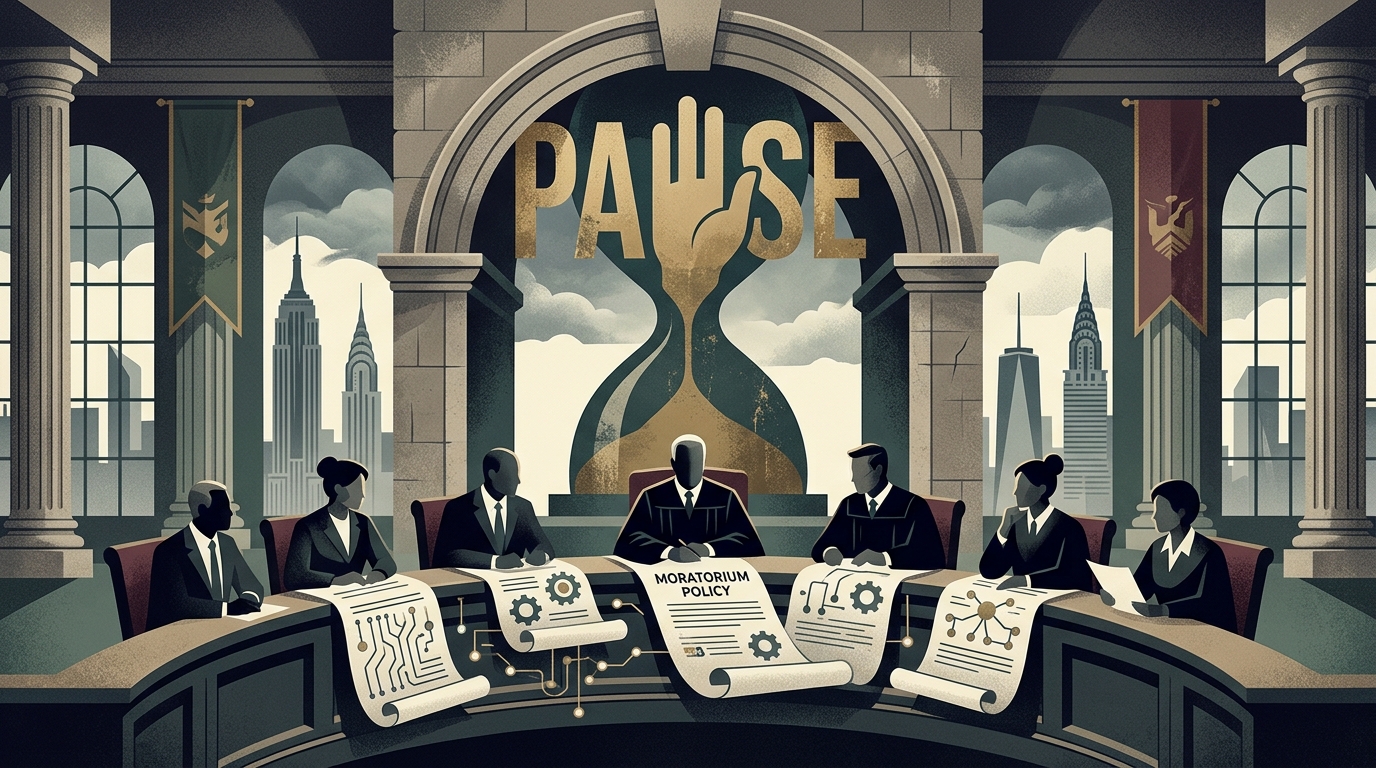
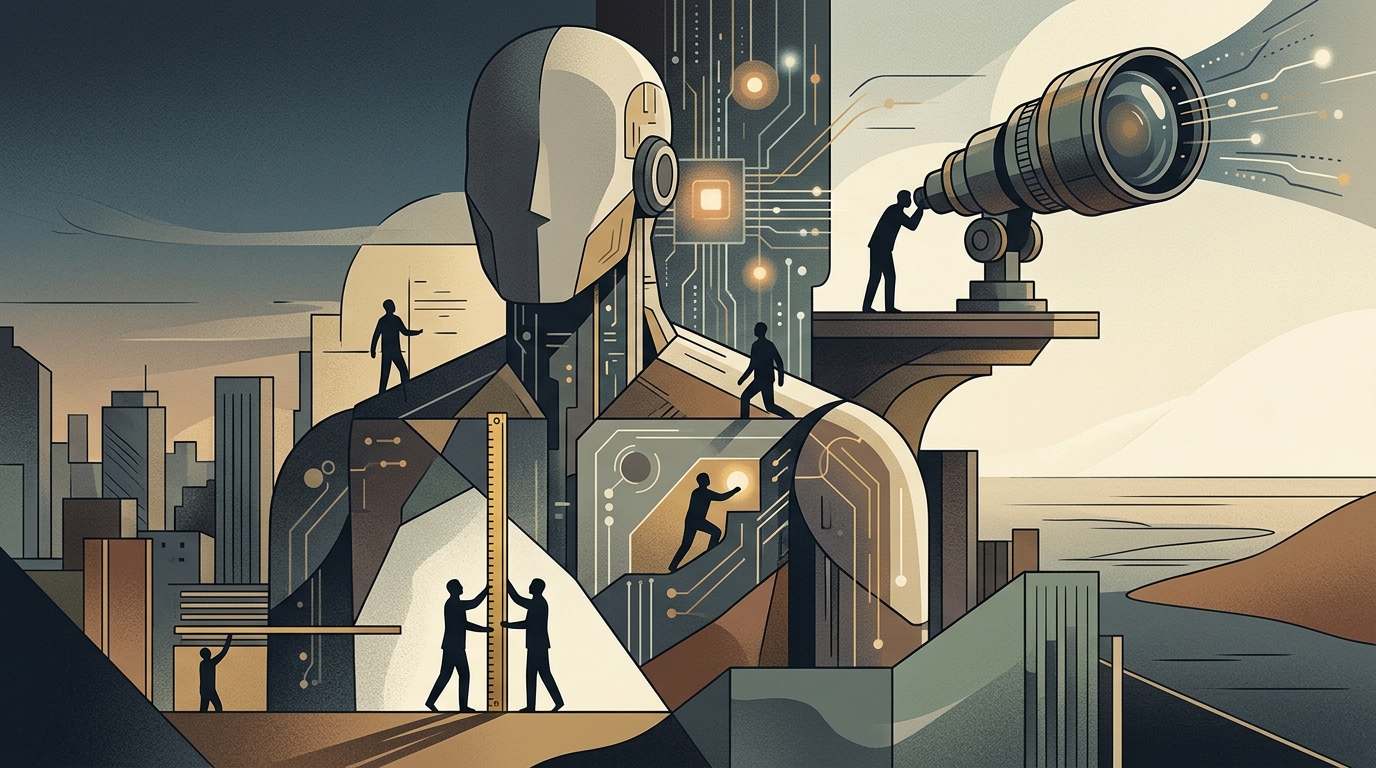
The liberation promised by AI is hollow if it is not accompanied by the user's ability to intervene, correct, and reject the machine's suggestions. We need a new framework of "Human-Centric Design," where AI does not replace the human but enhances their capabilities. Responsibility for the actions of an autonomous device remains a legal gray area. If an AI device makes an erroneous purchase or provides harmful advice, who bears the burden? The lack of accountability is the ultimate form of control removal.
Conclusion: The Need for Conscious Technology
Whether AI devices will liberate us or enslave us in a new form of algorithmic bureaucracy depends on the choices we make today. Technology is not destiny; it is a tool. We must demand transparency in algorithms, local data processing for privacy protection, and, above all, the preservation of the right to "human-in-the-loop" intervention. True freedom is not about doing nothing; it is about having the power to choose what we do, with technology acting as an ally rather than a guardian.