For decades, the prevailing view in the corporate world was that the humanities were a luxury with no practical impact on wealth creation. Philosophy, in particular, was treated as an insular pursuit, detached from market realities. However, 2026 finds tech giants—from Google and Microsoft to OpenAI and Anthropic—competing to hire PhDs in philosophy. The transition from code to consciousness is no longer a theoretical exercise but a business imperative.
The Alignment Crisis and the End of Innocence
The rapid development of Large Language Models (LLMs) and Generative AI has brought to the fore problems that software engineers are not trained to solve. The so-called 'alignment problem'—ensuring that AI goals coincide with human values—is essentially a deeply philosophical question. How do we define 'good'? How do we prioritize freedom of speech over protection from misinformation? These questions cannot be answered with binary code.
The philosophers being hired in Silicon Valley today do not sit in 'ivory towers.' They are actively involved in designing algorithms, helping to define the ethical parameters that govern machine decision-making. When a self-driving vehicle must choose between two unavoidable accidents, or when a chatbot must refuse an unethical command, the rules it follows are rooted in John Stuart Mill's utilitarianism or Immanuel Kant's deontology.
From Deontology to Practice: The Role of the 'Chief Ethics Officer'
The emergence of roles such as 'Chief Ethics Officer' or 'AI Ethicist' signals a structural shift. Companies are realizing that ethical gaps translate into legal risks and financial losses. Philosophers provide a framework of critical thinking that allows companies to anticipate the social impacts of their products before they are released.
- Bias mitigation analysis in training data.
- Formulating policies for privacy and digital sovereignty.
- Designing systems that promote human well-being instead of addiction.
'Technology without philosophy is blind, and philosophy without technology is powerless,' notes a leading ethicist at OpenAI, highlighting the need for a new synthesis of the two worlds.
The 'Ethics Washing' Phenomenon and the Challenge of Authenticity
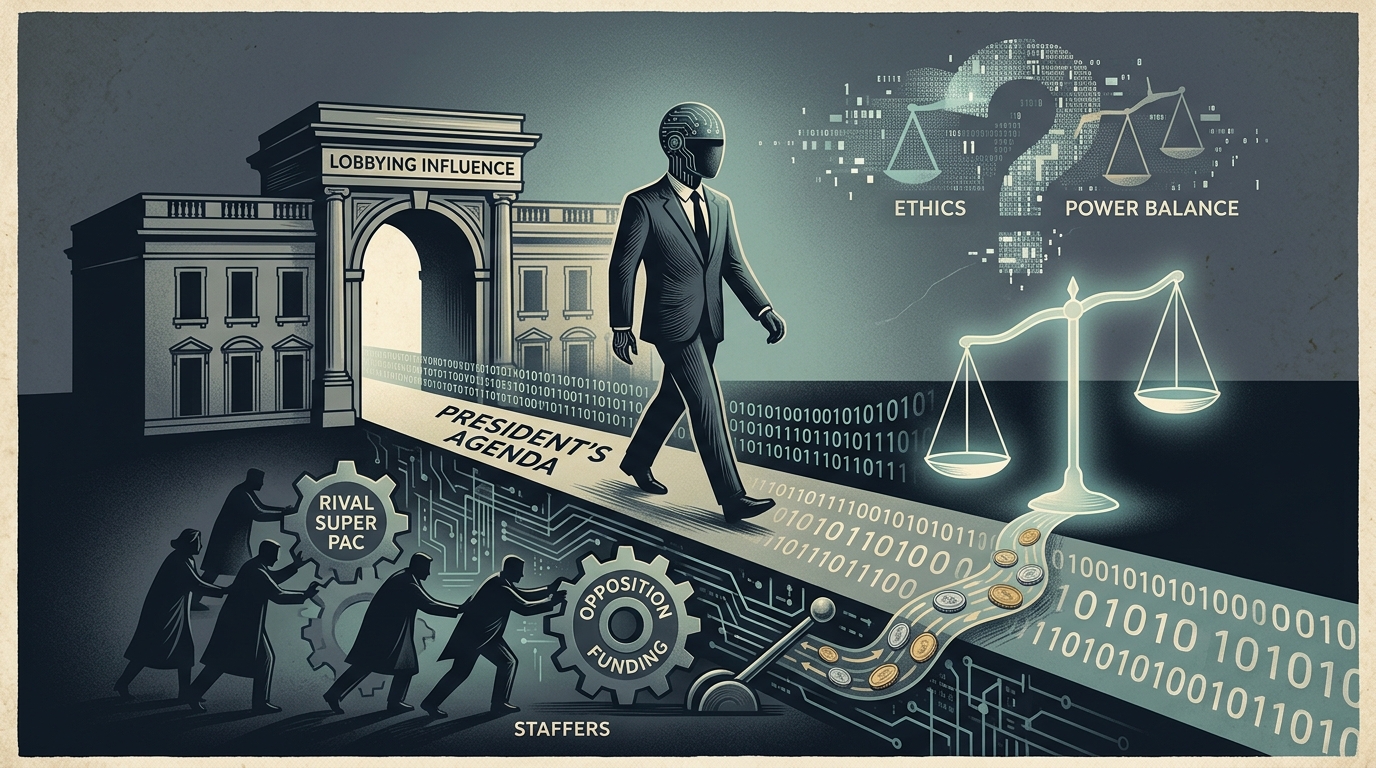
However, the shift toward philosophy is not without its critics. Many wonder if these hires represent a form of 'ethics washing'—an attempt by companies to improve their public image without making substantive changes to their business models. The conflict between profit maximization and ethical constraints is inevitable. A philosopher in a major tech company is often called upon to play the role of the 'voice of conscience' in an environment that pushes for speed and market dominance.
The real test for 'corporate philosophers' is their ability to influence strategic decision-making at the highest level. It is not enough to write codes of ethics that remain on paper; they must have the power to stop a product's launch if it is deemed dangerous to the social fabric. In the age of Artificial General Intelligence (AGI), philosophy is no longer a hobby for the few, but the last line of defense for humanity.