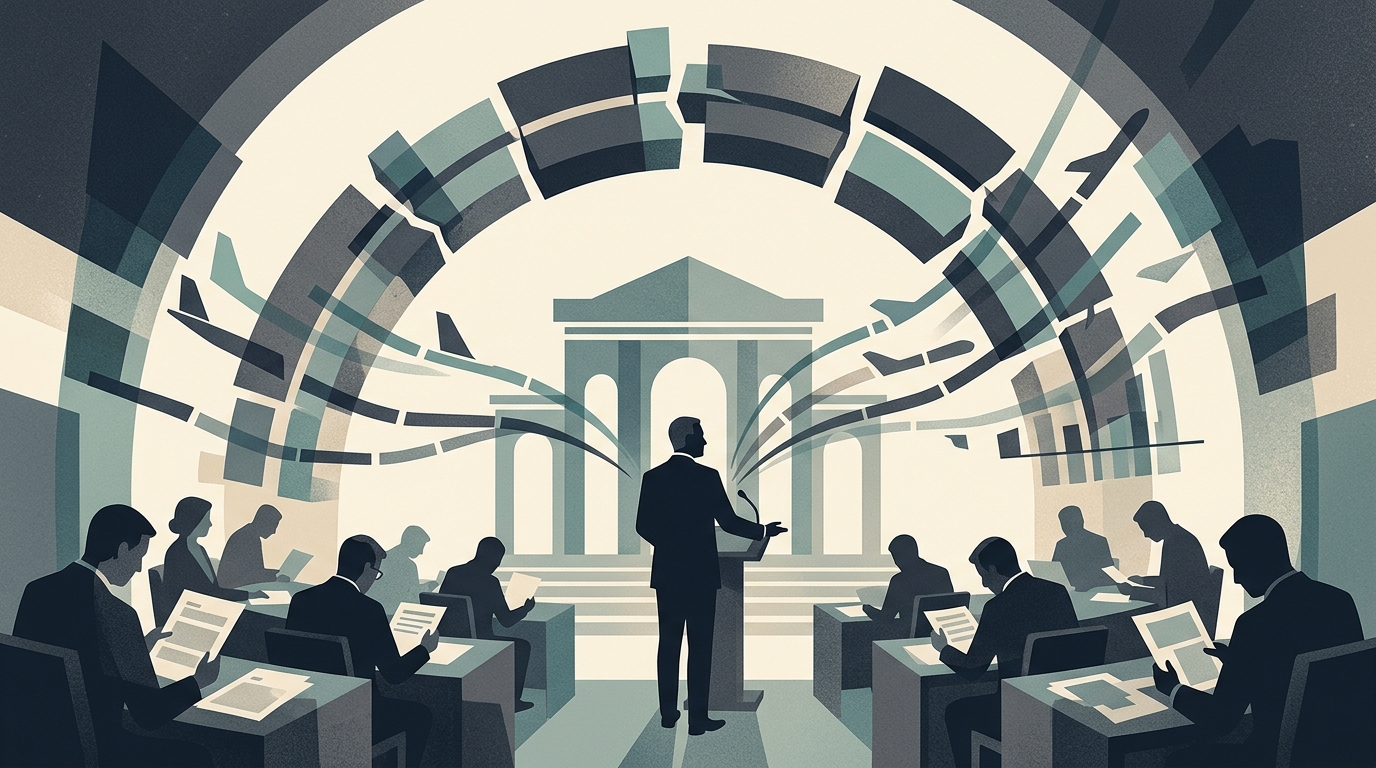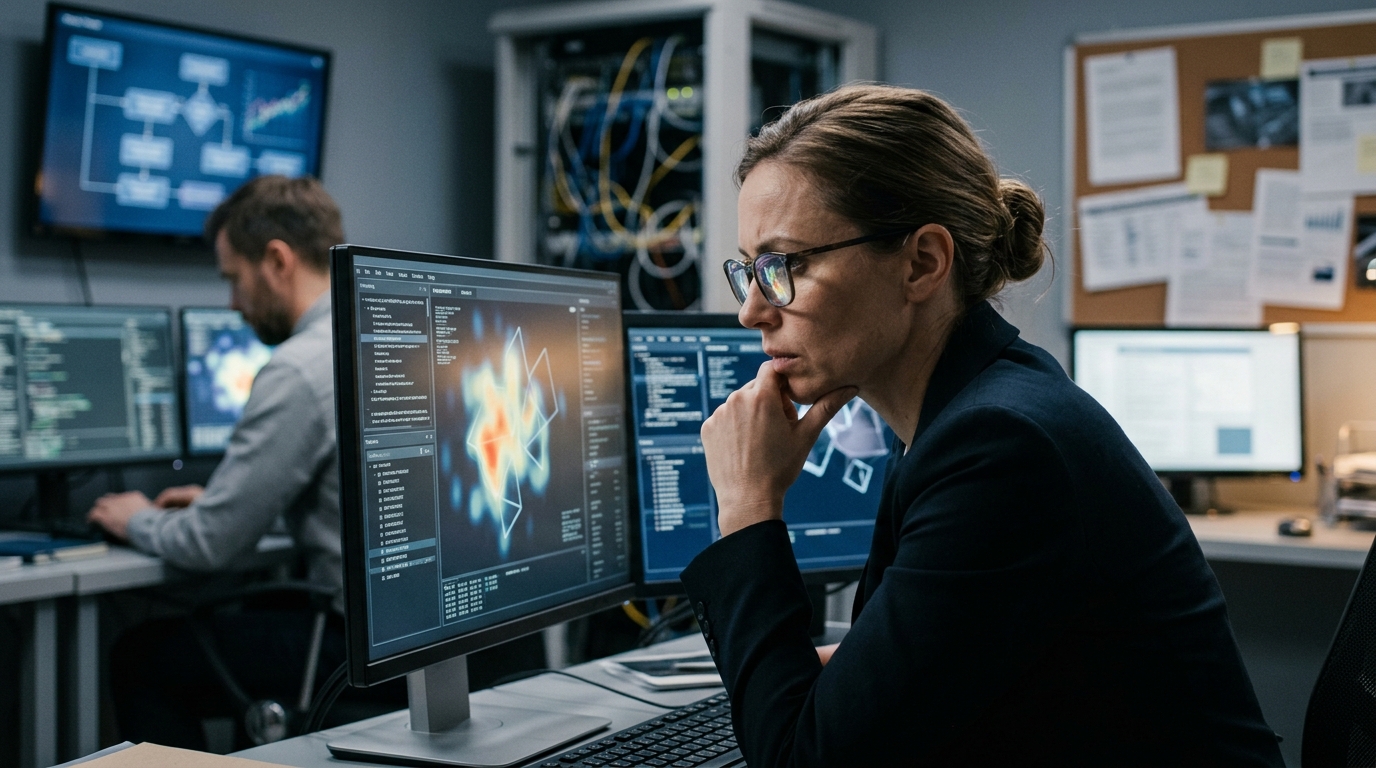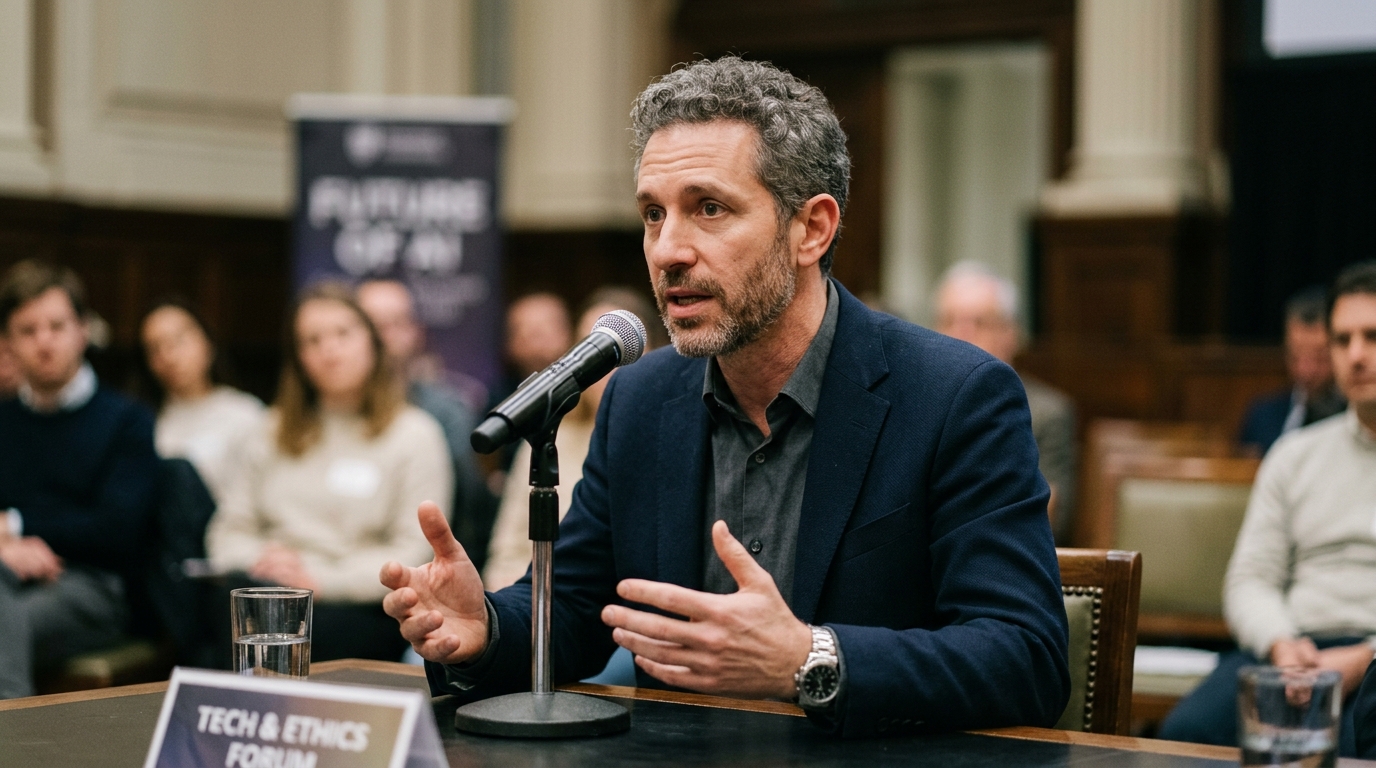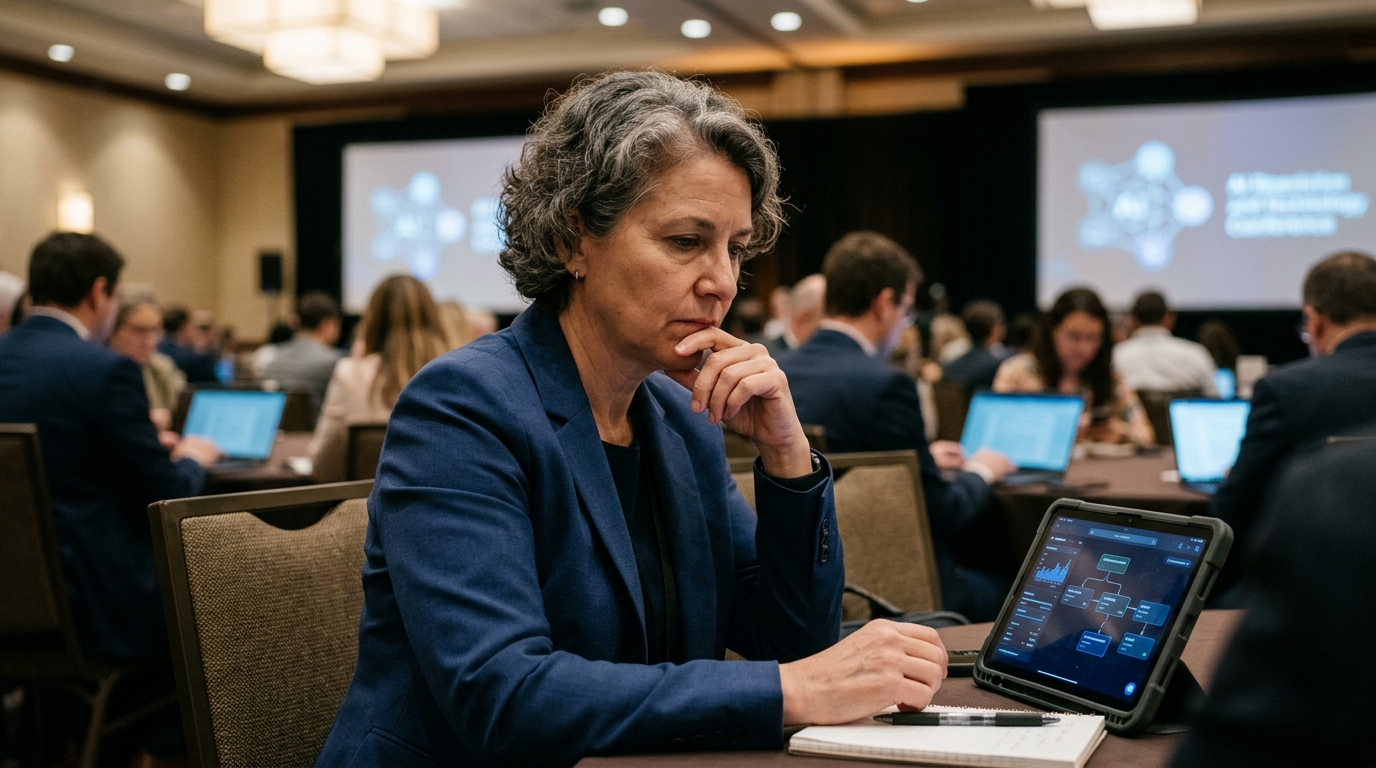
In the early months of 2026, Artificial Intelligence is no longer a tool we occasionally consult; it is an invisible partner residing in our devices, our workflows, and, increasingly, our very thoughts. The recent discourse sparked by the New York Times regarding the dangers of "outsourcing" our thinking to AI touches the core of modern existential anxiety. The question is not whether AI can think, but whether we, by surrendering the reins of our judgment, cease to do so ourselves.
The Trap of Cognitive Convenience
Human history is a saga of tool-making. From the wheel to the internet, we have always sought ways to alleviate our burdens. However, there is a fundamental distinction between outsourcing physical labor and outsourcing cognitive processing. When we allow a large language model to draft a message, analyze a complex problem, or navigate a moral dilemma, we aren't just saving time; we are divesting our "cognitive capital."
Cognitive offloading has profound side effects. Research increasingly suggests that over-reliance on AI leads to a form of "intellectual atrophy." Much like muscles wither without exercise, the neural pathways responsible for critical analysis and creative synthesis weaken when our primary mode of engagement is issuing prompts and accepting pre-packaged outputs. Thinking is not a consumable product; it is a transformative process that defines the self.
The Homogenization of the Human Experience
One of the most insidious risks of "AI-mediated thinking" is the gradual homogenization of ideas. AI models are trained on vast datasets, aiming for the statistical "mean" of human knowledge. When we all use the same tools to process reality, our perspectives begin to converge. Originality, eccentricity, and radical dissent—the very catalysts of cultural evolution—are sacrificed on the altar of probabilistic outputs.
Furthermore, AI lacks the "context" of lived experience. It can synthesize words that sound profound, but they lack the weight of personal accountability. When we let AI think for us, we lose the ability to distinguish truth from truthiness. In a world where AI generates 90% of digital content, human judgment is the only remaining filter. If that filter fails due to disuse, we become susceptible to algorithmic biases that we can no longer even perceive.
The Ethics of Surrender
This issue is deeply political and ethical. Democracy relies on the existence of autonomous citizens capable of independent judgment. If public opinion is shaped by algorithms optimizing for engagement or friction-free consumption, the very concept of self-determination is undermined. Big Tech isn't just selling us convenience; they are selling us an exemption from the burden of choice.
- The erosion of individual agency in decision-making processes.
- The danger of accepting "hallucinations" as objective facts due to cognitive laziness.
- The shift from being creators of thought to being mere curators of algorithmic output.
"Freedom is not the absence of constraints, but the ability to set our own rules through reason," Kant argued. If our reason is exported to a server farm, what remains of our freedom?
Reclaiming Human Agency
The solution is not technophobia but a form of "digital asceticism." We must learn to use AI as an exoskeleton for the mind, not a replacement for it. This means intentionally seeking out intellectual difficulty, persisting in our own writing, questioning algorithmic suggestions, and remembering that thinking is an act of resistance against oblivion and ease.
As we move further into this decade, the most valuable skill will not be prompt engineering or AI fluency, but the ability to remain stubbornly human. This means preserving our curiosity, our capacity for error, and above all, the courage to think for ourselves. The convenience offered by AI is a siren song that could lead us into an intellectual hibernation. It is time to wake up before the algorithms write the final chapter of our story.