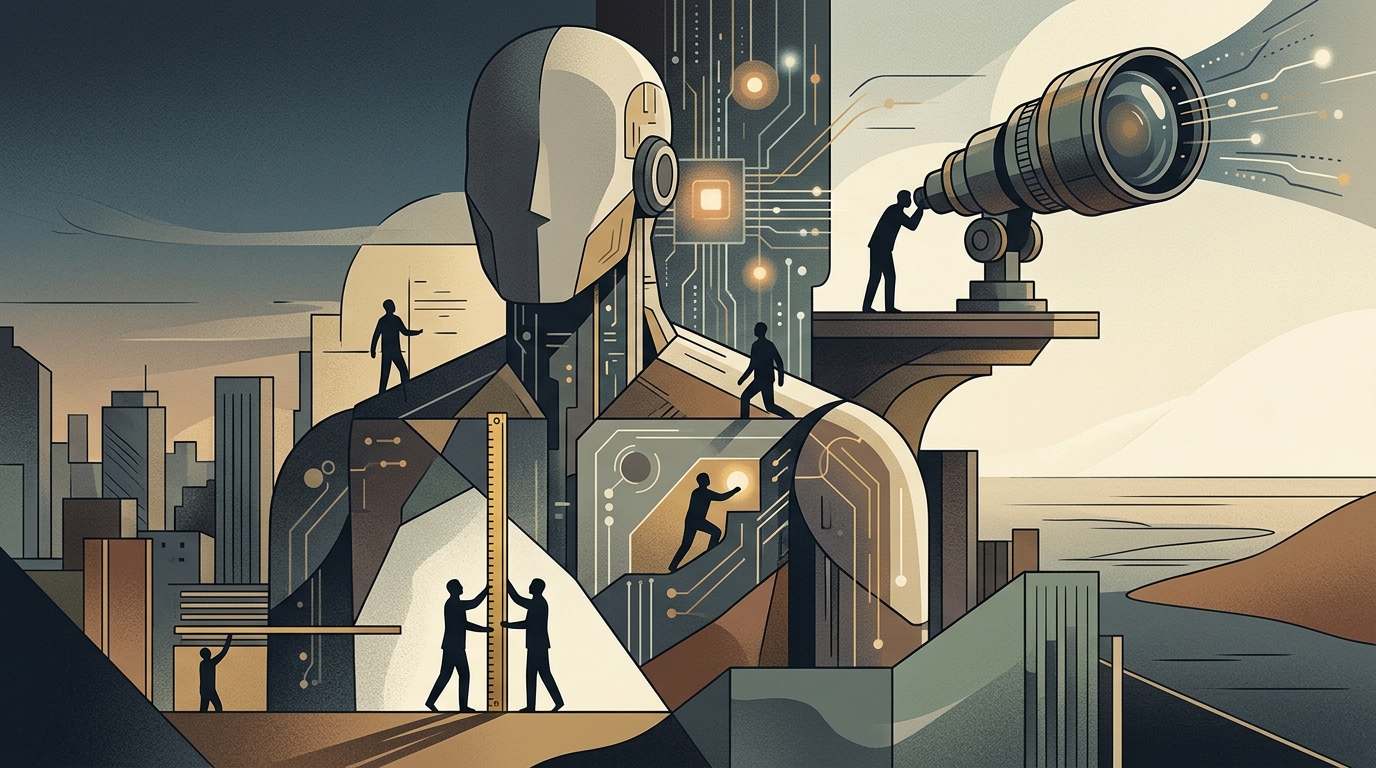
For decades, technological development was seen as the exclusive domain of programmers, mathematicians, and computer engineers. In Silicon Valley, the mantra "code is law" reigned supreme. However, as Artificial Intelligence (AI) evolves from an automation tool into an entity that simulates human reasoning, major labs like OpenAI, Anthropic, and Google DeepMind are realizing that their most intractable problems are not technical, but ontological and ethical.
The Alignment Problem: An Ethical Frontier
The central issue currently preoccupying the AI community is the "Alignment Problem." How can we ensure that a system with superhuman intelligence acts in accordance with human values? This question, while appearing technical, harbors thousands of years of philosophical inquiry. How do we define "human values"? Are they the values of Western Enlightenment, Confucian principles, or a global average of beliefs?
The philosophers being hired by these labs are not merely there to draft codes of conduct. They are actively involved in designing "Constitutional AI," a method where the model is trained based on a set of principles—a digital constitution. Here, the contribution of applied ethics is decisive. If an AI is asked to choose between protecting privacy and public safety, the decision is not based on a simple algorithm, but on a hierarchy of values that echoes Aristotle or Kant.
From Epistemology to Machine Hallucinations
Another area where philosophy proves invaluable is Epistemology—the study of knowledge. Large Language Models (LLMs) often suffer from "hallucinations," presenting false facts with absolute certainty. While engineers attempt to fix this with more data, philosophers pose deeper questions: What does it mean for a mechanical system to "know" something? Is there a distinction between the statistical probability of a word and the truth?
- Analyzing the logical structure of arguments helps reduce logical fallacies in model outputs.
- The study of semantics allows researchers to understand how words acquire meaning within an artificial neural network.
- Philosophy of language (Wittgenstein, Searle) provides tools to understand the limits of machine communication.
"Artificial Intelligence is a mirror of human cognition. If we don't understand the mirror, we will never understand what we see in it," notes an ethics researcher at a major San Francisco lab.
The Political Economy of Ethics
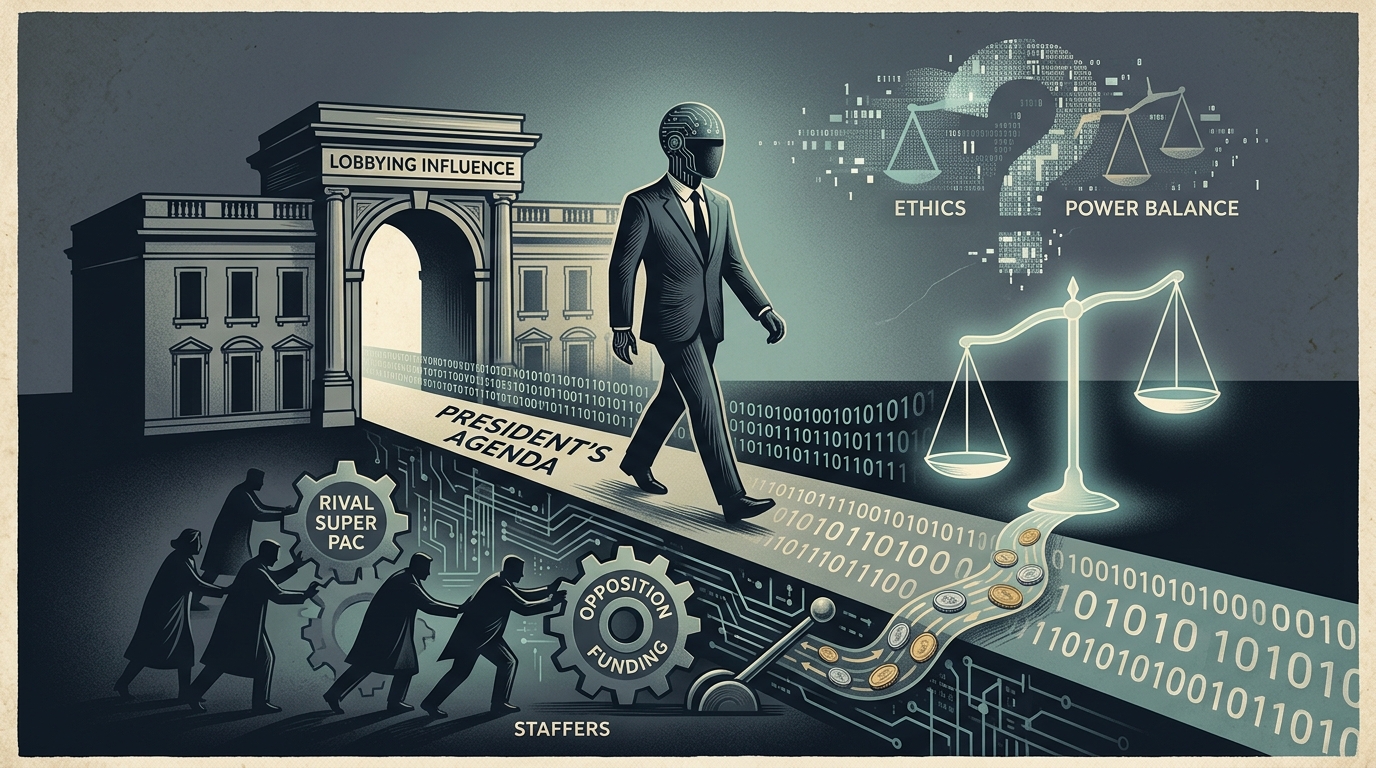
The shift toward the humanities is not just a matter of intellectual curiosity; it is a strategic necessity. With the European Union enacting the AI Act and the US pushing for regulatory frameworks, companies need experts who can translate legal requirements into technical specifications. Philosophers serve as a bridge between regulators and developers.
Furthermore, user trust is the new currency. A model that generates biased or dangerous content can destroy a multi-billion dollar company's reputation in hours. Hiring philosophers is an investment in "product safety," ensuring the technology does not turn against its creator or its user. As we move toward Artificial General Intelligence (AGI), the need for wisdom—rather than just raw compute—will become increasingly urgent.