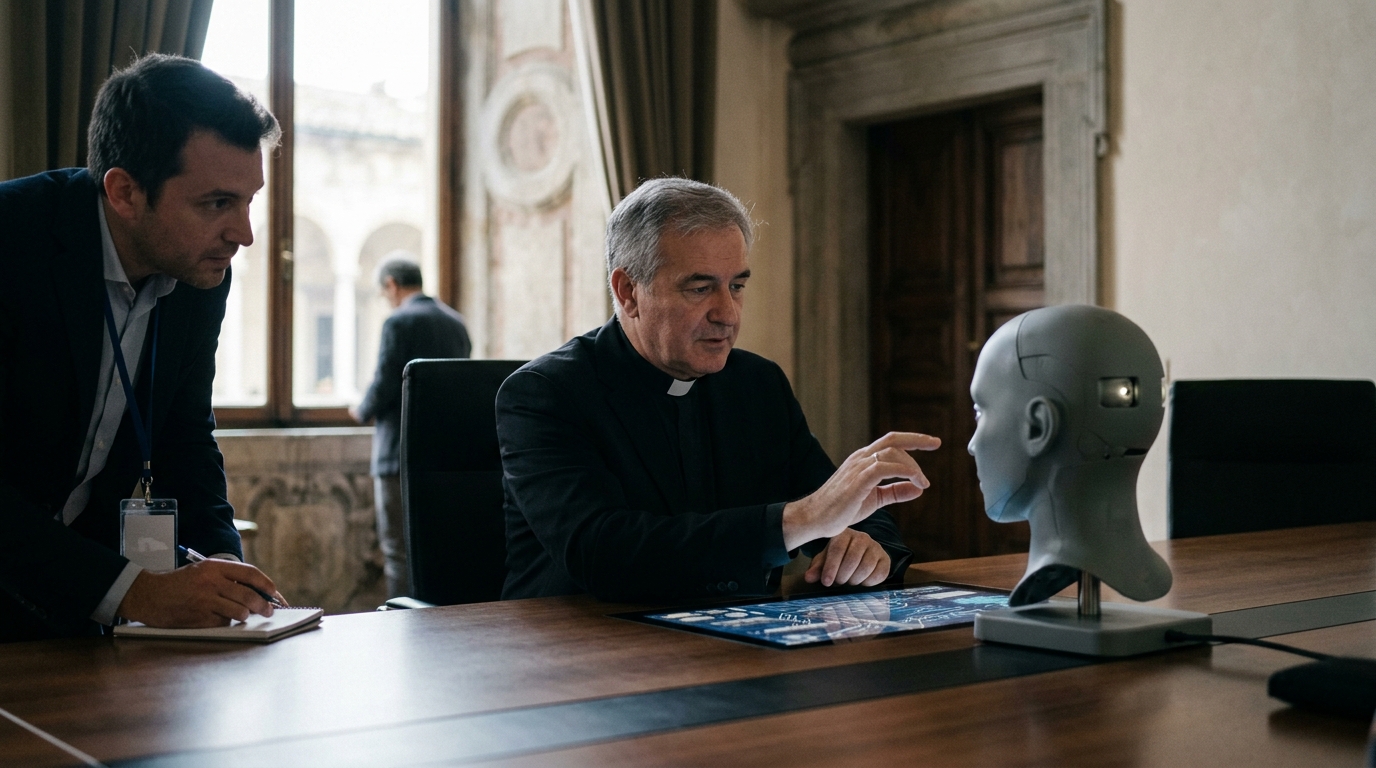
In an era where technological advancement seems to outpace humanity's capacity for full comprehension, the Vatican is making a move that many consider historic. The establishment of a new commission on Artificial Intelligence (AI) under the auspices of the Holy See is not merely a bureaucratic addition, but a strategic intervention in the dialogue regarding the future of our species. This move follows Pope Francis's growing concern over the ethical implications of algorithms on social justice, human dignity, and global peace.
The Birth of 'Algorethics'
The central pillar of the Vatican's approach is the term 'algorethics,' a concept championed by the Pontifical Academy for Life. The new commission is tasked with translating this abstract philosophical notion into practical guidelines. According to Vatican sources, the commission will consist of leading theologians, ethicists, and data scientists, aiming to examine how AI can remain at the service of humanity rather than the other way around.
'Algorethics' is not just about avoiding code errors; it is about ensuring that values of transparency, inclusion, and responsibility are embedded in the design process from the very beginning. The Holy See argues that technology is never neutral; it carries the biases and priorities of its creators. Consequently, the Church's intervention seeks to remind tech giants that profitability cannot override human rights.
Geopolitics and Social Justice
One of the most compelling aspects of the new commission is its focus on the 'digital divide.' The Vatican is concerned that AI could widen the gap between wealthy and poor nations. While developed countries benefit from automation and efficiency, the Global South risks being relegated to a mere data provider or a pool of cheap labor for model training.
- Protection of vulnerable groups from algorithmic bias.
- Ensuring access to AI technologies for developing nations.
- Ethical use of AI in weaponry and surveillance.
- Preservation of human touch in education and healthcare.
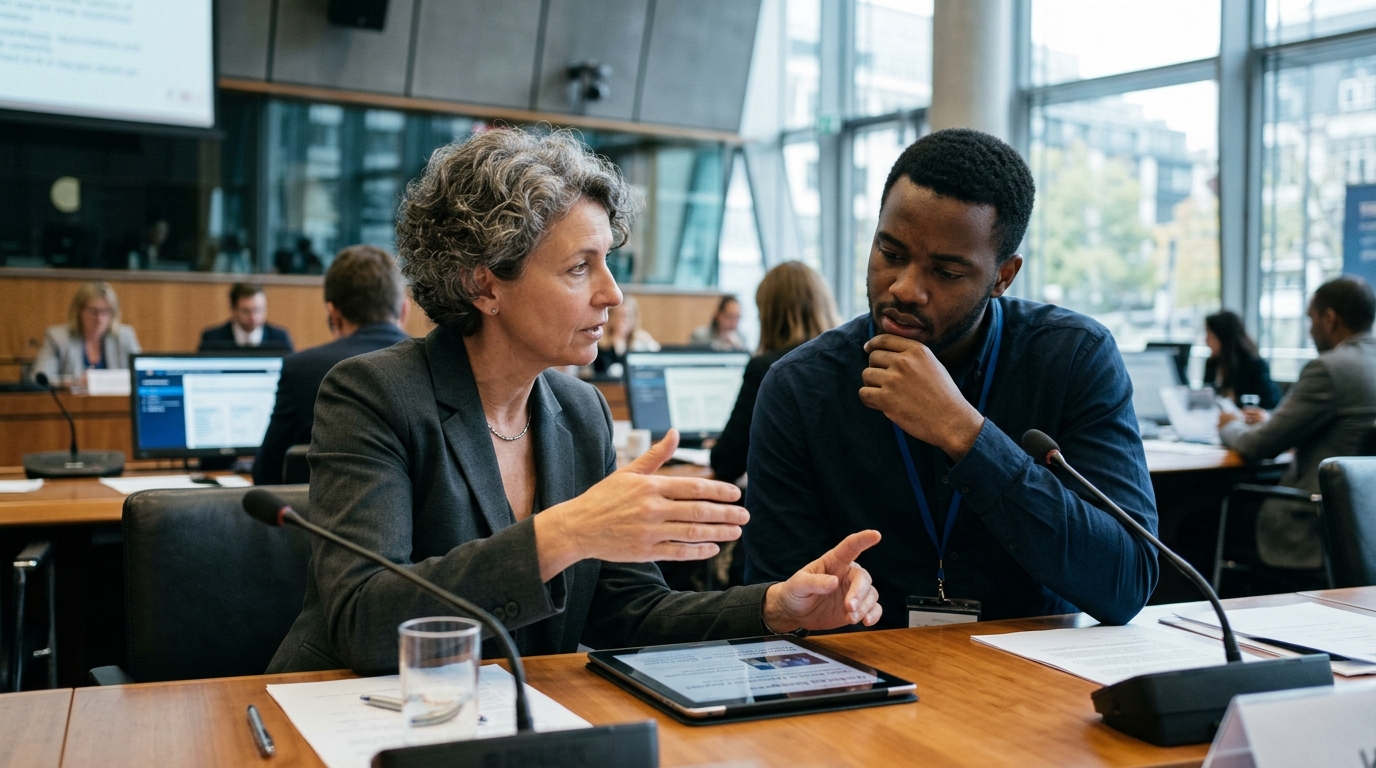
The commission is expected to work closely with international organizations like the UN and UNESCO to promote a regulatory framework that protects the 'human family,' as Pope Francis often phrases it. The Holy See’s influence, while spiritual, has the power to mobilize public opinion and push for policy-level changes.
The Challenge of Coexistence: Faith and Technology
Many wonder how a two-thousand-year-old institution can keep pace with the speed of Silicon Valley. However, the Vatican maintains that ethics do not have an expiration date.
"Artificial Intelligence is a gift, but also a responsibility. We cannot allow the algorithm to decide the value of a human life,"a commission member noted. The challenge is immense: AI evolves exponentially, while ethical and legal discussions often move at a snail's pace.
The commission will not limit itself to theoretical inquiries. It plans to issue a series of 'White Papers' addressed to developers and legislators. The goal is to create a roadmap for 'Human-Centered AI.' In a world increasingly divided by technology, the Vatican is attempting to act as a bridge, reminding us that progress without an ethical compass is a journey into the unknown with uncertain consequences.