In an era where Artificial Intelligence (AI) is often presented as the ultimate tool for objectivity and efficiency, Valerio De Stefano, Professor of Law at York University and an expert on the transformation of work, seeks to dismantle this myth. Through his recent interventions, De Stefano highlights a harsh reality: algorithms are not neutral mathematical formulas, but "digital mirrors" that reflect and often amplify the biases and inequalities that already plague our society.
The Illusion of Objectivity
The core idea of De Stefano's analysis focuses on the fact that AI systems are trained on data derived from a world full of inequalities. When an algorithm is used for hiring, for instance, and relies on historical data from a company’s past 20 years, it will tend to reproduce the patterns of the past. If the company predominantly hired men for managerial positions, the algorithm will "learn" that men are more suitable, systematically excluding women, even if they possess superior qualifications.
This "recycling of inequalities" is not limited to gender but extends to race, age, social background, and disability. De Stefano argues that the use of AI can provide a veneer of scientific validity to old discriminations, making them harder to detect and combat as they are hidden behind the "black box" of code.
Algorithmic Management: The New Workplace Discipline
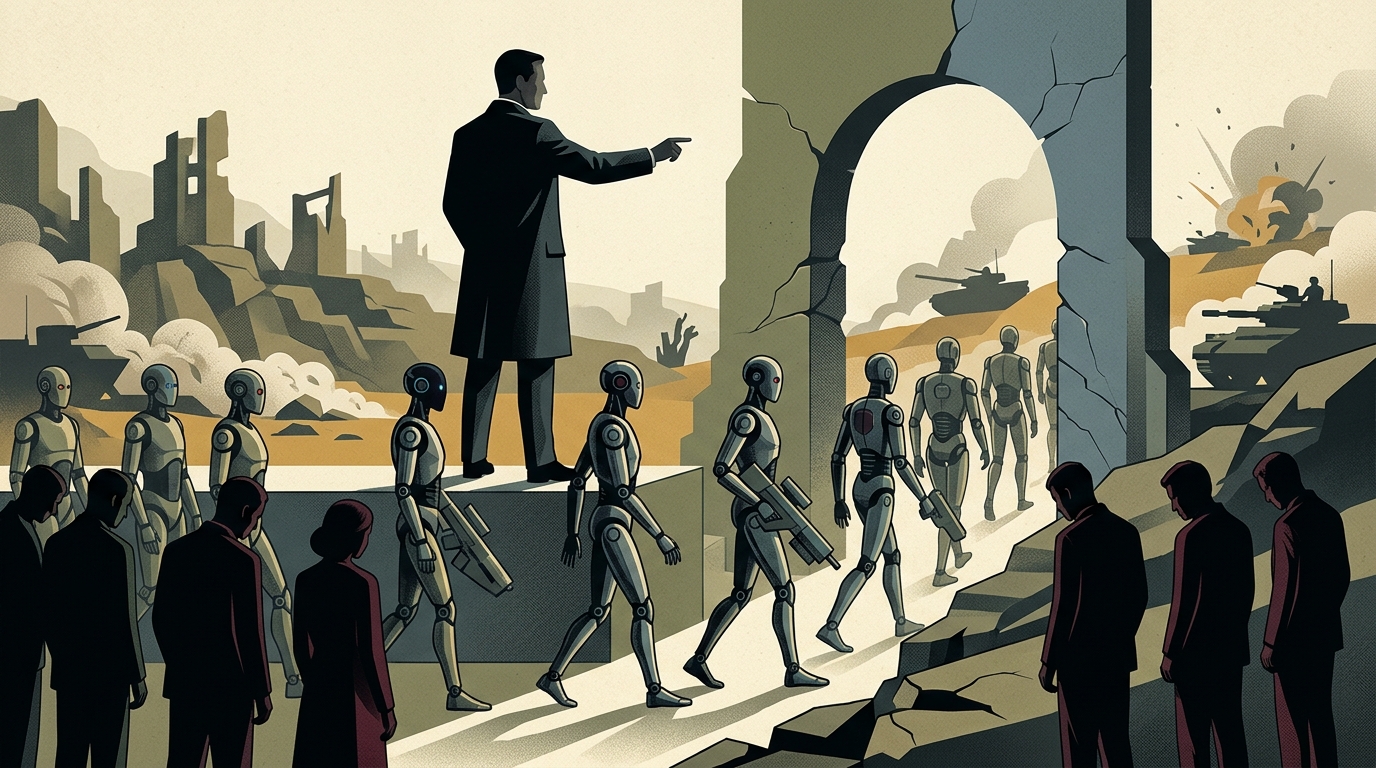
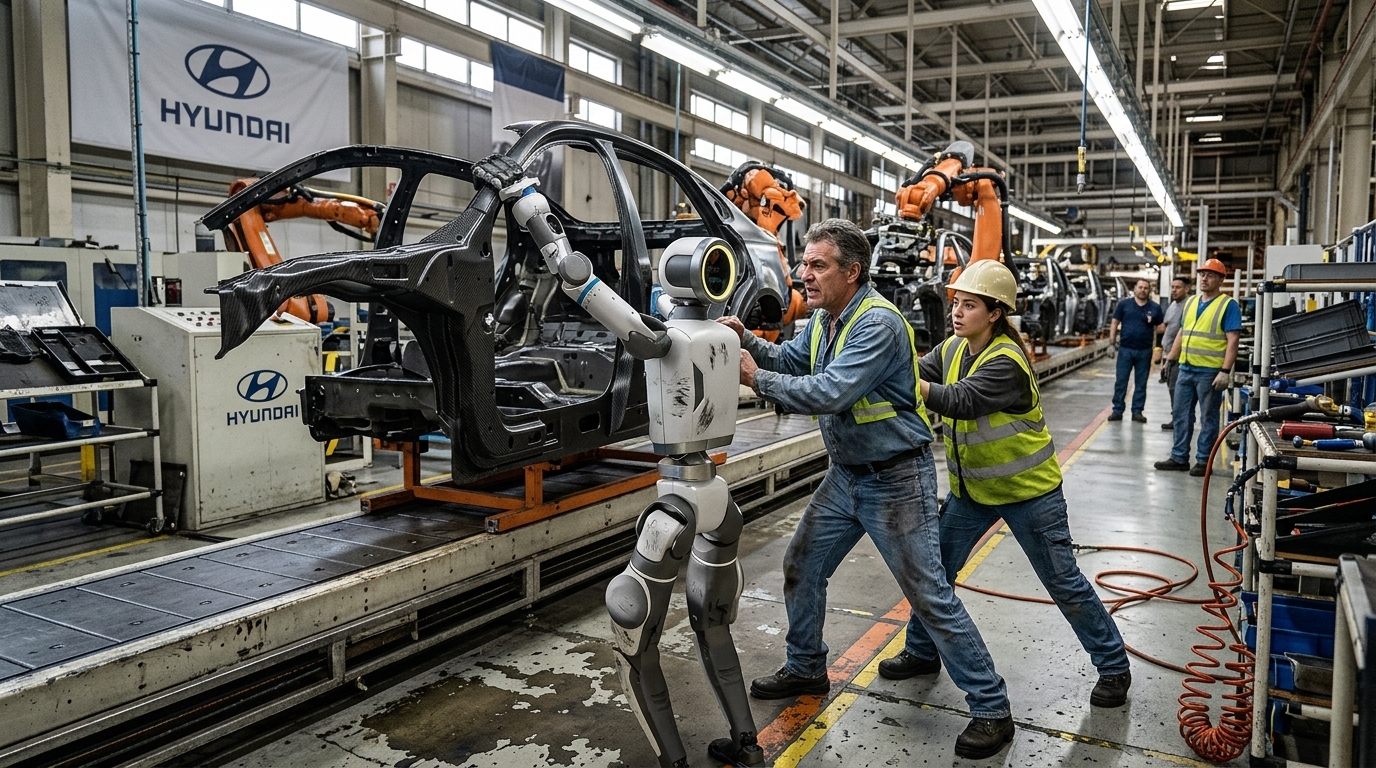
One of the most concerning aspects the professor analyzes is the rise of algorithmic management. This is no longer just about the platform economy (like Uber or delivery services), but a practice permeating traditional sectors, from banking to manufacturing. Workers are constantly monitored by sensors and software that measure their productivity in seconds, evaluate their movements, and make decisions regarding promotions, penalties, or dismissals without human intervention.
According to De Stefano, this creates an asymmetrical power relationship. The worker faces an "invisible manager" with whom they cannot argue. The distancing of management through algorithms leads to alienation and the intensification of labor, while simultaneously eroding collective rights and the ability of trade unions to negotiate fair terms.
The Need for Regulatory Frameworks and Transparency
De Stefano is not a technophobe, but he strongly advocates that technological progress must go hand-in-hand with the protection of fundamental rights. Commenting on the European Union's efforts, such as the AI Act, he points out that transparency alone is not enough. Knowing that an algorithm evaluates a worker does not protect them from arbitrariness if there are no mechanisms to challenge the decision.
"Transparency is the first step, but accountability is the ultimate goal. We must ensure that there is always a human responsible for the final decisions that affect people's lives and work," he emphasizes.
He proposes the establishment of the "human-in-the-loop" principle not as a mere formality, but as a substantive guarantee. Furthermore, he calls for strengthening the role of social partners, so that algorithms become the subject of collective bargaining before their implementation.
Conclusion: Towards Human-Centric Technology
Valerio De Stefano's message is clear: Artificial Intelligence may be a mirror, but we hold the frame. If we allow technology to operate unchecked, we will simply automate injustice. However, if we subject it to the values of democracy and equality, it can become a tool for liberating human potential.
The challenge for the coming years is not technical, but political and social. A new ethics of technology is required—one that places the human being at the center, ensuring that digital transformation leaves no one behind and does not legitimize the prejudices of yesterday with the language of tomorrow.