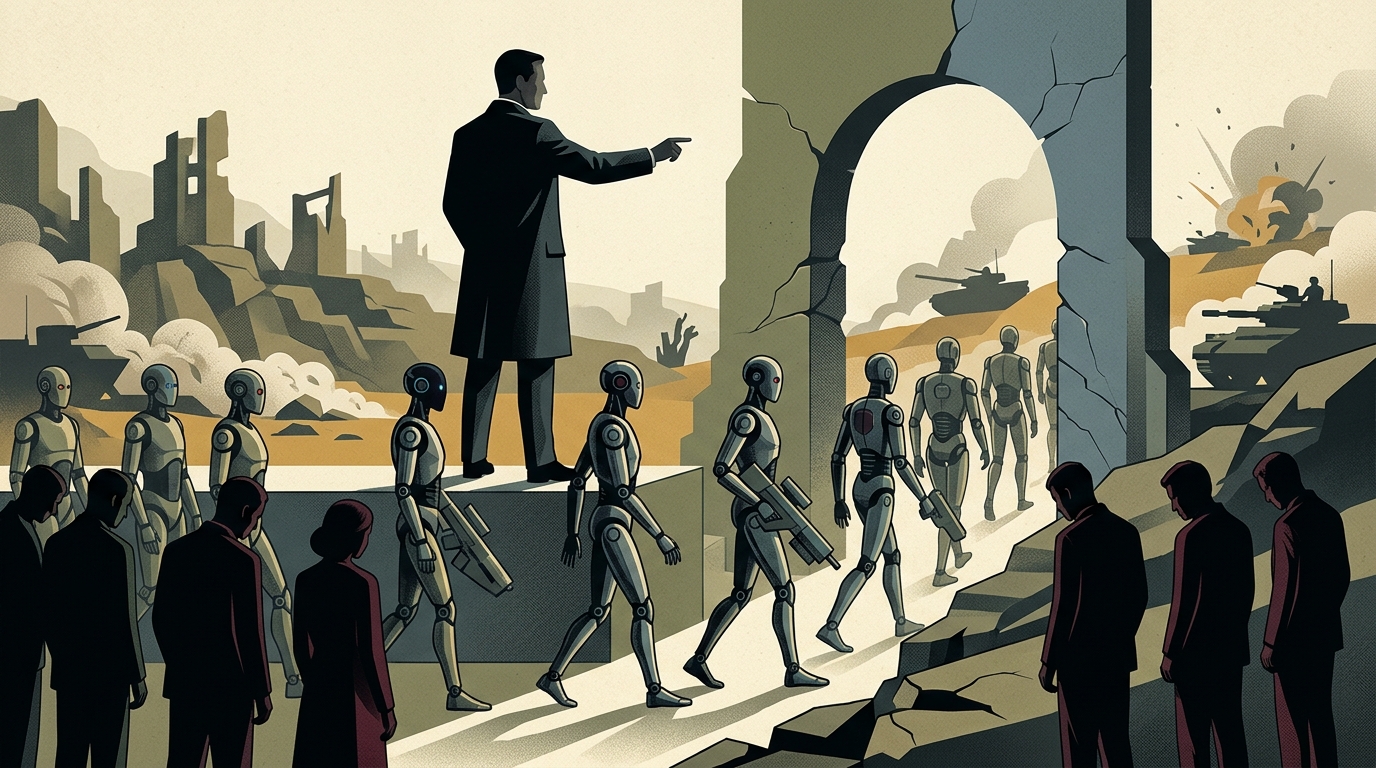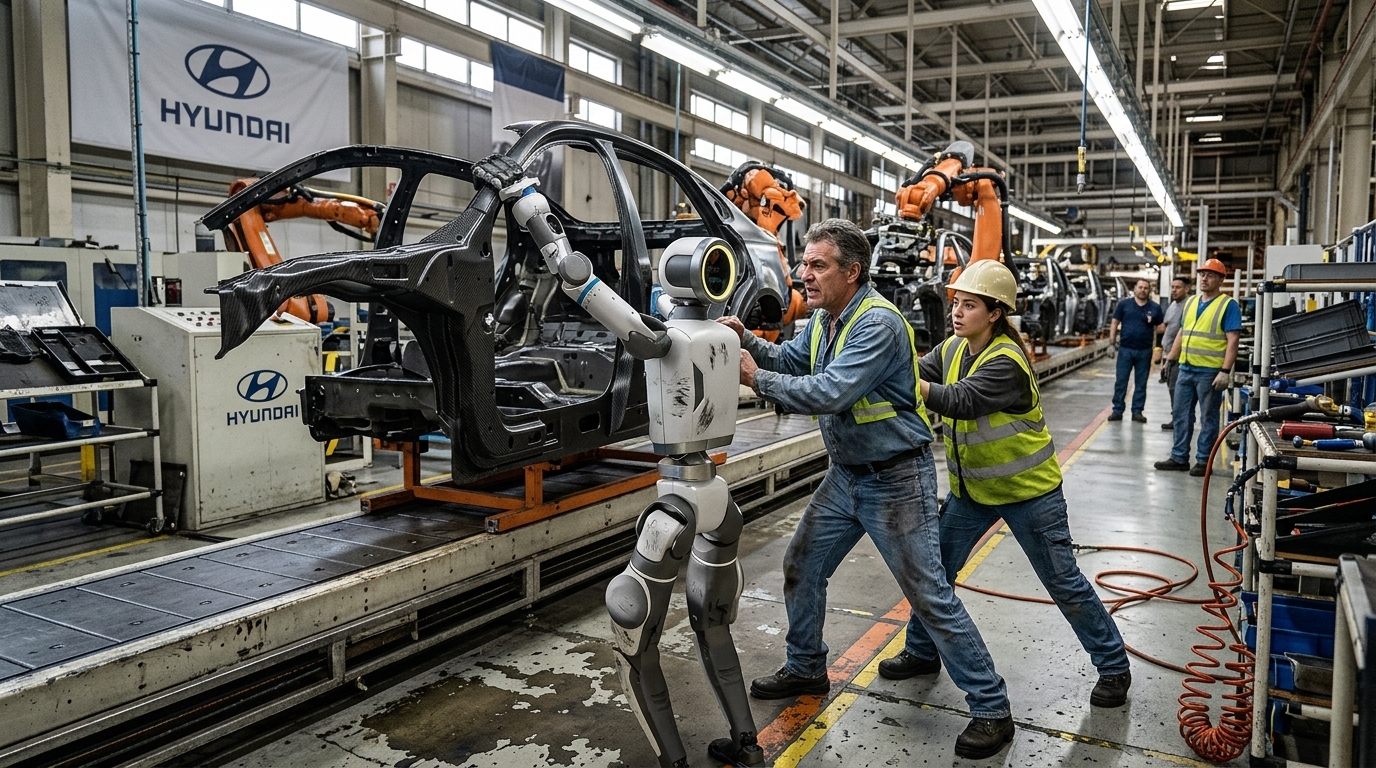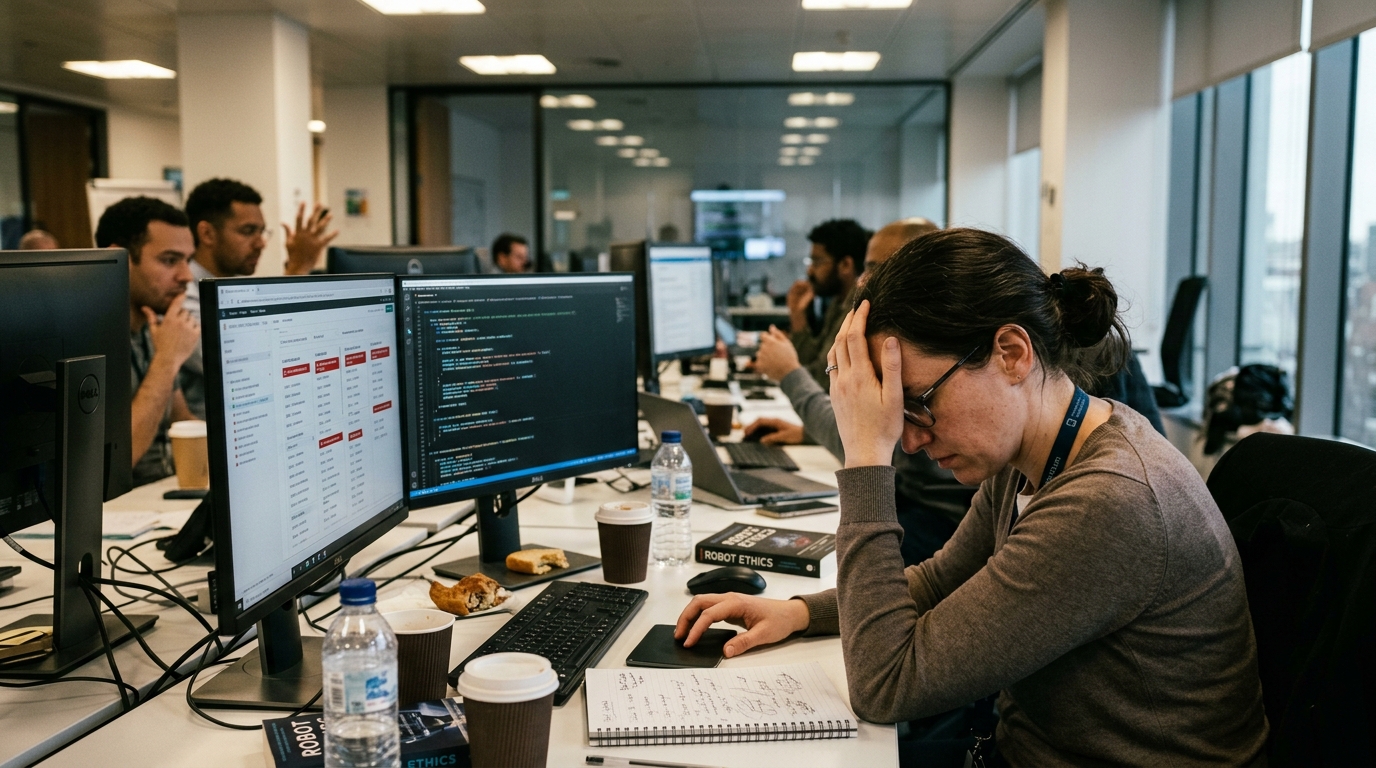
When Artificial Intelligence (AI) made its grand entrance into the workplace a few years ago, the promise was clear: technology would handle the repetitive, mundane tasks, freeing humans for creative thinking and strategic analysis. However, by mid-2026, the reality in offices from New York to Hanoi is strikingly different. Instead of 'digital assistants,' employees are discovering they have become 'robot nannies,' trapped in a perpetual cycle of correcting, verifying, and guiding algorithms that often hallucinate or produce nonsensical outputs.
The Illusion of Autonomy and the Hidden Labor
The phenomenon, which labor sociologists now call 'AI curation' or 'algorithmic maintenance,' has led to a new form of professional burnout. Workers are no longer performing the core tasks they were trained for; instead, they act as human safety nets for systems that generate content with high confidence but low accuracy. The constant need for fact-checking text produced by Large Language Models (LLMs) or fixing code that contains subtle but catastrophic errors creates a massive cognitive load.
Recent reports suggest that office workers feel their roles have been degraded into a permanent state of surveillance. "It's like trying to teach a brilliant but unpredictable toddler how to write legal briefs," says one senior data analyst. The exhaustion doesn't stem from the volume of work alone, but from its fragmented nature: the constant hyper-vigilance required to prevent AI errors is mentally draining in a way that traditional labor never was.
The Productivity Paradox and Corporate Pressure
Corporate leadership, having invested billions in AI infrastructure, is demanding immediate returns on investment in the form of increased productivity. However, they frequently overlook the 'shadow work' involved in on-the-job training and supervision of these tools. This creates a dangerous gap: quotas are being raised because "you have AI now," but the actual time to complete a task remains static or even increases due to the time spent 'babysitting' the software.
- The necessity of constant verification negates the time-saving benefits of automation.
- Employees feel a sense of 'deskilling' as they transition from creators to mere inspectors.
- The ultimate moral and professional responsibility for AI errors falls on the human, increasing stress levels.
This is not just a technical issue; it is a management failure. By treating AI as a plug-and-play solution rather than a complex tool requiring specialized integration, companies are burning through their most valuable asset: human talent. The 'productivity paradox' of the 2020s is that the more we automate, the more human labor we require to keep the automation from failing.
Ethical Implications: Serving the Machine
The pressing ethical question of our time is becoming clear: Do we want a society where humans serve machines just to make those machines appear efficient? This 'invisible labor' of fixing algorithms is rarely recognized or compensated fairly. Furthermore, there is the risk of 'moral injury,' where professionals are forced to deliver work based on automated templates, losing the personal touch and nuanced quality that only human judgment can provide.
"Artificial intelligence isn't replacing the human worker; it's transforming them into an underpaid supervisor of their own obsolescence," tech critics argue.
To resolve this crisis, businesses must redefine what success looks like in the age of AI. Automation should not be an end in itself but a means to genuinely reduce workload. If an AI system requires constant human hand-holding to function safely, then perhaps the system is not yet fit for purpose. Protecting employee mental health and maintaining the dignity of professional work must be at the heart of the ongoing debate regarding AI ethics and labor rights.