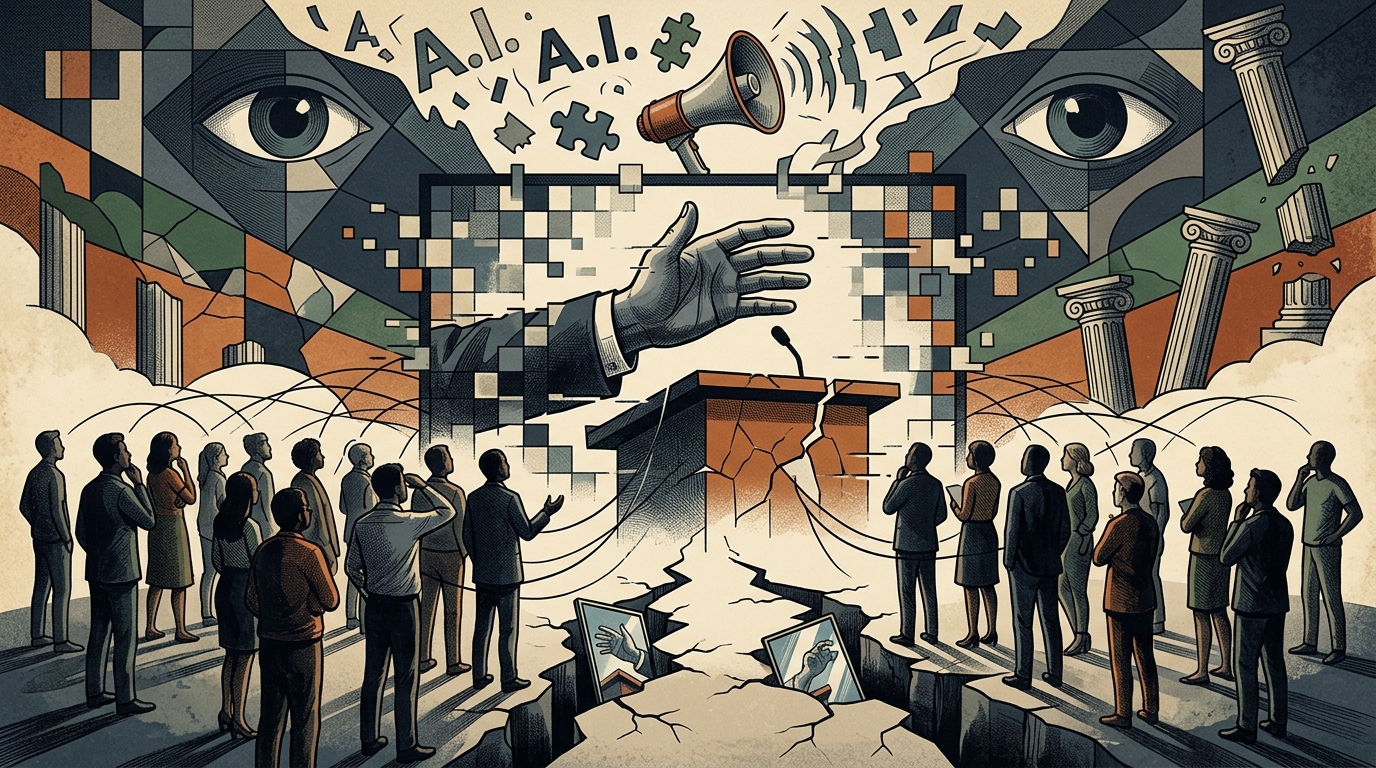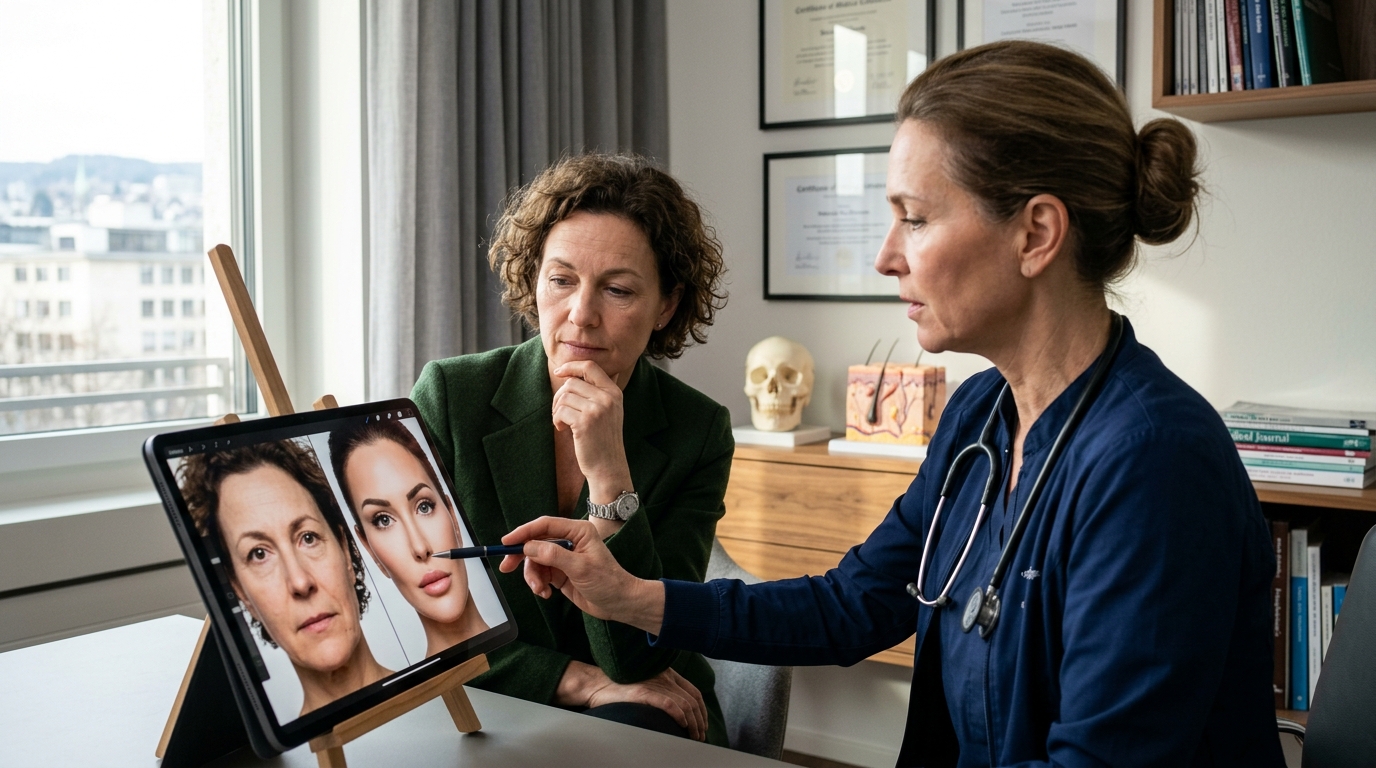
In an era where our digital persona often precedes our physical presence, the boundaries between reality and algorithmic perfection are becoming increasingly blurred. A new and unsettling trend is emerging in the consultation rooms of plastic surgeons worldwide: the demand for the ‘AI Face.’ Patients are no longer arriving with photos of celebrities; instead, they present digitally manipulated versions of themselves, crafted by sophisticated AI filters that promise a flawless—yet often anatomically impossible—symmetry.
The Illusion of Algorithmic Perfection
Artificial intelligence, through platforms like TikTok and Instagram, has evolved from simple filters that added "dog ears" to complex machine learning models that reconstruct facial structure in real-time. Filters such as the notorious ‘Bold Glamour’ do not merely overlay skin textures; they redefine cheekbones, narrow noses, and enlarge eyes in a way that appears hauntingly realistic. The problem, as leading surgeons point out, is that these digital results often ignore the laws of physics and human anatomy.
“You can’t control everything,” a surgeon recently told The Guardian, highlighting the chasm between what code can achieve and what human tissue can sustain. AI can erase every trace of a nasolabial fold or create a perfectly smooth surface under the eyes, but in physical reality, these structures are essential for facial movement and the expression of emotion.
From ‘Snapchat Dysmorphia’ to ‘AI Dysmorphia’
The term ‘Snapchat Dysmorphia’ was coined a few years ago to describe the phenomenon of people seeking surgery to resemble their filtered images. However, the advent of AI has raised the stakes to dangerous levels. While older filters were obviously artificial, AI creates a version of ourselves that looks “real,” leading to a deeper psychological disconnection. Patients begin to view their natural face as a “broken” version of their digital ideal.
- Loss of Uniqueness: AI tends to homogenize features based on mathematical averages of beauty, leading to the erosion of ethnic and personal characteristics.
- Unrealistic Expectations: Digital editing does not account for healing, scarring, or the natural process of aging.
- Psychological Pressure: Constant exposure to a “perfect” version of oneself lowers self-esteem and increases rates of depression.
The Ethical Responsibility of the Surgeon
The rise of the ‘AI Face’ places plastic surgeons before grave ethical dilemmas. Medical ethics mandate the avoidance of unnecessary or dangerous procedures, yet the commercialization of the industry often pushes in the opposite direction. Responsible professionals are now required to act more as psychologists than technicians. They must recognize the signs of Body Dysmorphic Disorder (BDD) and refuse to operate when a patient’s expectations are rooted in algorithmic illusions.
“Our duty is not to satisfy every fantasy created by an algorithm, but to protect the health and integrity of the patient,” says a member of the International Society of Aesthetic Plastic Surgery.
The challenge for the future lies in public education. As deepfake technology and AI tools become more accessible, society must develop a critical eye toward the digital image. The beauty of the human form lies in its imperfection and uniqueness—elements that AI, in its pursuit of absolute symmetry, seeks to eliminate.
Conclusion: A Return to the Human
In a world dominated by pixels and algorithms, the greatest revolution may be the acceptance of our physical selves. Plastic surgery can offer enhancement and restoration, but it cannot transform a human being into a digital avatar without serious consequences. The rise of the ‘AI Face’ is a reminder that technology should serve humanity, not redesign our very existence according to the standards of a machine.