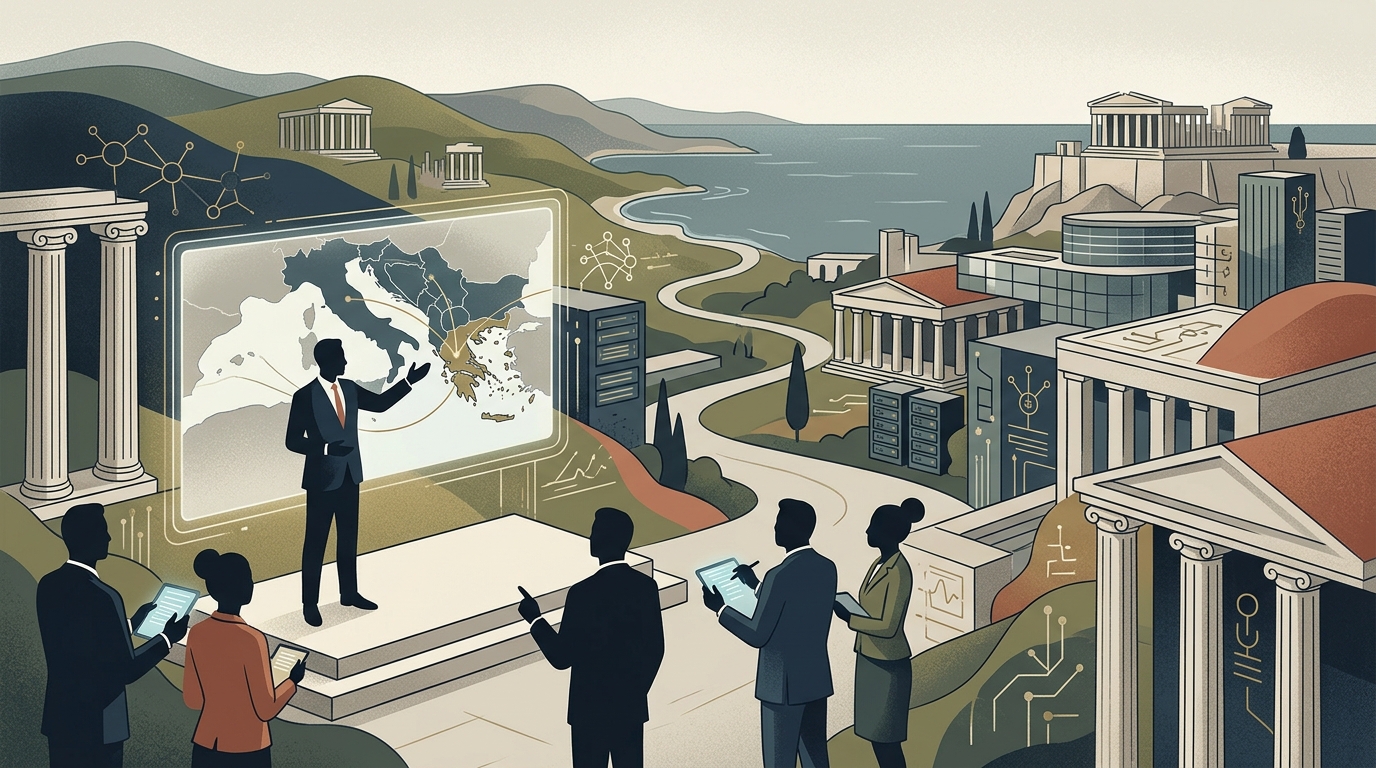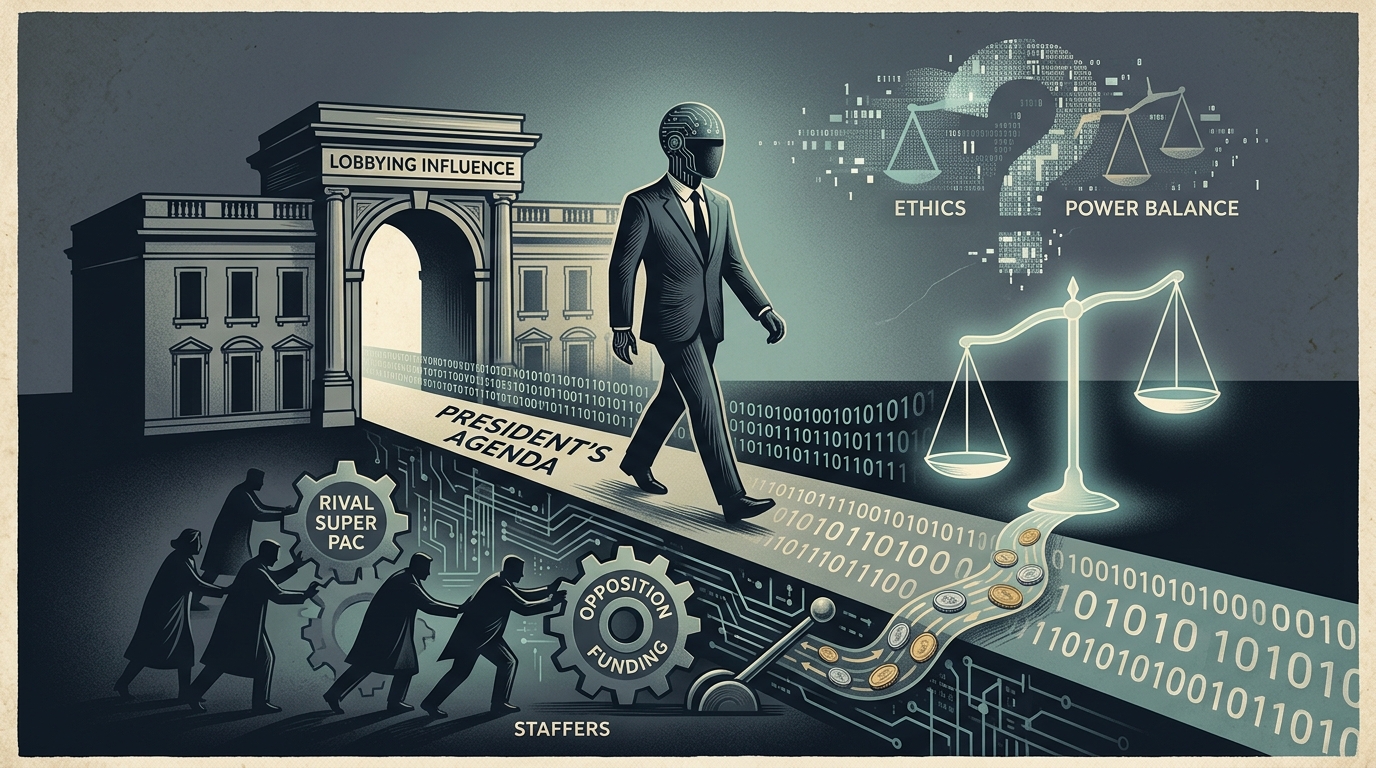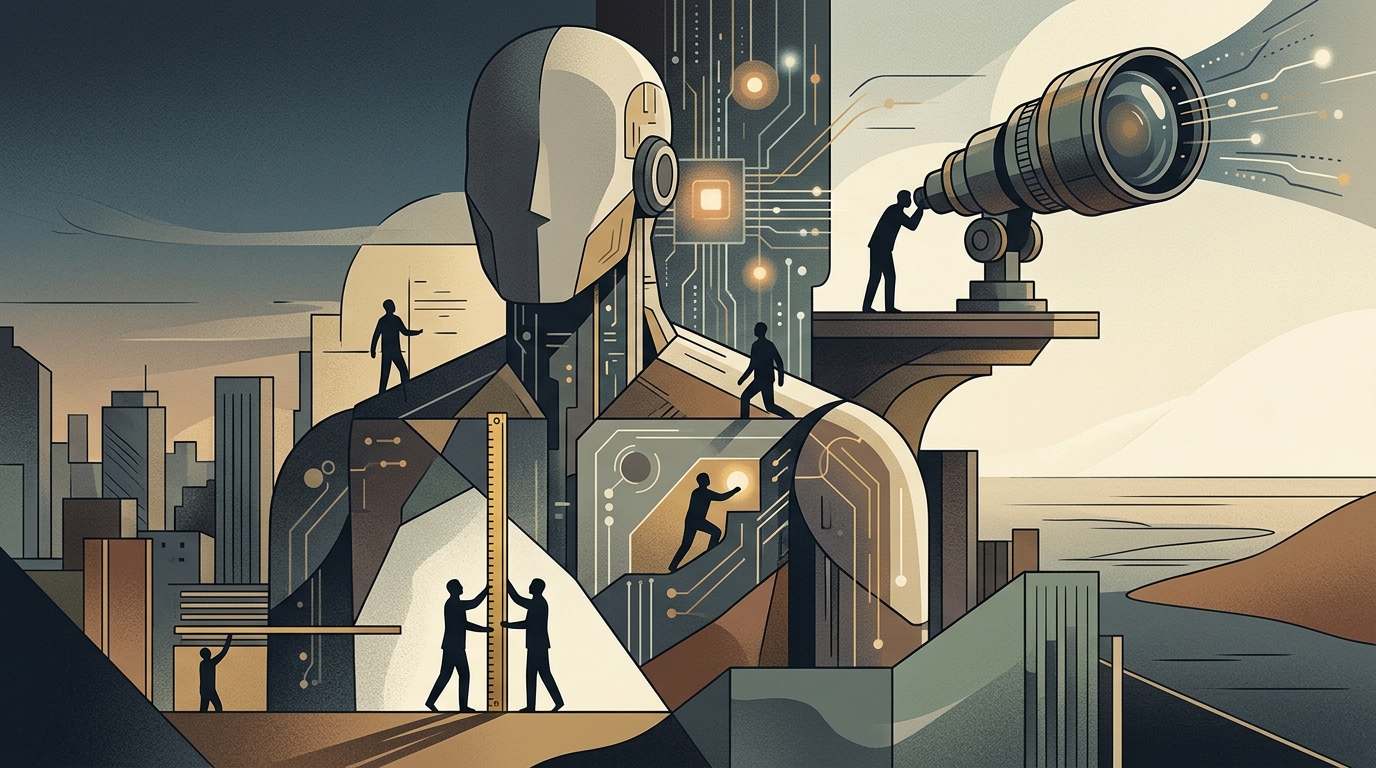
In an era where technology seems to advance at speeds far exceeding human comprehension, an unexpected class of professionals is making its way into the inner sanctums of major artificial intelligence laboratories. These are not programmers with expertise in quantum computing or mathematicians specialized in statistical analysis, but philosophers, ethicists, and scholars of the humanities. The recent trend of companies like OpenAI, Anthropic, and Google DeepMind hiring PhDs in philosophy is not a mere PR stunt; it is a profound necessity arising from the so-called "alignment problem."
The Alignment Problem and Ethical Choice
The central question is no longer whether AI can perform complex tasks, but whether the decisions it makes align with human values. This is precisely where philosophy enters the fray. Engineers can build a model that optimizes a specific parameter, but who defines which parameter is ethically sound? For instance, in a dilemma where an AI must choose between protecting individual privacy and ensuring public safety, the answer is not found in the code, but in ethical theory. Philosophers are tasked with translating concepts like justice, virtue, and utility into rules that can guide the training of Large Language Models (LLMs).
Anthropic, for example, has pioneered the "Constitutional AI" approach. In this process, the machine is trained based on a set of principles—a constitution—drawn from sources like the Universal Declaration of Human Rights. Drafting these principles requires a nuanced understanding of political philosophy and deontology, areas where philosophers excel. It is not enough to tell an AI "do not be evil"; one must define "evil" in a world filled with moral gray zones and cultural nuances.
From Theory to Practice: Daily Life in the Labs
Philosophers in AI labs do not sit in ivory towers discussing Plato. They are active participants in "Red Teaming" groups, where they attempt to "break" models by inducing them to produce unethical or dangerous content. They analyze biases inherent in training data and propose methodologies for mitigation. Their job is to anticipate the unintended consequences of a technology before it is released to the public.
- Bias Analysis: Identifying subtle discrimination in racial or gender issues that statistical analysis might overlook.
- Defining Ontologies: How does AI categorize the world? Philosophers help structure concepts to avoid logical fallacies.
- Governance: Designing internal accountability frameworks for when AI systems fail.
Regulatory Pressure and Social Acceptance
Another critical factor is legislation. With the implementation of the European Union's AI Act, companies are now legally required to demonstrate that their systems are safe and ethical. The presence of philosophers serves as a guarantee—to both regulators and the public—that technological development is not occurring in a vacuum.
"Technology without ethics is blind, and ethics without technology is powerless,"a DeepMind researcher recently noted, paraphrasing Kant. Society now demands that Silicon Valley takes responsibility for its creations, and the humanities provide the tools for that accountability.
Conclusion: The Synthesis of Two Worlds
The hiring of philosophers marks the coming-of-age of the AI industry. After years of a culture that prioritized "moving fast and breaking things," we are entering a phase of reflection. The challenge of Artificial General Intelligence (AGI) is not merely technical; it is existential. If we are to create entities that will make decisions about our lives, we must ensure these entities understand the value of the human experience. Ultimately, philosophers are not hired to teach machines how to think, but to remind the people building them what it means to be human.