In contemporary public discourse, AI ethics has morphed into a form of secular religion. From the boardrooms of Davos to the lecture halls of Ivy League universities, there is a universal consensus that technology must be "human-centric," "transparent," and "fair." However, a dangerously widening chasm exists: while the theoretical debate over AI risks flourishes, the practical trajectory of the technology appears to follow a preordained, almost deterministic path that blithely ignores the warnings.
A recent Guardian analysis strikes at the heart of this paradox, suggesting we are in a state of "paralysis by analysis." We debate ethics not to guide evolution, but often as a way to soothe public anxieties while Big Tech continues its relentless arms race. Ethics has become, in many instances, a marketing tool or, worse, a strategy to delay meaningful legislation.
The Phenomenon of Ethics Washing
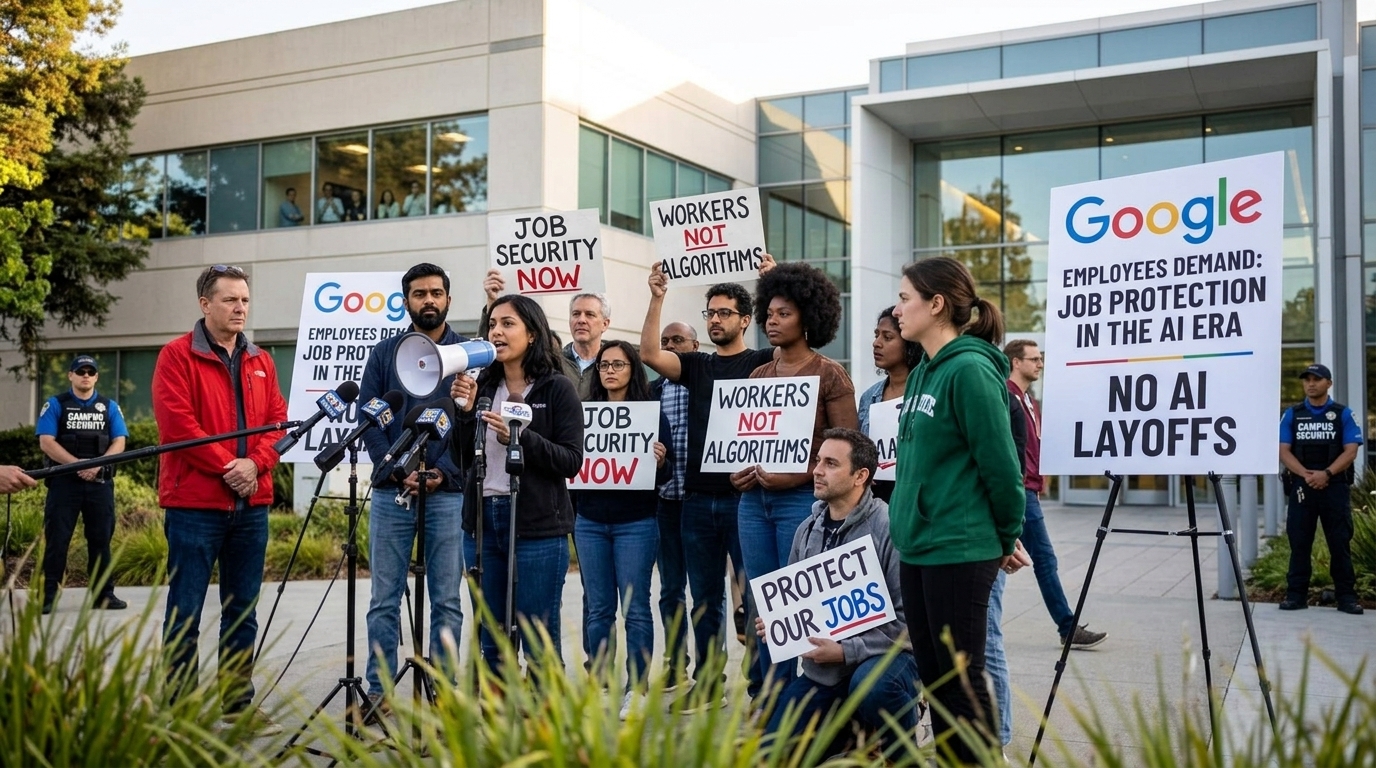
The term "ethics washing" is not new, but in the AI era, it has taken on new dimensions. Tech giants hire armies of ethicists and establish internal oversight boards. Yet history shows that when these boards clash with profitability or product launch speed, ethics is sidelined. The dismissal of prominent ethical AI researchers from Google a few years ago remains the most poignant example of this dynamic.
The reality is that modern corporate structures do not permit a "pause" button. In a growth-based capitalist world, the company that stops training a model to examine its societal impacts risks losing its market share to a competitor with no such qualms. This creates a classic "prisoner’s dilemma" on a global scale, where the collectively optimal decision (caution and ethical scrutiny) is sacrificed on the altar of individual survival and dominance.
The Geopolitical Trap: The Competition Excuse
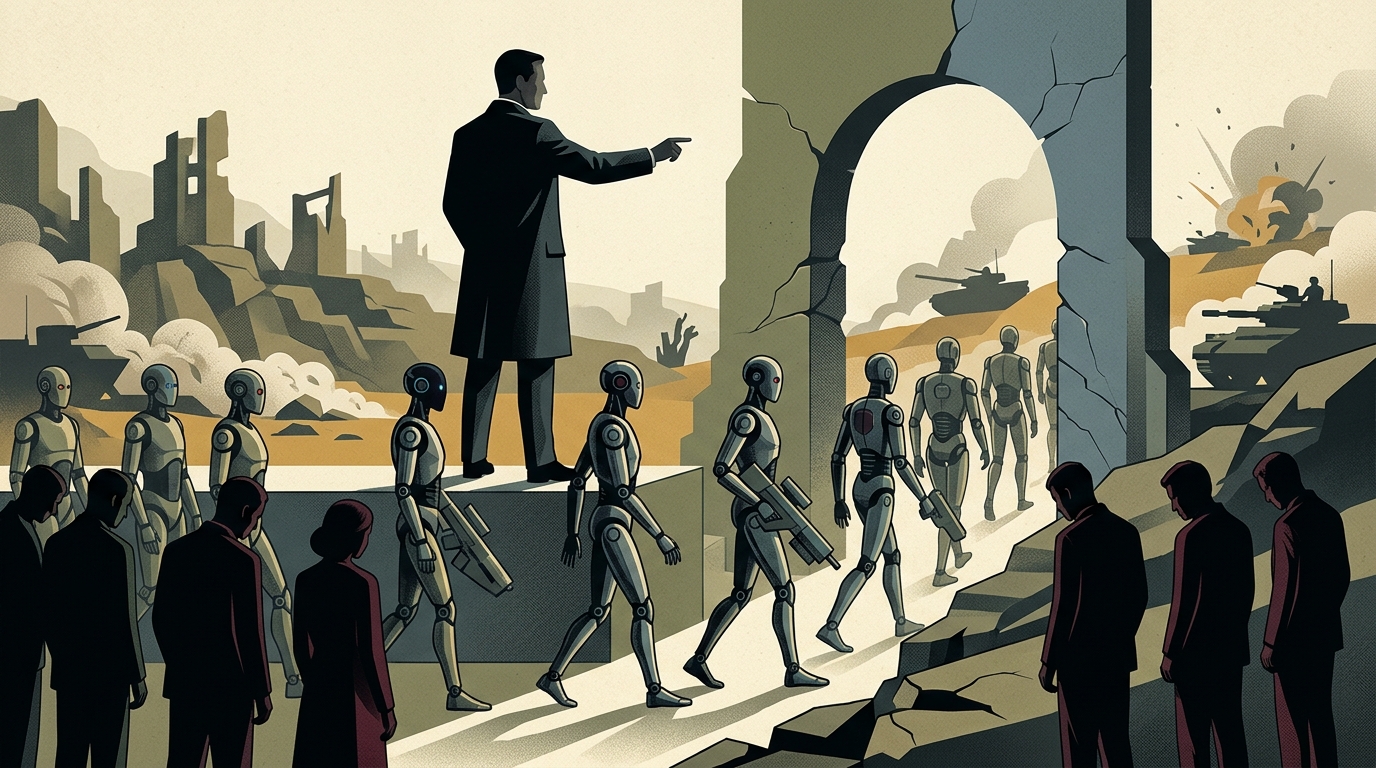
Beyond the corporate sector, the argument that nullifies almost every ethical intervention is geopolitical rivalry. The West, primarily the US, fears that imposing strict ethical rules on AI will hand the reins to China or other autocratic powers that do not feel bound by democratic values. This "arms race" narrative serves as the ultimate justification for bypassing ethical guardrails.
- Speed trumps safety: The pressure to be first leads to insufficient testing.
- Transparency is seen as weakness: Training data disclosure is avoided for IP and national security reasons.
- Accountability is diffused: When an AI system errs, responsibility vanishes into a labyrinth of algorithms and corporate structures.
This mindset transforms AI into an "inevitable" force of nature rather than a human creation that can and must be controlled. If we accept that we cannot change course due to competition, we have already surrendered our autonomy to the machine.
Regulation vs. Reality
The European Union has attempted to take the lead with the AI Act, the most ambitious effort to regulate technology globally. However, even this framework faces intense lobbying and pressure to "soften" rules so as not to stifle European innovation. The question remains: Can the law keep pace with a technology evolving at exponential rates?
"Ethics without enforcement power is merely wishful thinking. And the enforcement power in AI currently lies with those who have the least incentive to limit it."
To change course, declarations of principle are not enough. A radical overhaul of how technology is funded and developed is required. Perhaps the solution lies not in more ethics conferences, but in powerful disincentives for irresponsible development, such as strict civil liability for model creators and the requirement for absolute transparency in data sources.
Conclusion: The Need for Political Will
The debate over AI ethics risks becoming the noise that masks the silence of our inaction. If we continue to treat technological progress as a fatalistic event that simply "happens" to us, then ethics will remain a luxury for future historians to ponder. Changing course requires more than ethics: it requires the political courage to say "no" to certain applications, even if it means a temporary loss of profit or power. Technology is a mirror of our values. If we cannot control it, perhaps it is because the values we truly serve—profit and dominance—leave room for nothing else.