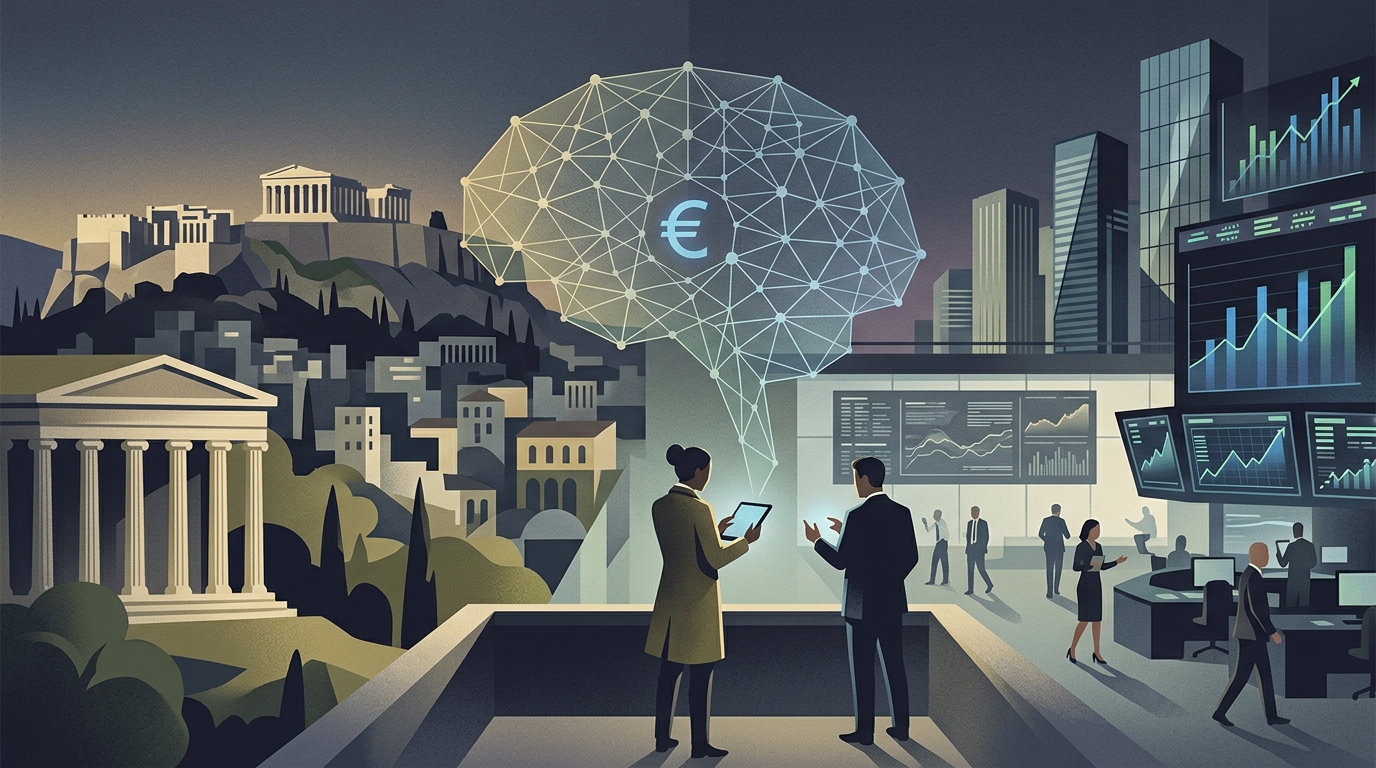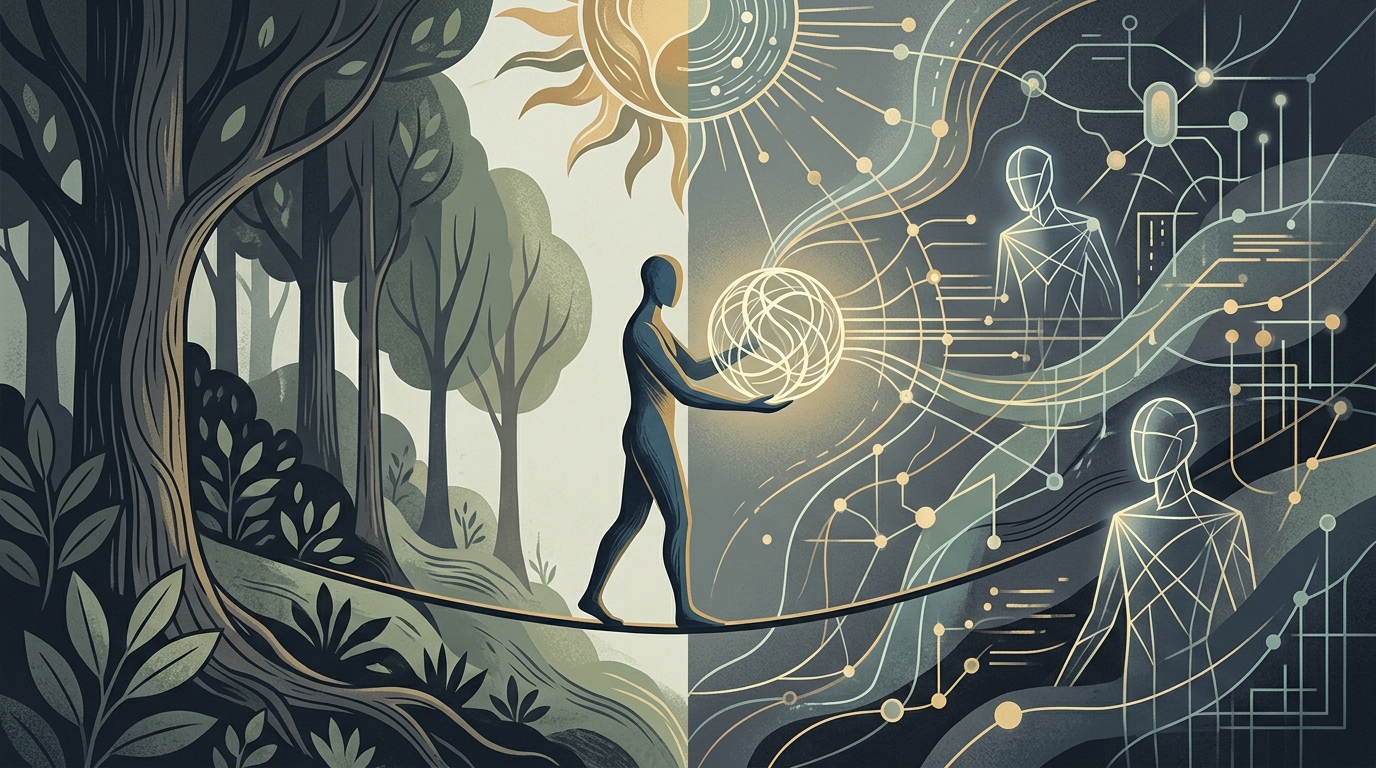
At the dawn of 2026, the discourse surrounding Artificial Intelligence has shifted from laboratories and boardrooms to a realm that strongly resembles theological inquiry. What once began as an effort to optimize algorithms and automate tasks has evolved into what many analysts call "The Intelligence Cult." It is no longer just about code and data; it is about a worldview that promises the salvation of humanity—or its total replacement—through Artificial General Intelligence (AGI).
The High Priests of Silicon Valley and the Dogma of Singularity
At the heart of this new "faith" are the leaders of the major tech giants. Their public interventions no longer resemble the dry product presentations of the past, but rather sermons. They promise a world without disease, without death, and without the need for labor, provided we hand over the keys to our governance and ethics to the algorithms. The concept of the "Singularity" functions as the eschatology of this religion: the point where artificial intelligence will surpass human intelligence to such a degree that history as we know it will end.
This trend is not accidental. As traditional religious and social structures weaken in the West, technology fills the void for the need for meaning. The "Intelligence Cult" offers a purpose: the creation of a "digital god." As highlighted by analysis from The Dispatch, this approach risks devaluing human dignity, turning humans into a mere "biological substrate" preparing the ground for its superior digital successor.
The Ethics of Effective Accelerationism (e/acc)
One of the most extreme manifestations of this cult is the "Effective Accelerationism" (e/acc) movement. Its followers argue that technological progress must be accelerated at all costs, without constraints or regulatory frameworks. They believe that intelligence is a natural force, similar to entropy, that must dominate the universe.
- The rejection of human caution as an "obstacle" to evolution.
- The belief that the market and technology will automatically solve every ethical dilemma.
- Contempt for "Doomers" (those who warn of AI risks) as heretics of progress.
This rhetoric bypasses fundamental questions: Who controls these gods? Who benefits from the acceleration? When intelligence is disconnected from wisdom and empathy, it ceases to be a tool and becomes an oppressor. This cult tends to ignore present social inequalities, focusing on a utopian future that might not even include the majority of the human species.
The Political Dimension: From Citizens to Users
The transformation of technology into a cult has serious implications for democracy. If AI is considered "omniscient," then political deliberation seems redundant. Why vote or debate when an algorithm can calculate the "optimal" solution for society? This technocratic authoritarianism wears the mantle of objectivity, while in reality, it reflects the biases and interests of its creators.
"Intelligence without an ethical compass is simply a faster road to chaos."
In Europe, resistance to this cult is expressed through strict regulatory frameworks, such as the AI Act. However, the pressure from Silicon Valley is immense. AI "believers" argue that regulation is "sacrilege" that will leave the West behind in global competition. This dilemma—progress or protection—is the central stake of our era.
Conclusion: The Need for a New Humanism
Addressing the "Intelligence Cult" does not require the rejection of technology, but its removal from the pedestal of the divine. We must remember that intelligence is only one aspect of the human experience. Judgment, compassion, creativity, and the ability to take responsibility for our mistakes are characteristics that no code can fully replicate.
In 2026, the greatest challenge is not to build smarter machines, but to remain wise enough to control them. Returning to a digital humanism, where technology serves humans and not the other way around, is the only answer to Silicon Valley's messianism. Intelligence must remain a tool, not an idol to be worshiped.