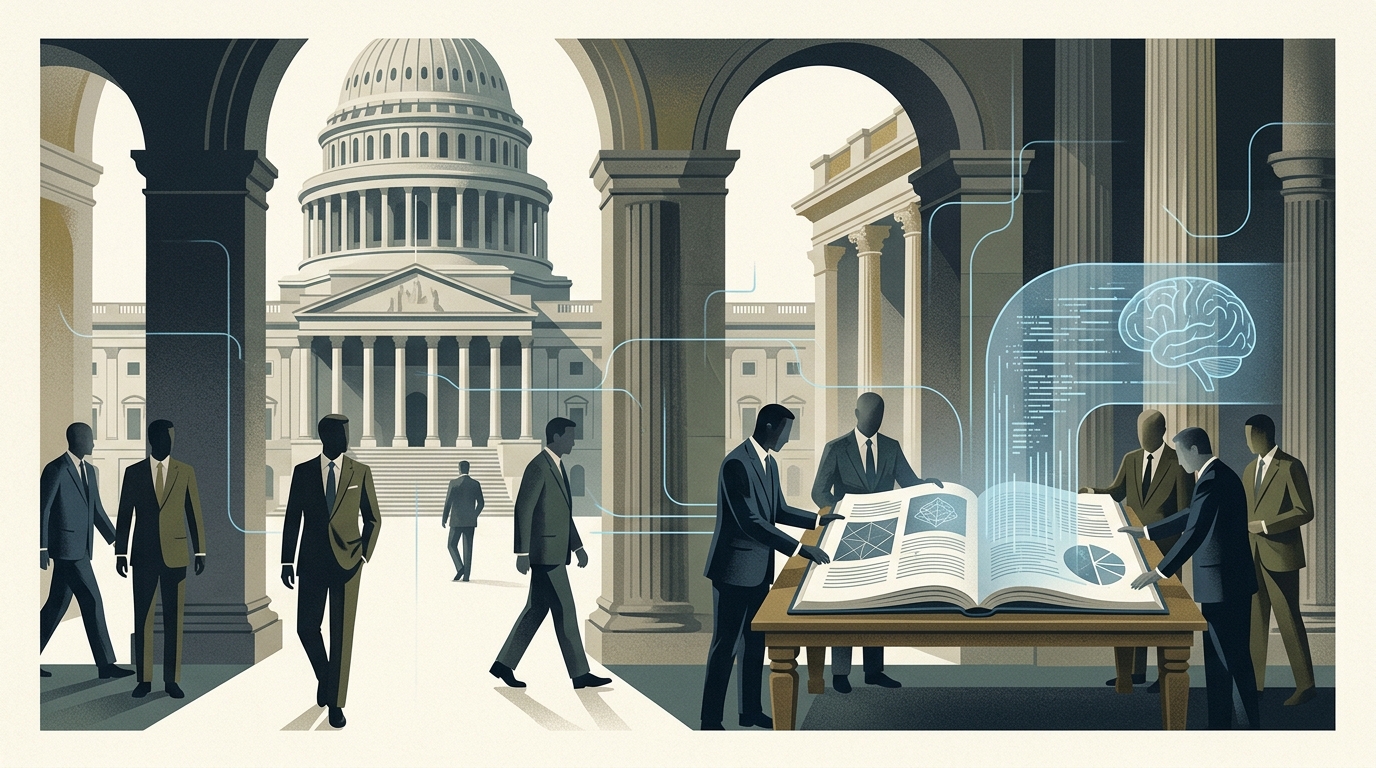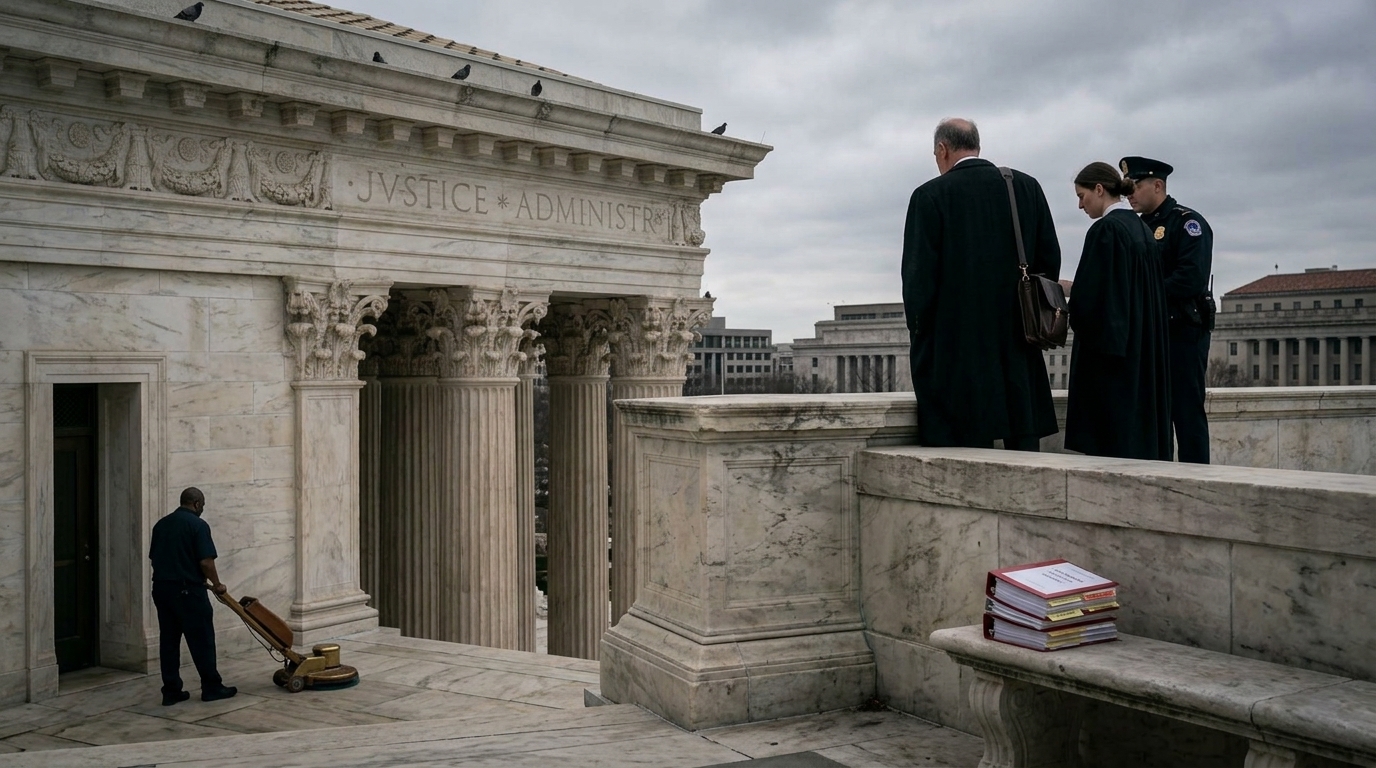
In a decision that will be cited for decades as a turning point for the U.S. Constitution, the Supreme Court has issued a verdict that fundamentally reshapes the balance of power in Washington. With a 6-3 majority, the conservative justices upheld a massive expansion of presidential authority, drastically curtailing the autonomy of the so-called "administrative state." While the Federal Reserve (Fed) appears to have temporarily preserved its independence, the message is clear: the occupant of the White House now possesses the tools to bypass bureaucracy and impose political will in an unprecedented manner.
The Erosion of the Administrative State
The core of the ruling lies in the weakening of federal agencies that for decades functioned as semi-autonomous regulators of the economy, environment, and technology. The Court ruled that the structure of many of these agencies violates the "Unitary Executive Theory," which posits that the President must have absolute control over every body exercising executive power. This practically means that the protection of agency heads from being fired without "for cause" justification is now under threat.
For the AI market, this has immense consequences. Bodies like the FTC (Federal Trade Commission) or the SEC (Securities and Exchange Commission), which have been attempting to establish ethical and competitive rules for Silicon Valley giants, now stand under the direct threat of political leadership. If their decisions do not align with the President's agenda, their leadership can be replaced in the blink of an eye, transforming AI regulation from a technocratic process into a purely political decision.
The Fed Exception and Economic Stability
Despite the sweeping nature of the decision, the Court applied a temporary "brake" regarding the Federal Reserve. The Fed remains, for now, a bastion of independence, with the justices recognizing its unique role in monetary stability. However, analysts point out that this exception is fragile. If the executive branch can control every other aspect of economic policy—from tariffs to AI subsidies—the Fed's independence will soon become a "hollow institution" within an environment of absolute presidential control.
- The ruling bolsters the "Unitary Executive Theory" of governance.
- Agencies' ability to create rules without explicit Congressional or Presidential approval is restricted.
- AI regulation will now be filtered through the current administration's political lens.
- The Fed maintains autonomy but operates in a hostile political environment.
Implications for Global Tech Governance
This U.S. shift toward a centralized power model is creating friction in international collaborations regarding AI safety. Until now, the EU and other powers engaged with independent American regulators and scientific institutes. Now, every agreement will depend directly on the whims of the White House. This could lead to a new "digital nationalism," where AI rules are not based on global safety standards but on momentary geopolitical interests.
"We are not just looking at a legal change, but a structural shift of our democracy toward a model that resembles a presidential monarchy more than a representative republic," stated a constitutional scholar from Yale University.
In this new landscape, artificial intelligence becomes the ultimate tool of power. With the President controlling regulatory agencies, AI development and deployment can be directed toward enhancing state surveillance or aggressive economic dominance, without the hurdles previously posed by independent ethics committees. History will show whether this concentration of power will lead to a new era of efficiency or a dangerous erosion of institutional checks and balances.