The history of Silicon Valley is steeped in the mantra of "move fast and break things." However, the case of The Bot Company, the new startup from Kyle Vogt—former CEO of Cruise—seems to take this mindset to a new, unsettling level. According to a recently filed lawsuit, the company allegedly converted a luxury residence in San Francisco, rented via the Airbnb platform, into a secret testing laboratory for prototype household robots, causing extensive damage and raising serious ethical questions.
The Anatomy of a "Robotic Occupation"
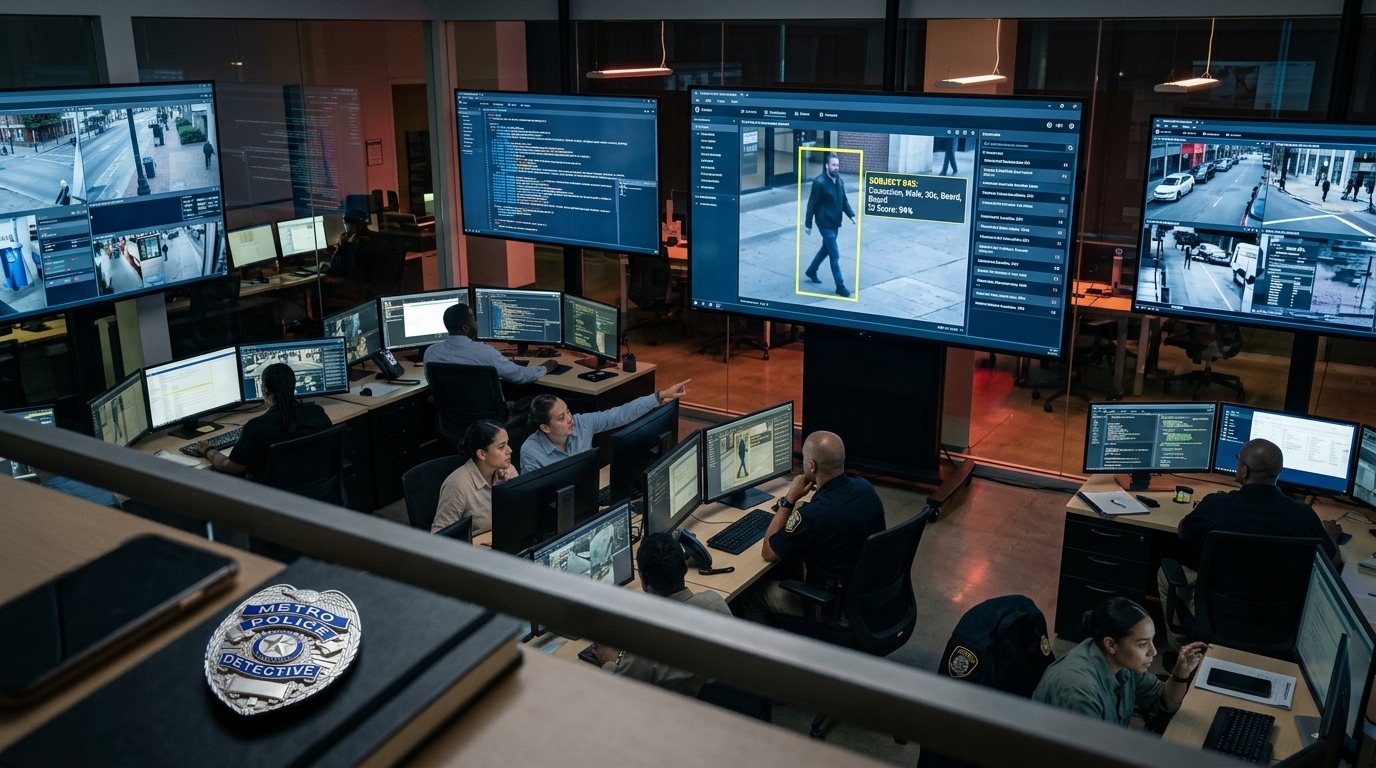
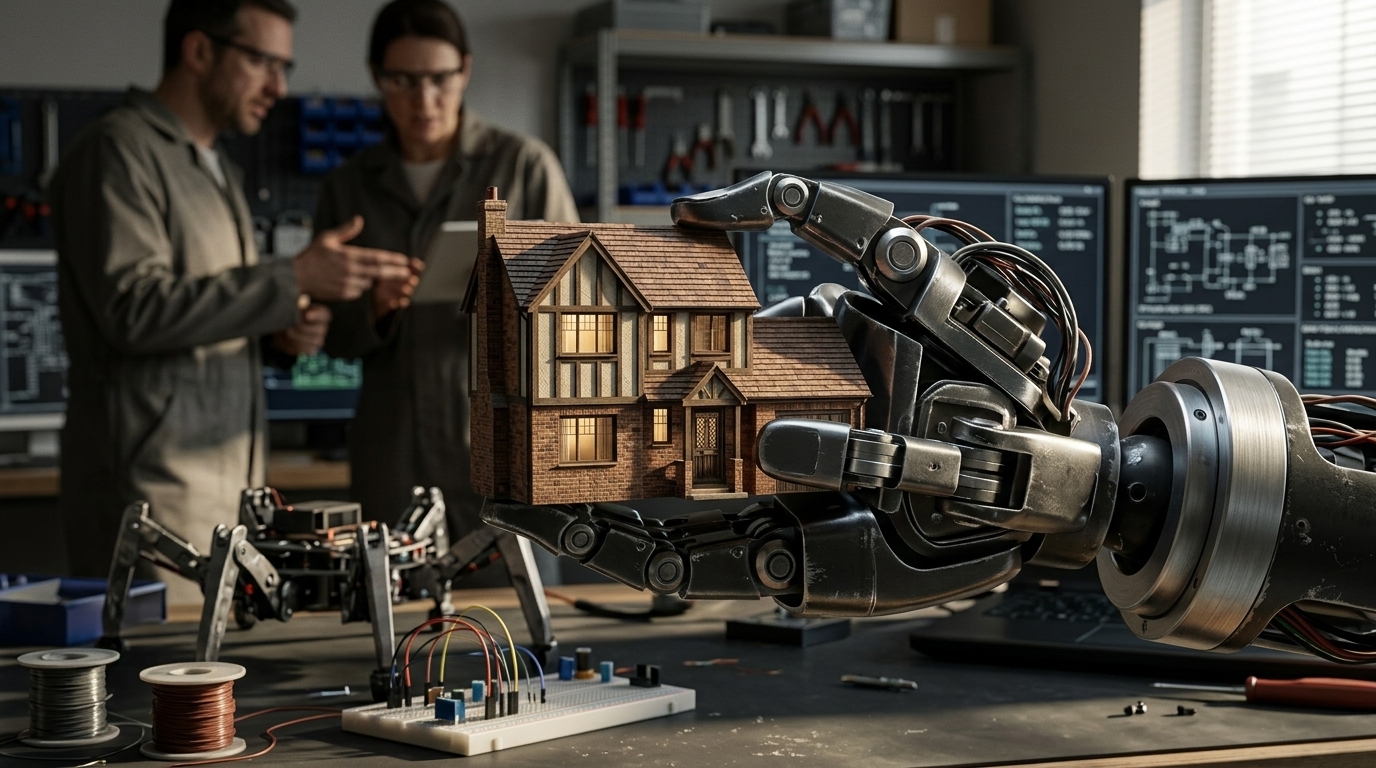
The property owner, who believed she was renting her home to a polite professional, was confronted with a scene reminiscent of a science fiction movie gone wrong. The lawsuit alleges that The Bot Company used the space to test robots equipped with cameras, LiDAR sensors, and mechanical arms, with the aim of training their artificial intelligence in real-life living conditions. The result? Floors damaged by the weight of the machinery, holes drilled into walls for monitoring equipment, and a general violation of the property's residential-only zoning status.
This incident is not merely a dispute between a landlord and a tenant. It is a symptom of the increasing pressure robotics startups face to deliver results in a field that is notoriously difficult: the domestic environment. Homes are "messy" for AI. They have varied lighting, unpredictable obstacles, and shifting layouts. For a robot to function in the real world, it must be trained in it. Yet, it appears The Bot Company chose to do so by bypassing zoning laws and contractual obligations.
The Shadow of Kyle Vogt and the Trust Deficit
Kyle Vogt is not an obscure figure. As the co-founder of Cruise, General Motors' autonomous vehicle unit, he was at the center of public scrutiny when the company was forced to suspend operations following accidents and allegations of withholding data from regulators. The founding of The Bot Company was seen as his attempt at "professional redemption." However, these new allegations suggest that the pattern of cutting corners remains active.
- Violation of Airbnb's terms of service, which explicitly prohibit commercial activities without prior approval.
- Potential infringement on the privacy of neighbors, as robots continuously recorded data in a dense urban environment.
- An ethical deficit in utilizing third-party property for the profit of a private corporation.
This attitude suggests a deeply ingrained belief among the tech elite that the end—creating the next big AI product—justifies the means. When a company uses a home as a lab without the owner's knowledge, it isn't just "innovating"; it is exploiting the lack of oversight in the gig economy.
Implications for the AI Industry
This scandal arrives at a time when public trust in artificial intelligence is fragile. If citizens begin to fear that the apartment next door might be a hidden testing ground for machines that haven't been safety-vetted, the social acceptance of robotics will take a heavy hit. Furthermore, it sets the stage for stricter legislation regarding where and how AI models can be trained in physical spaces.
"Innovation cannot serve as an excuse for the dismantling of basic rules of social coexistence and respect for private property," says a legal analyst monitoring the case.
In conclusion, the case of The Bot Company highlights the need for a new ethical framework in robotics. The transition from the lab to the home must be characterized by transparency and consent, not by clandestine rentals and irresponsible practices. The future of robotic domestic assistance is promising, but if its foundation is built on scandals and deception, the road to widespread adoption will be long and arduous.