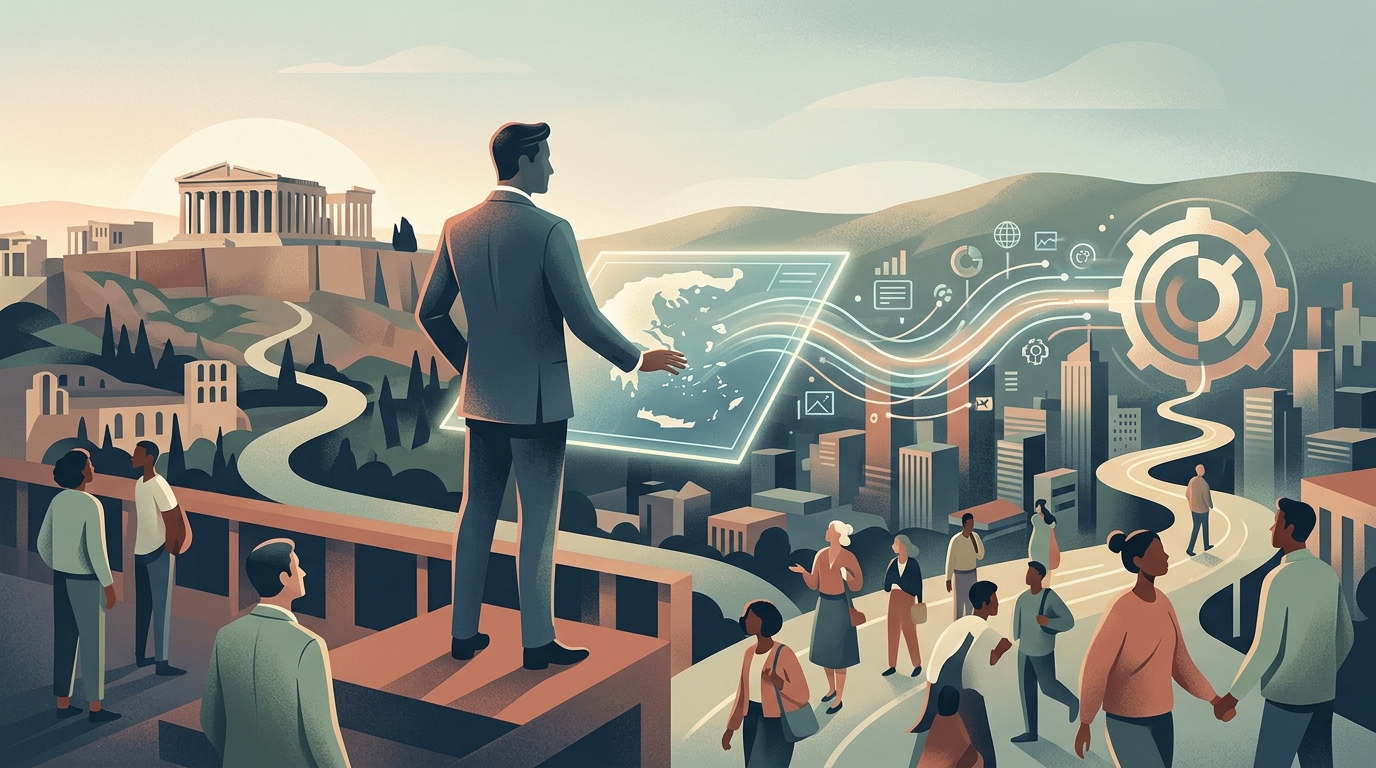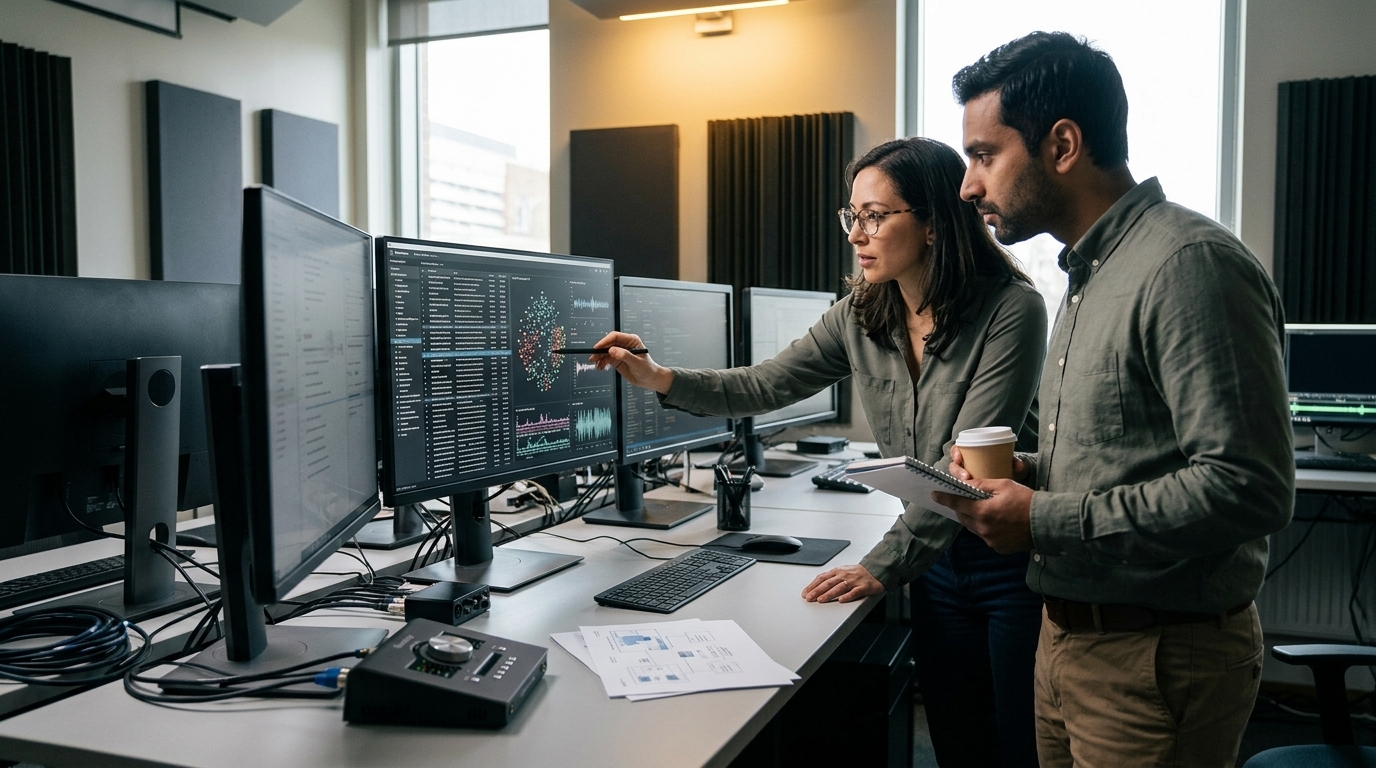
The era of strategic ambiguity for generative AI companies is drawing to a close as investigative journalism begins to pierce the veil of training datasets. In what is being hailed as a watershed moment for transparency, Alex Reisner of The Atlantic has uncovered a series of massive datasets containing millions of music tracks used to train AI models without the consent of their creators. Most significantly, The Atlantic has launched a searchable tool that allows artists and record labels to verify if their work has been ingested by these algorithms.
Anatomy of a Digital Harvest
The investigation focused on four specific datasets. Two of them are truly gargantuan, containing 12 million and 9 million tracks respectively. While some of this data originates from sources like the Free Music Archive (FMA) or MTG-Jamendo—which often utilize Creative Commons licenses—the transition from academic research to commercial exploitation creates a profound ethical and legal vacuum. These datasets are not merely statistics; they represent decades of accumulated human creativity now being used to generate competing products that threaten the very livelihood of musicians.
The issue is exacerbated by the fact that many of these databases were initially compiled for research purposes within university settings. However, in the AI arms race, the lines between 'research' and 'profit-seeking' have become desperately blurred. Companies like Suno and Udio, currently at the center of legal battles with the music industry, appear to have relied on such 'open' data to build sophisticated models capable of mimicking the style, timbre, and structure of established artists with haunting precision.
The Copyright Clash and the 'Fair Use' Gambit
Tech companies often retreat behind the doctrine of 'Fair Use,' arguing that training a model does not constitute copying the work but is rather a transformative process that extracts mathematical patterns. However, the music industry, led by the RIAA, is striking back. The Atlantic’s revelation provides the 'smoking gun' that was previously missing: a concrete trail from protected works to the trained model. The existence of a searchable database removes the cloak of anonymity and opacity that allowed Big Tech to operate in the shadows.
- Transparency: For the first time, creators have a tool for verification and audit.
- Legal Documentation: These findings can serve as evidence in ongoing and future litigation.
- Ethical Accountability: It highlights the urgent need for an 'opt-in' framework rather than the current practice of arbitrary scraping.
"This isn't just about data. It's about the intellectual property of people who dedicated their lives to art, only to see their work used to potentially replace them," Reisner’s analysis suggests.
Toward a New Social Contract for Creativity
The Atlantic’s move is more than a journalistic scoop; it is an act of information activism. As AI continues to evolve, the question is no longer whether we will use AI in music, but how we ensure its sources are legal and ethically sourced. The industry is at a tipping point where it must decide if innovation will continue to be built on 'digital piracy' or if it will be constructed on a foundation of mutual respect and fair compensation.
On a European level, the AI Act already mandates stricter transparency obligations for general-purpose AI models. This investigation bolsters the position of those demanding to know exactly what lies inside the 'black boxes' of algorithms. The future of music depends on our ability to protect the human spark from unchecked automation.