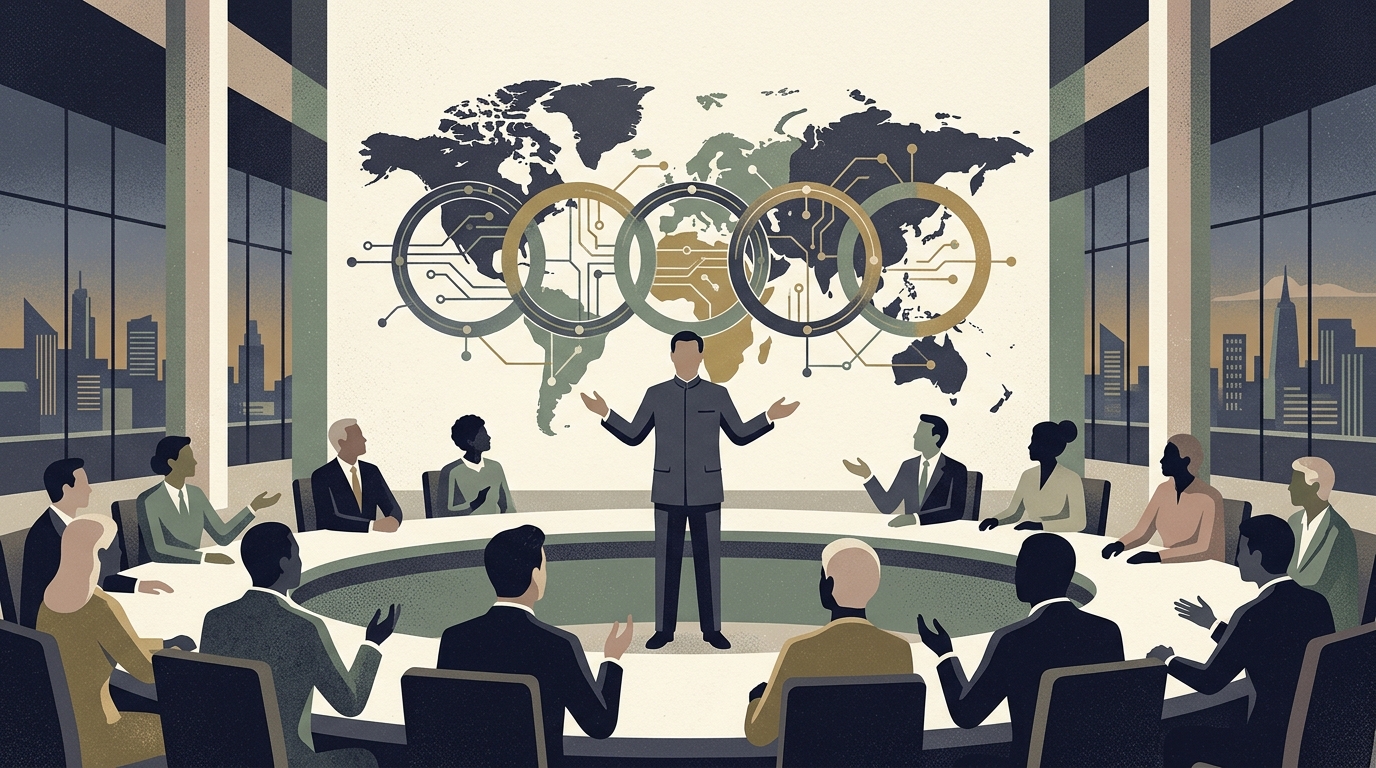
At the dawn of the mid-2020s, humanity faces a triple challenge that is redefining the concepts of value, faith, and labor. The recent intervention by Pope Francis regarding Artificial Intelligence (AI), combined with growing calls for a return to "sound money," creates a new field of dialogue where technology meets moral philosophy and economic theory. This is not merely a discussion about algorithms, but a fundamental quest for the human place in a world automating at breakneck speeds.
Algor-ethics and the Papal Mandate
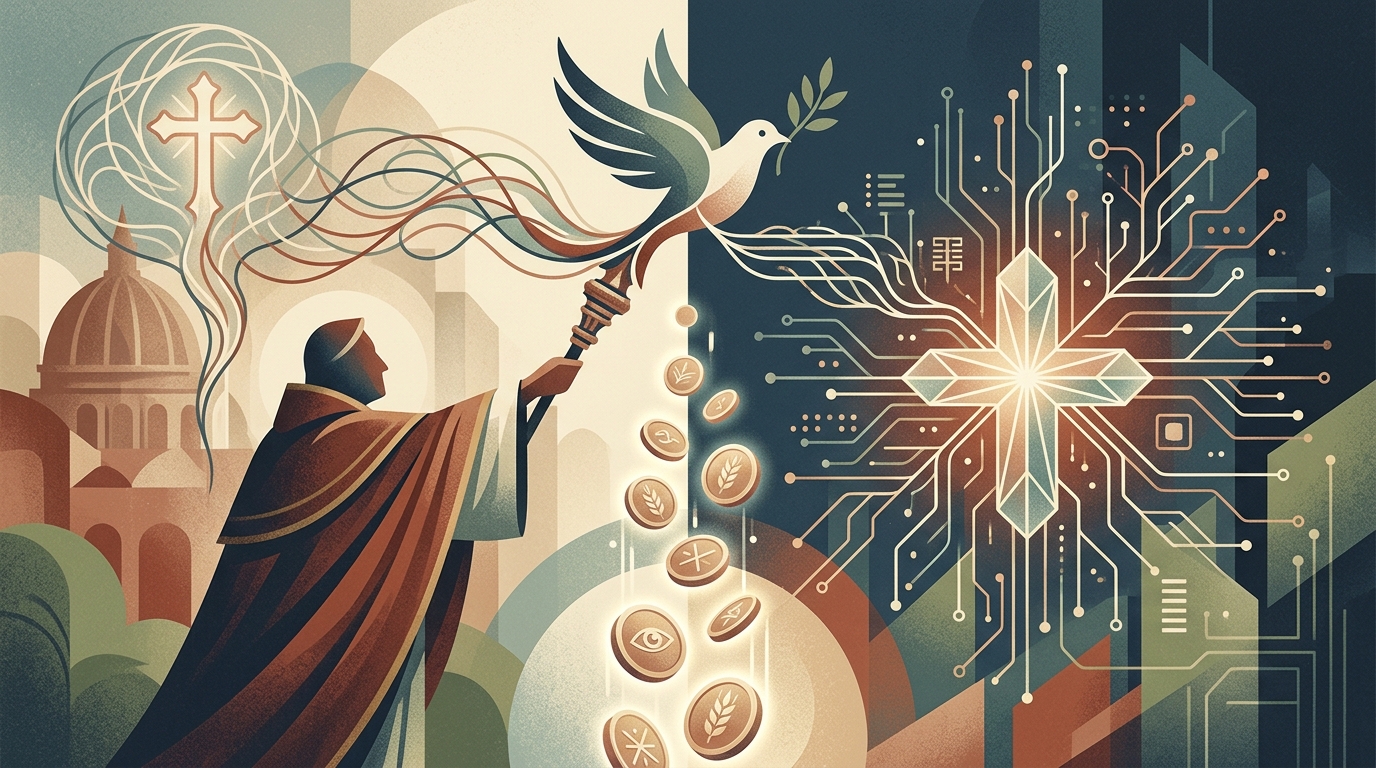
Pope Francis is no stranger to technological challenges. By introducing the term "algor-ethics," the Vatican seeks to place a moral framework around the development of AI. The core idea is simple yet profound: technology must serve humanity, not the other way around. In an era where algorithms determine everything from credit access to job hiring, the Church warns of the danger of a new form of exclusion. AI, if left unchecked, can exacerbate existing inequalities, creating a two-tier society: those who control the algorithms and those controlled by them.
The Pontiff's stance emphasizes that technological progress does not necessarily equate to human progress. The ethical dimension of AI is not just about avoiding bias in code, but about ensuring that automation does not lead to the depersonalization of society. As noted in recent essays, this convergence requires a multidisciplinary approach where theologians, data scientists, and economists collaborate for the common good.
The Connection to Sound Money
This is where the concept of "sound money" enters the fray. Historically, sound money refers to a currency that is not subject to arbitrary devaluation by central authorities, maintaining its purchasing power over time. But how does this relate to AI? The answer lies in the concepts of scarcity and value. AI promises an era of abundance, where the cost of producing goods and services will drop drastically. However, this abundance risks being undermined by a monetary system based on debt and inflation.
- Monetary stability as a moral imperative: A currency that loses its value punishes savers and the most vulnerable, directly contradicting the social teachings of the Church.
- AI and Productivity: If AI increases productivity but the benefits are absorbed by monetary expansion, the average worker will never see an improvement in their standard of living.
- Transparency and Decentralization: Both ethical AI and sound money require transparency. Opaque algorithms and opaque monetary policies are two sides of the same coin of power.
The Threat of Digital Feudalism
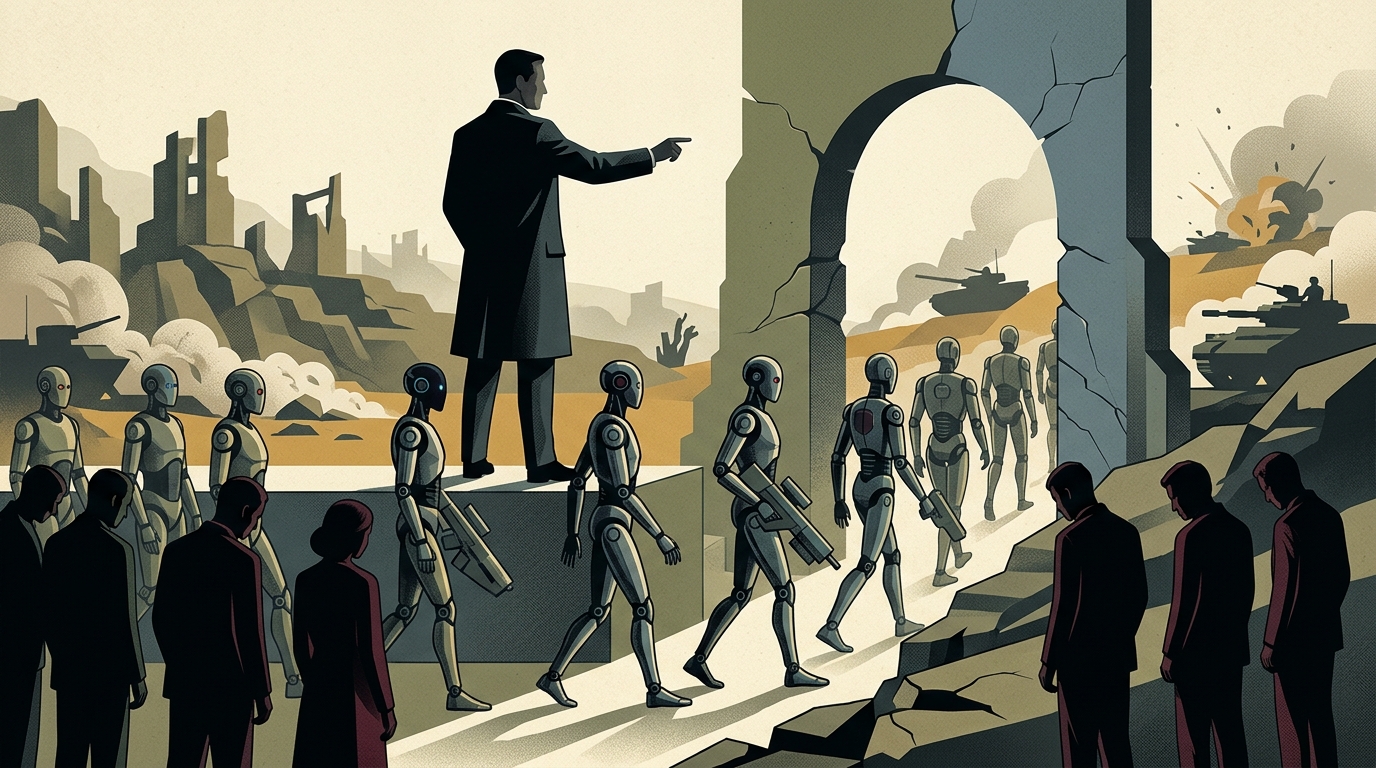
The concern expressed in circles such as the Eurasia Review is that the combination of powerful AI and an unstable economic system could lead to "digital feudalism." In this scenario, large tech companies and financial institutions concentrate all wealth and information, while the majority of the population depends on state subsidies (like Universal Basic Income) paid in devalued currency. Pope Francis has repeatedly spoken against an economy that "kills," and the coupling of unregulated AI with financial manipulation is the epitome of this danger.
"Technology is a manifestation of human creativity, but it must be accompanied by an ethical responsibility that protects the dignity of every individual," the Vatican states.
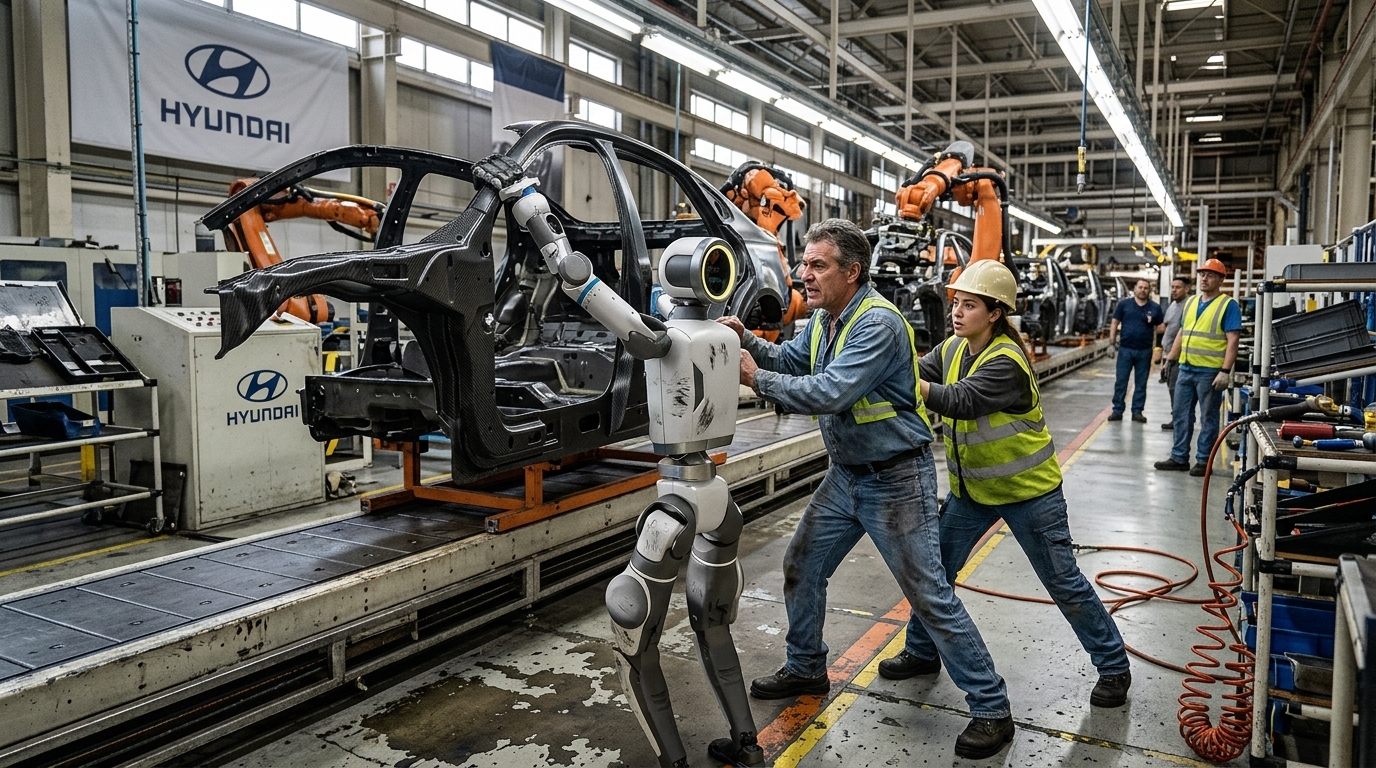
The challenge for 2026 and beyond is the creation of a new social contract. This contract must include ensuring that AI is used to solve global problems—such as climate change and poverty—and not just to maximize profit by replacing human labor. Simultaneously, a return to monetary principles that protect the value of labor is essential to ensure that the technological revolution benefits the many, not the few.
Conclusion: Towards a New Humanism
The convergence of the Pope’s voice with economic theories of sound money in the age of AI is no coincidence. It reflects a deep need for stability in a rapidly changing world. Ethics in technology and justice in economics are the two pillars upon which a new humanism can be built. As we move forward, our ability to integrate these values into our machines and our monetary systems will determine whether AI will be the liberation or the enslavement of humanity.