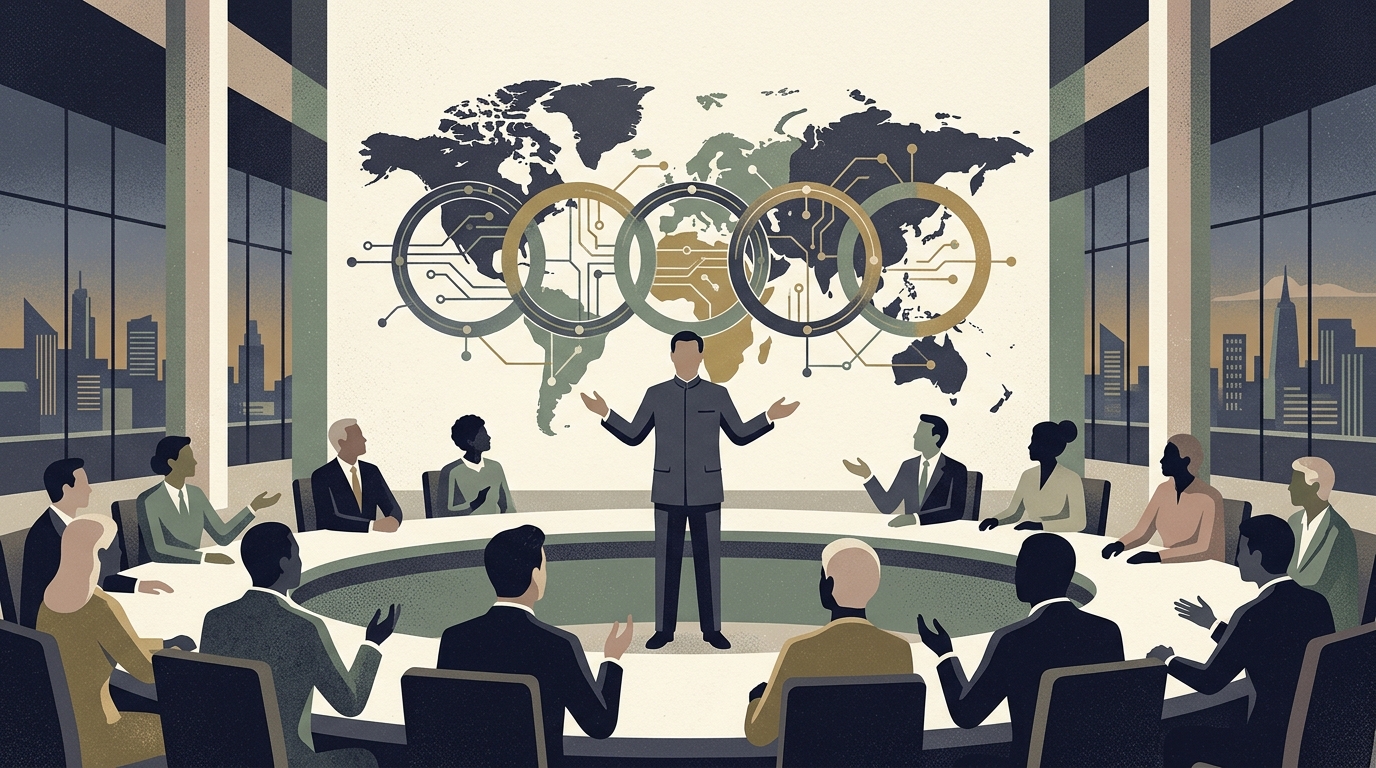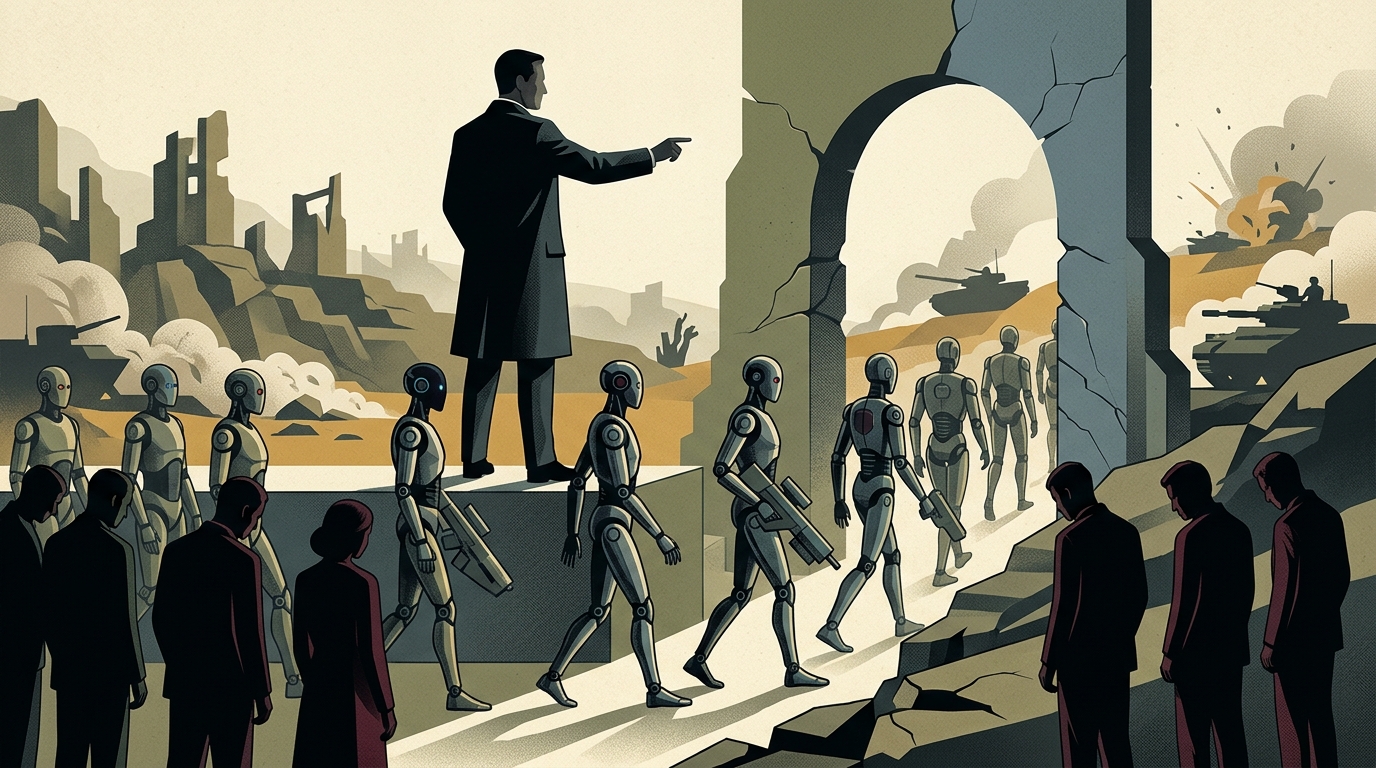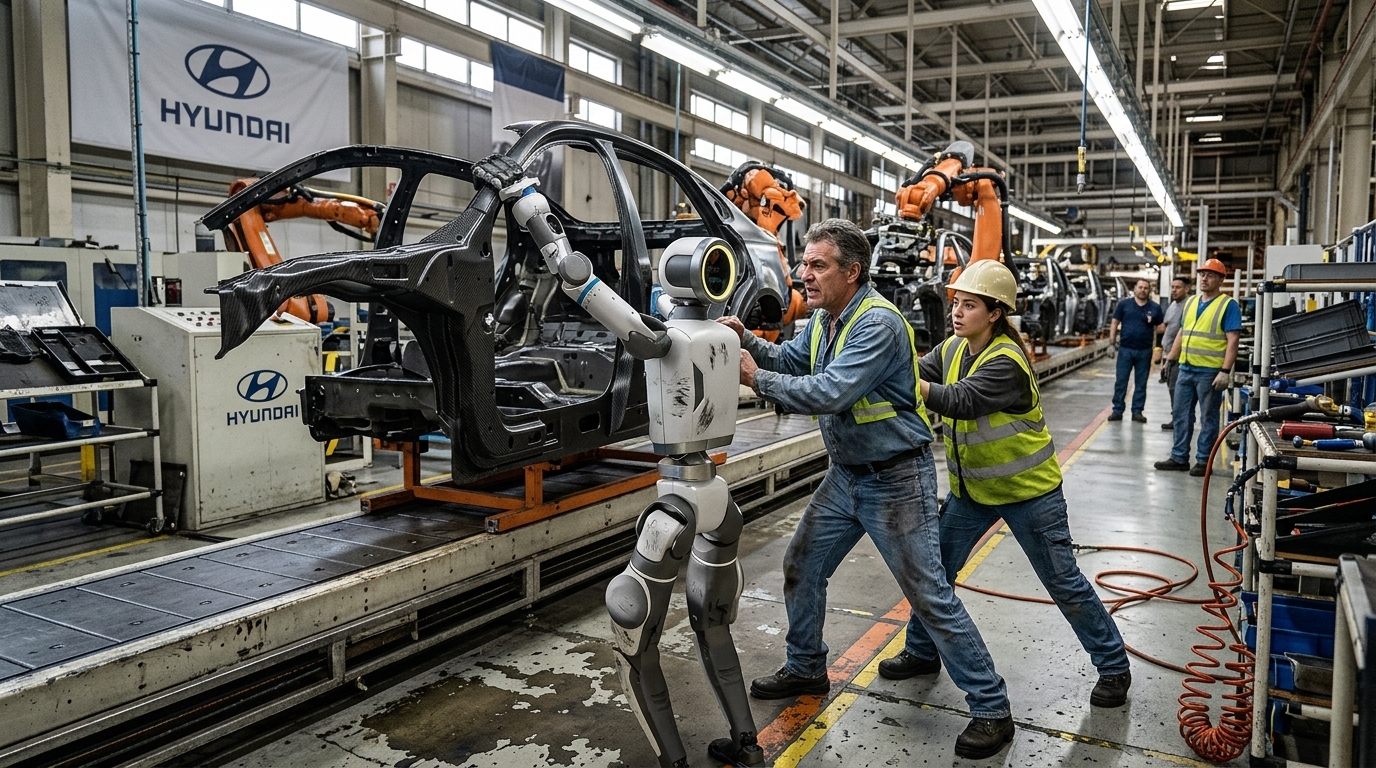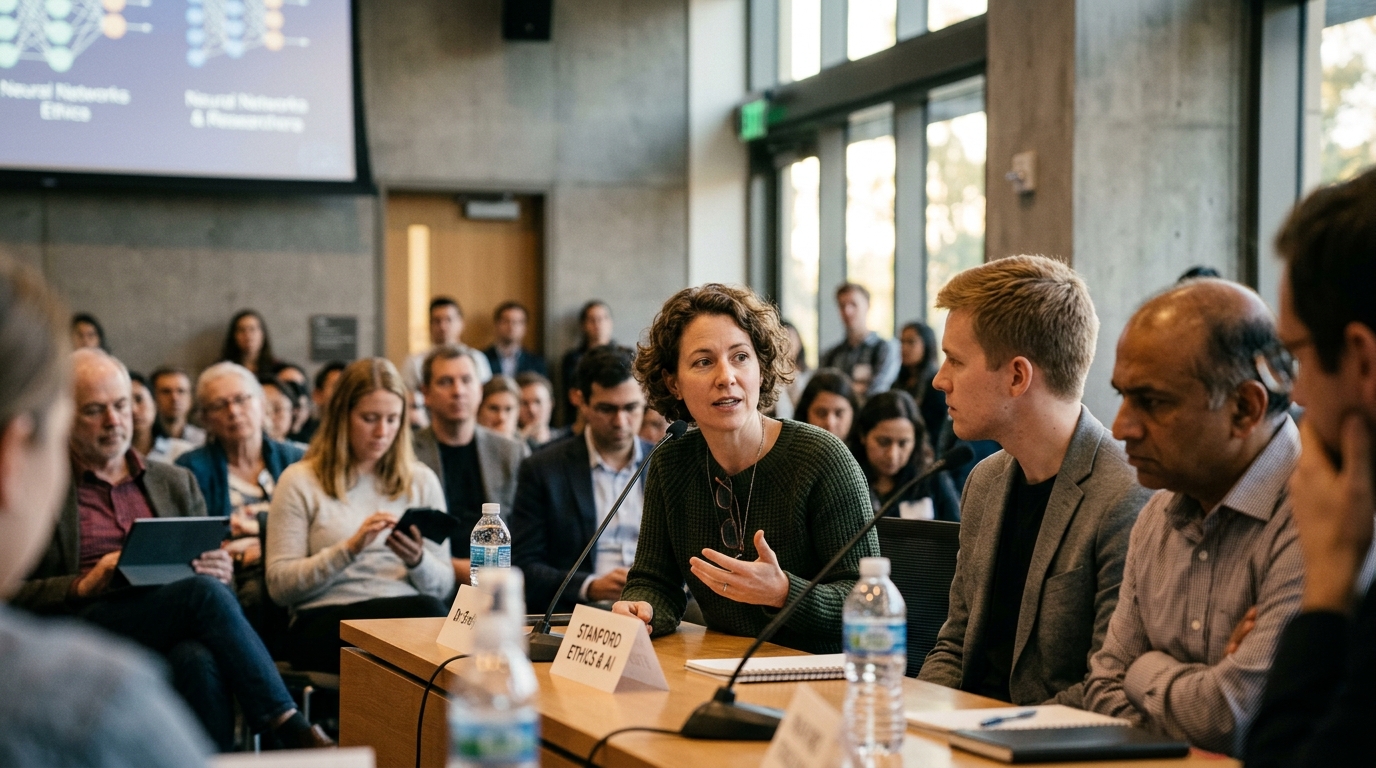
For decades, Silicon Valley was dominated by a specific archetype: the engineer who follows the "move fast and break things" mantra and the developer who views the world through binary code. However, 2026 finds the world's largest tech companies—from Google and Microsoft to Anthropic and OpenAI—opening their doors to an unexpected group of professionals: philosophers. Hiring experts in ethics, epistemology, and logic is no longer a PR stunt; it is a strategic survival move in a world where AI is touching the boundaries of human cognition.
The Alignment Problem and the Ethics of Data
The central issue occupying Silicon Valley philosophers is the so-called "Alignment Problem." How can we ensure that an AI system, whose intelligence may soon surpass our own, remains aligned with human values? The problem is that "human values" are not a uniform dataset. This is where moral philosophy steps in.
Philosophers are tasked with translating abstract concepts like justice, autonomy, and flourishing into rules that can guide the training of Large Language Models (LLMs). When an AI is asked to decide how to respond to a politically sensitive question or how to prioritize lives in an autonomous vehicle accident scenario, it doesn't just need more flops (floating-point operations); it needs an ethical framework. Applying Jeremy Bentham’s utilitarianism or Immanuel Kant’s deontology is no longer a theoretical exercise—it is becoming part of the codebase.
The Socratic Method as a Training Tool
One of the most fascinating applications of philosophy in AI is the use of the Socratic method in Reinforcement Learning from Human Feedback (RLHF). Instead of trainers simply providing "right" or "wrong" labels, philosophers design dialogue trees that force the model to "reflect" on the consequences of its outputs.
- Challenging biases through logical consistency checks.
- Analyzing the semantics of words to prevent sophisticated misinformation.
- Drafting "constitutions" (Constitutional AI) that govern model behavior.
"We don’t hire philosophers to tell us what is right, but to help us ask the right questions before the technology provides its own, irreversible answers," says an ethics lead at Anthropic.
Regulatory Compliance or Ethics Washing?
There is, of course, a skeptical perspective. Many wonder if the sudden corporate love for philosophy is an attempt to preempt strict legislation, such as the European Union’s AI Act. By hiring high-profile academics, companies may be creating a veneer of moral superiority while continuing the unchecked accumulation of data and power.
However, the reality on the ground suggests that philosophers often clash with engineers and shareholders. Their presence acts as an internal "conscience" that puts the brakes on blind development. At the end of the day, AI is a mirror of humanity. If the mirror is distorted, the fault lies not with the technology, but with the moral fabric from which it was woven. Returning to the roots of thought may be our only guarantee for a future where the machine serves humanity, and not the other way around.