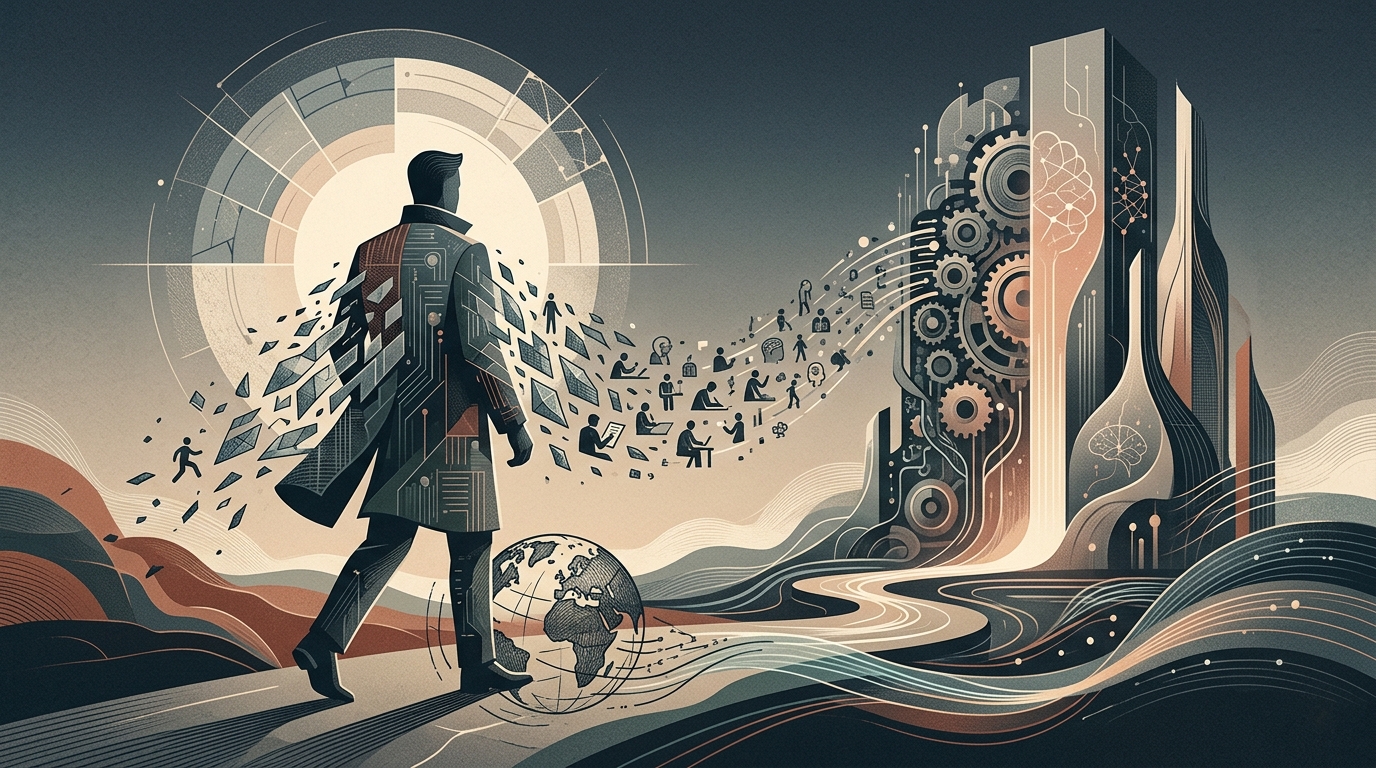
In an era where technological euphoria often overshadows critical inquiry, Satya Nadella, the visionary who propelled Microsoft to the zenith of global market valuation through strategic investments in OpenAI, has issued a statement that is sending ripples through the global market. His warning is not merely about a technological transition but a structural overhaul of the global economy, where Artificial Intelligence (AI) ceases to be just a tool and becomes a catalyst for 'creative destruction' capable of obliterating entire industries.
The Anatomy of Disruption: Sectors in the Crosshairs
Nadella’s analysis focuses on the velocity at which Generative AI is being integrated into business processes. Historically, technological revolutions took decades to mature. The current revolution, however, is unfolding in months. Industries such as customer service, software engineering, translation, and even legal research are seeing their foundations tremble. According to Nadella, AI is not just a new tool; it is a fundamental shift in how knowledge and services are produced, rendering traditional methods obsolete.
The media and content creation sectors are at the forefront of this upheaval. The ability of Large Language Models (LLMs) to synthesize information and generate text, images, and video at near-zero marginal cost threatens the very business models of publishers and advertising agencies. Nadella points out that value will shift from mere information production to authenticity, critical analysis, and lived human experience—elements that AI still struggles to replicate authentically.
The Ethical Paradox and Corporate Responsibility
There is a profound irony in the fact that the leader of the company pushing AI more aggressively than any other is the one warning of its destructive potential. This 'ethical paradox' reflects a deeper concern for social stability. Nadella argues that tech giants have a responsibility to ensure that this transition does not leave millions of workers stranded without a future. However, the corporate rhetoric surrounding 'reskilling' often clashes with the reality of a labor market where the new roles being created require hyper-specializations that the bulk of the workforce does not possess.
"We cannot ignore the fact that every technological leap comes with a price. Our challenge is to minimize the destruction and maximize the opportunity," Nadella frequently asserts in high-level forums.
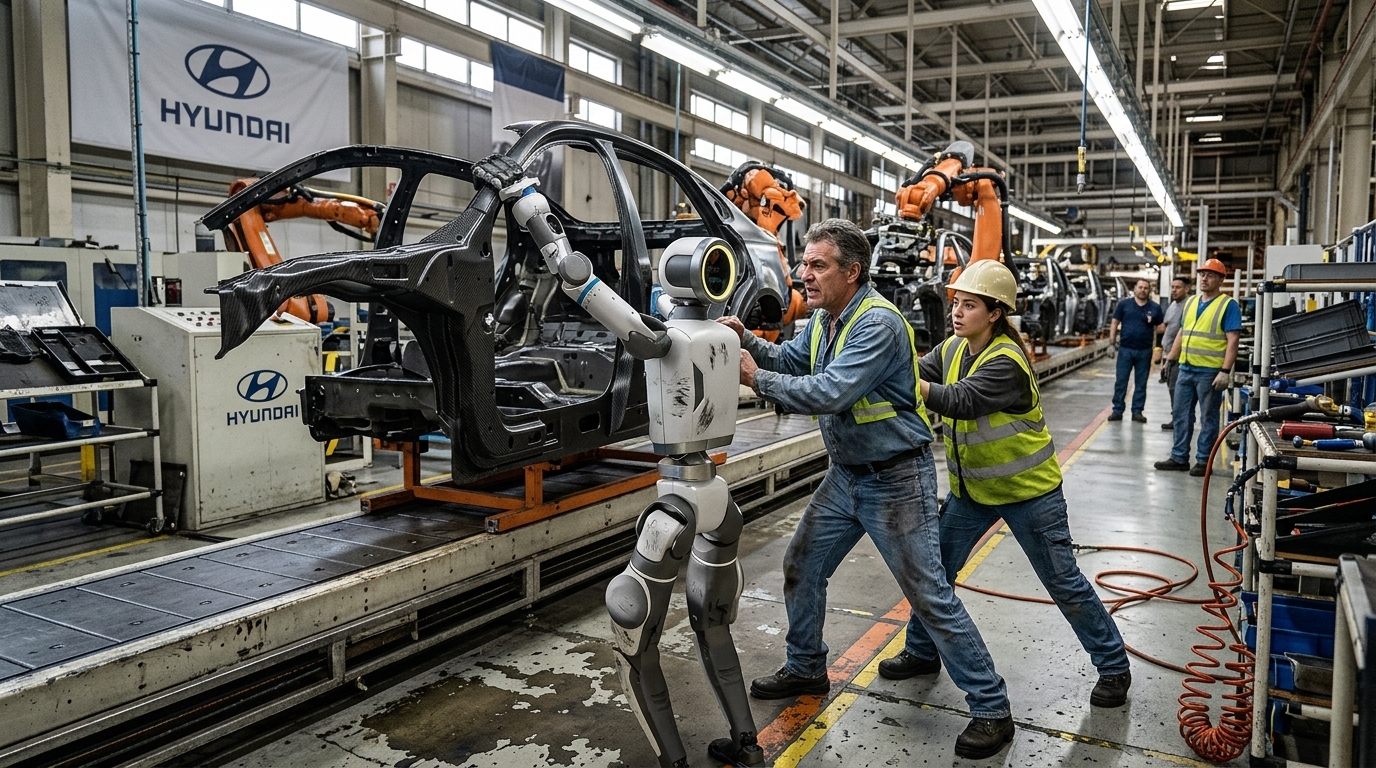
Microsoft, through its Copilot suite, attempts to brand AI as a supportive assistant for the worker. Yet, the line between an assistant and a replacement is vanishingly thin. When an AI can perform the tasks of a ten-person team, businesses will inevitably prioritize cost reduction, leading to what Nadella describes as 'industrial erosion.'
Geopolitics and the Widening Global Divide
Another critical dimension of Nadella’s warning pertains to the gap between nations. The countries controlling the AI infrastructure—primarily the US and China—stand to gain an unimaginable economic advantage. Developing economies that rely on low-cost service exports (such as call centers in India or the Philippines) risk seeing their comparative advantages evaporate overnight. AI does not just destroy industries; it has the potential to redraw the global map of power, creating new forms of technological dependency.
Nadella calls on governments to act urgently, not necessarily by banning the technology, but by crafting a new social contract. This includes regulating AI usage, protecting intellectual property, and potentially taxing automation-driven profits to fund social safety nets. The 'destruction' he warns of is ultimately a choice: if left to the whims of the market, it will be chaotic; if guided by policy, it could lead to a new age of productivity.
Conclusion: Survival in the Age of Intelligence
Satya Nadella’s message is unmistakable: the era of complacency is over. Businesses that refuse to adapt will perish, and workers who do not embrace these new tools will find themselves marginalized. Artificial Intelligence is a force of nature within the digital economy. The Microsoft CEO’s warning is not a pessimistic prophecy but a pragmatic call to arms. The destruction of old industries is already underway; the real question is what we will choose to build upon their ruins.