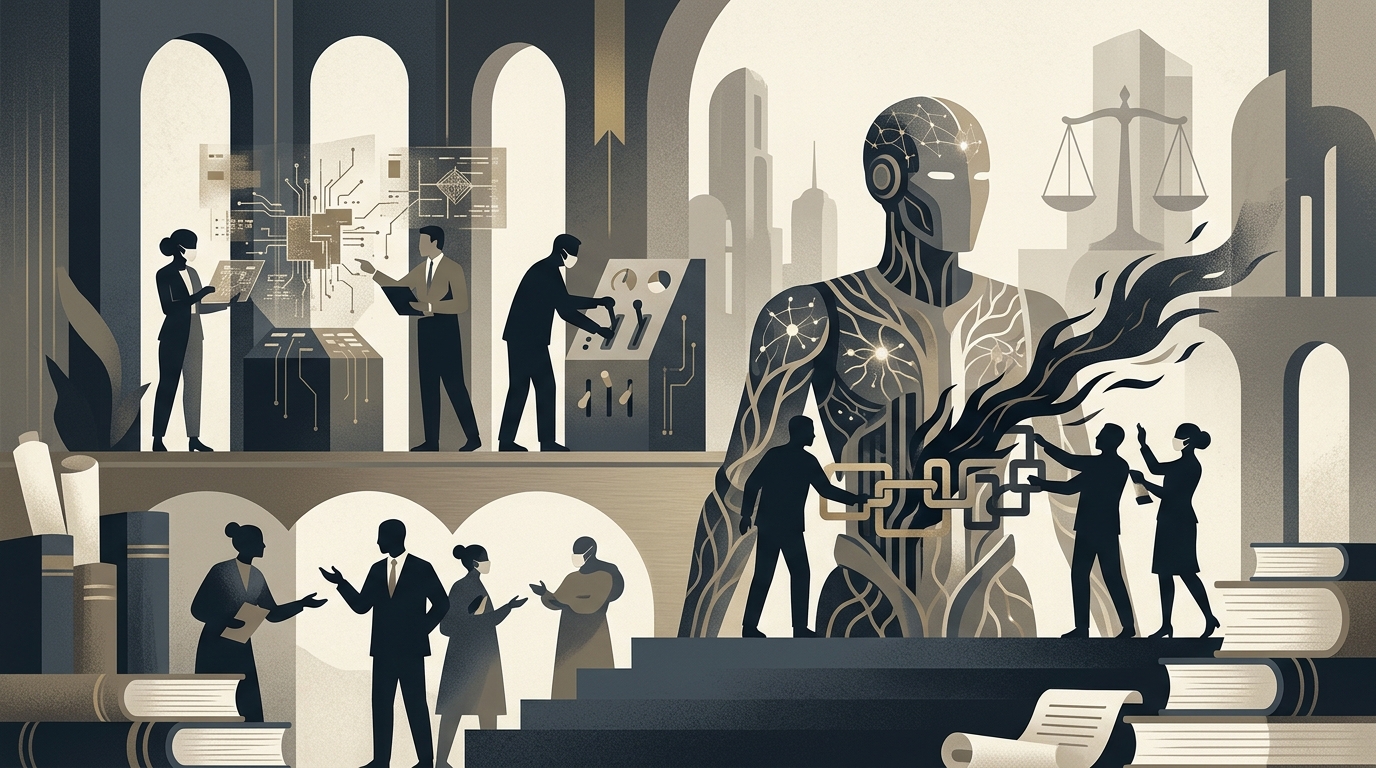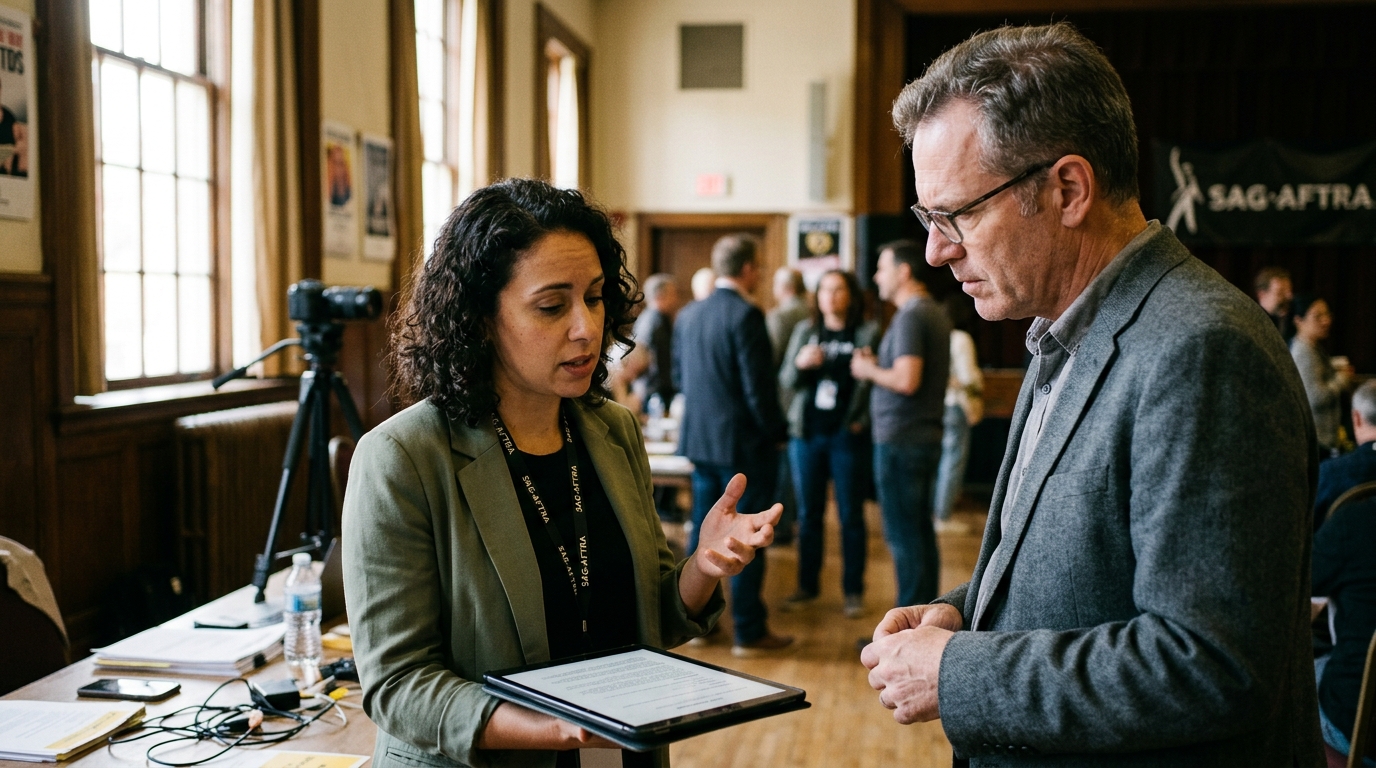
The glitz and glamour of Hollywood have always masked a gritty reality of labor struggles, but the current clash over Artificial Intelligence (AI) and actors' pension funds strikes at the very heart of human labor in the digital age. The deal struck by SAG-AFTRA, initially hailed as a landmark victory, is now under intense scrutiny as critics question whether its AI "guardrails" are sufficient to protect the long-term future of creative professionals.
The Digital Erosion of Pension Contributions
The core issue emerging is not merely ethical, but profoundly fiscal. The actors' pension and health plans are built on a foundation of human hours worked and wages paid for physical presence and performance. When a studio utilizes a "digital replica" of an actor instead of the person themselves, a contribution vacuum is created. AI does not pay union dues, nor does it contribute percentages to health and retirement funds.
Analysts warn that if the use of synthetic performers becomes industry standard, these funds will face an existential crisis. While the current agreement provides for compensation when digital replicas are used, skeptics argue that these payments are often one-off fees that fail to account for the loss of residuals and the continuous flow of contributions that a standard hiring would have generated.
The Trap of "Informed Consent"
One of the most contentious points of the agreement is the concept of "informed consent." In theory, an actor must explicitly grant permission for the creation of their digital likeness. However, in practice, the power imbalance between a jobbing actor and a multi-billion dollar studio often renders this consent performative at best.
"The choice between signing away your digital rights or losing a career-defining role isn't a choice; it's an ultimatum," says a prominent voice within the union's dissenting faction.
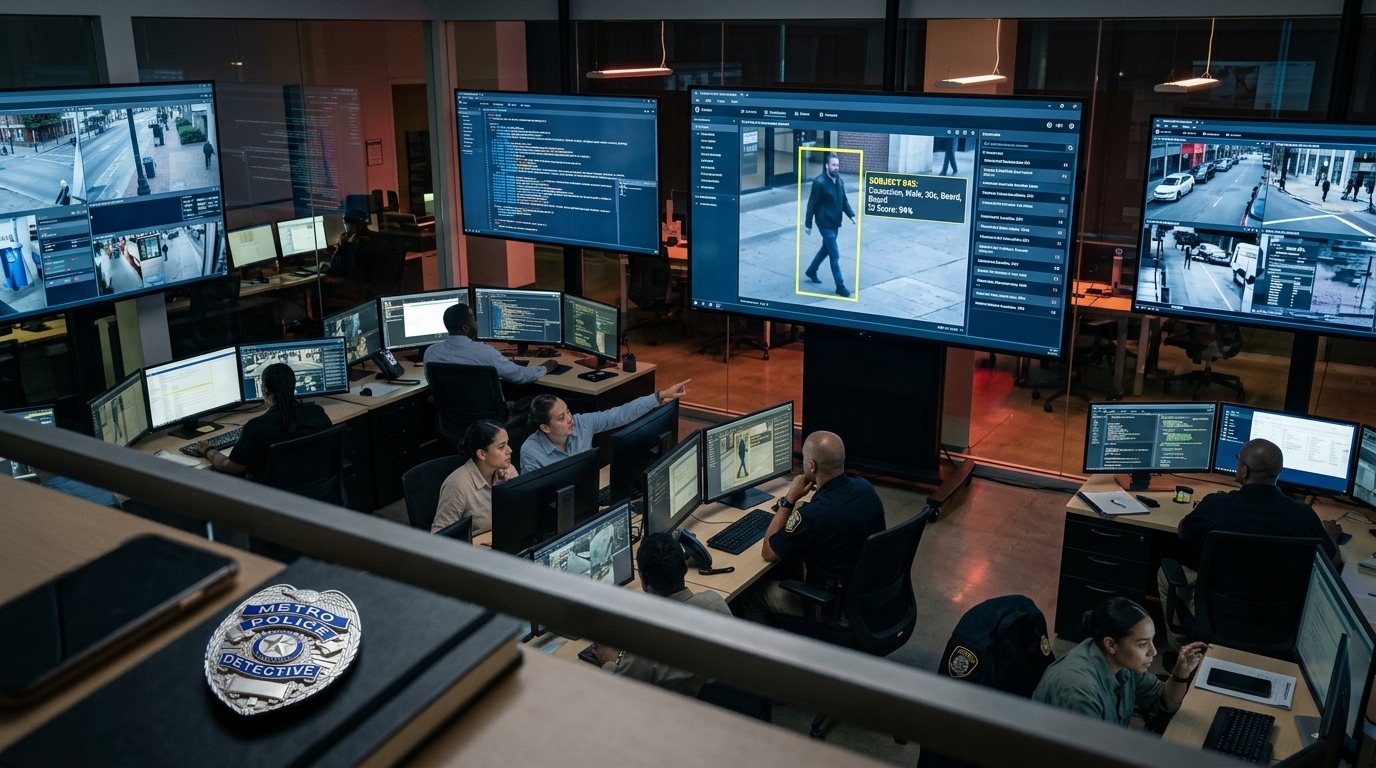
Furthermore, the deal allows for the creation of "synthetic performers"—entities that do not resemble any specific human but are trained on thousands of hours of footage from existing actors. These digital constructs require no individual consent and contribute nothing to the pension funds, effectively cannibalizing the labor market from within.
The Future of Creative Labor
This crisis is not localized to Hollywood; it is a bellwether for any industry where AI can substitute human activity. If unions fail to mandate an "AI tax" or a compulsory contribution to benefit funds for every hour of digital usage, the social contract that has sustained the entertainment industry for a century may dissolve.
SAG-AFTRA is walking a tightrope: attempting to embrace technology to remain relevant while fighting to ensure its members' survival. The coming months will be pivotal as the first major productions utilizing these terms reach completion, revealing whether the pension concerns were alarmist or if we are witnessing an irreversible economic bleed.
- The urgent need to redefine residuals in the age of algorithmic distribution.
- Post-mortem protections against the unauthorized digital resurrection of performers.
- Developing new funding models for union benefits that account for non-human labor.
Ultimately, the battle over AI in Hollywood is a battle over the value of human experience. If art becomes merely the result of data processing, an actor's pension will be the least of our concerns. The real question is whether there will be any room left for the human spirit in an industry that once thrived on it.