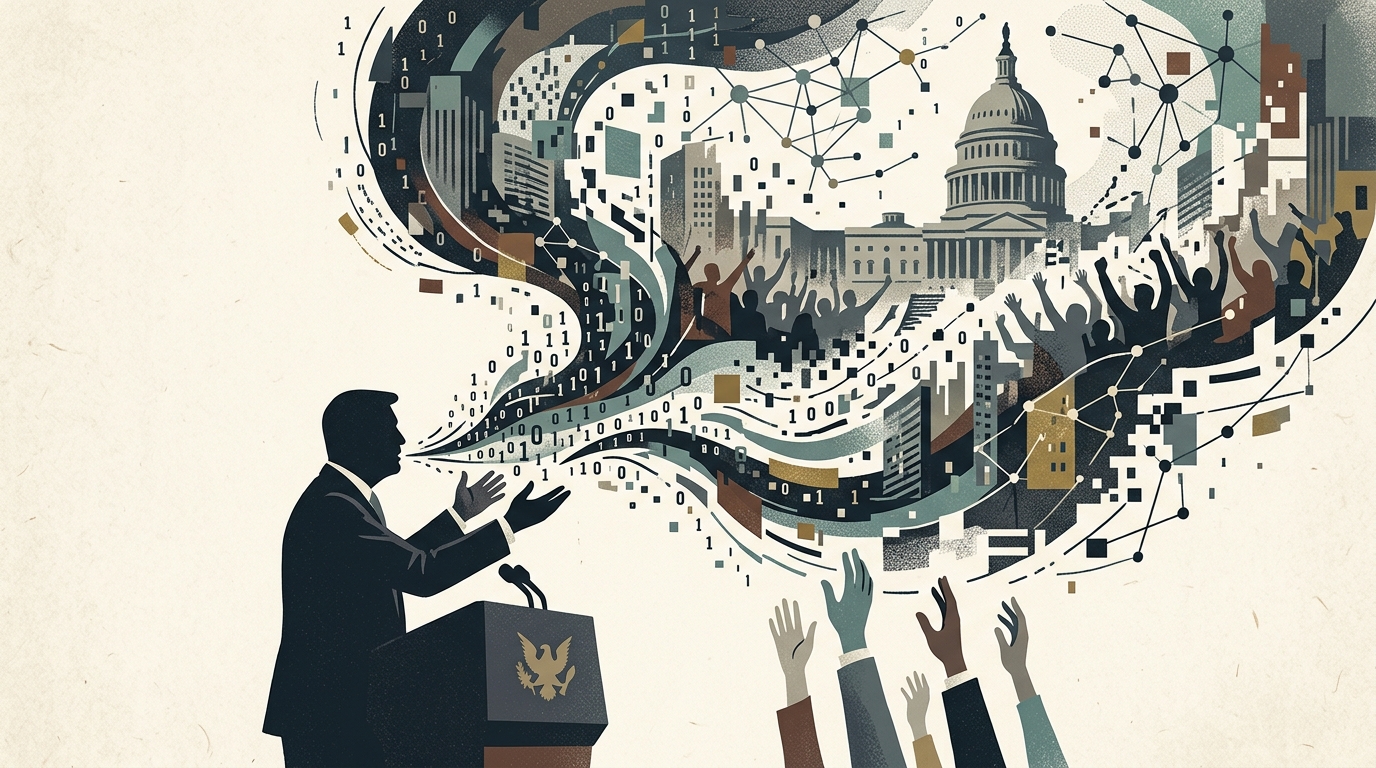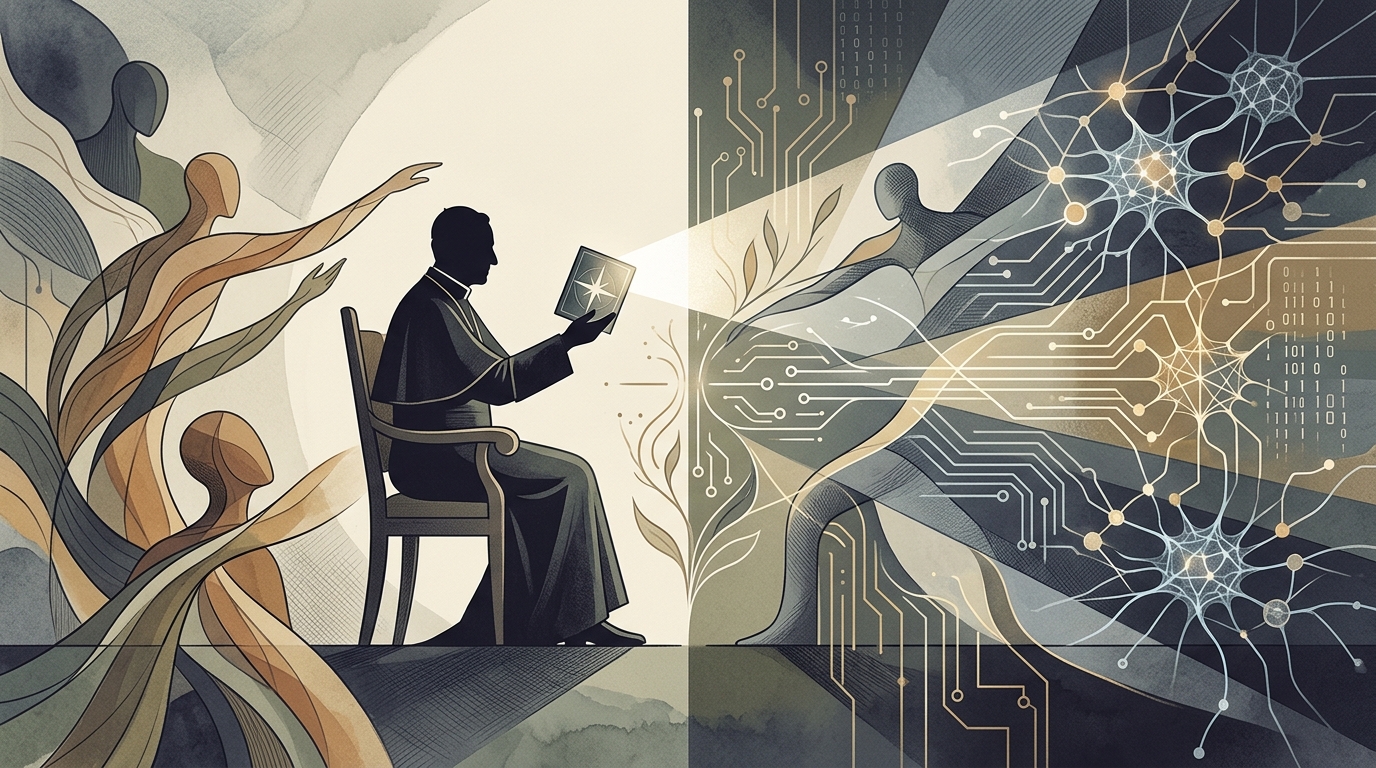
In a historic move that underscores the growing influence of technology on the human condition, the Vatican has announced that Pope Leo XIV will publish a new encyclical on May 25, 2026, focusing on Artificial Intelligence (AI). This move is not merely a religious intervention but an attempt by the Catholic Church to define the moral framework within which technology should evolve, at a time when algorithms are beginning to make life-and-death decisions.
The Emergence of 'Algor-ethics'
The term 'algor-ethics,' which the Vatican has been promoting for several years, is expected to be the cornerstone of the encyclical. Pope Leo XIV, known for his keen interest in the social implications of technology, is expected to argue that AI is not a neutral tool. On the contrary, it carries the values, biases, and intentions of its creators. The encyclical will emphasize the need for a 'human-centric' approach, where technology serves human dignity rather than undermining it.
According to sources at the Holy See, the text will focus on three key pillars: accountability, transparency, and inclusion. The Church is particularly concerned about how automation could lead to further marginalization of the poor and vulnerable, creating a new form of 'digital feudalism.'
The Threat to Human Labor and Social Cohesion
A significant portion of the encyclical is expected to be dedicated to the impact of AI on the labor market. Pope Leo XIV is anticipated to warn that the unbridled replacement of human labor by machines could lead to a crisis of meaning for humanity. In Catholic theology, work is not just a means of survival but a way for the individual to participate in creation. The loss of this connection could have devastating consequences for mental health and social stability.
- The need for global regulatory frameworks that transcend national interests.
- The protection of personal data as a fundamental human right.
- Ensuring that AI is not used for the development of lethal autonomous weapons systems.
The Pope is expected to call on the leaders of Silicon Valley tech giants to embrace their responsibilities, reminding them that innovation without ethics is an empty promise that can turn into a threat.
From Silicon to the Soul: The Stake of Human Uniqueness
Perhaps the most provocative part of the encyclical will concern the nature of consciousness. In an era where Large Language Models (LLMs) appear to simulate human thought, the Church is moving to set boundaries. The Pope will emphasize that no matter how sophisticated an algorithm is, it lacks a 'soul' and the capacity for moral judgment that stems from empathy and faith. This distinction is crucial to prevent the idolatry of technology.
"Technology is a gift from God, but when the machine begins to be seen as the creator and the judge, then man loses his freedom," reads a leaked draft of the text.
The encyclical 'In Veritate et Technologia' (In Truth and Technology) is expected to become a point of reference not only for the faithful but also for lawmakers worldwide, as the European Union and the United States attempt to finalize rules for AI oversight.