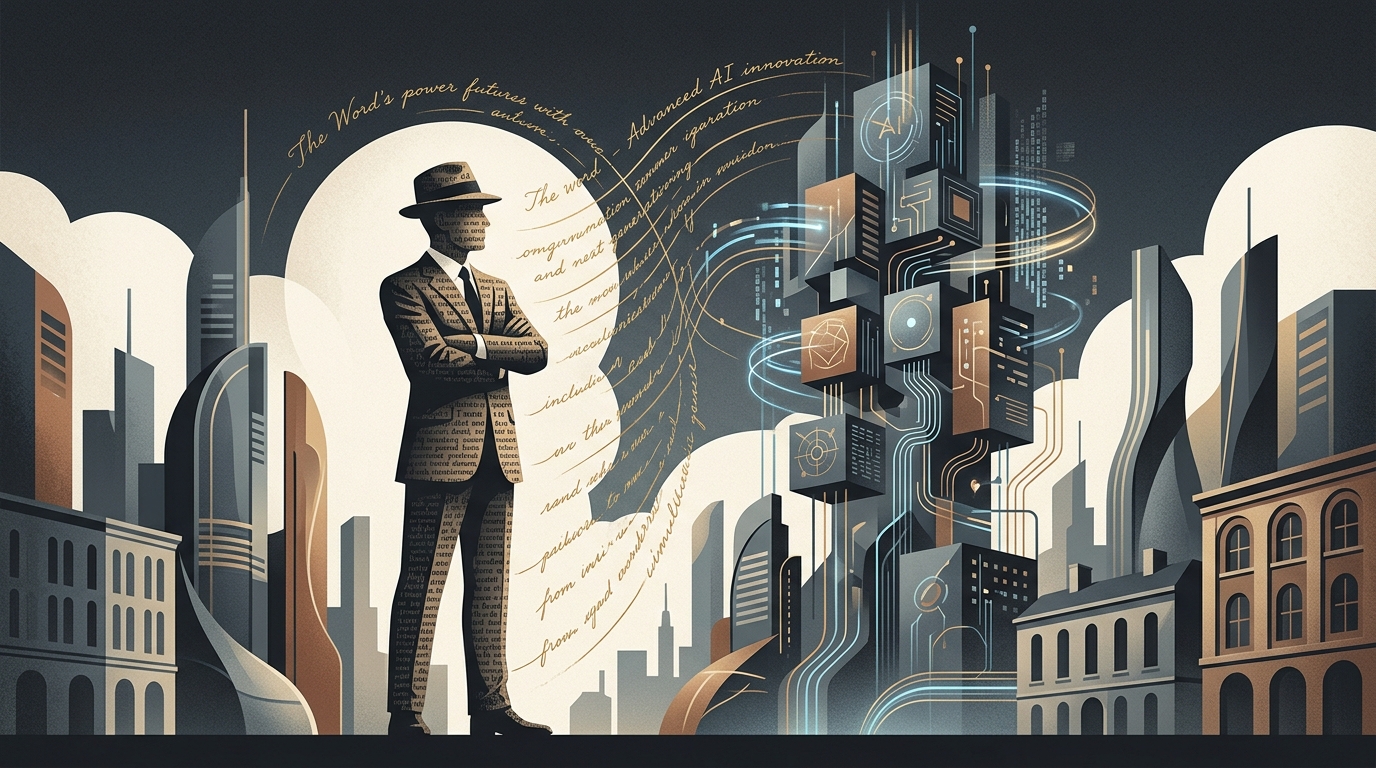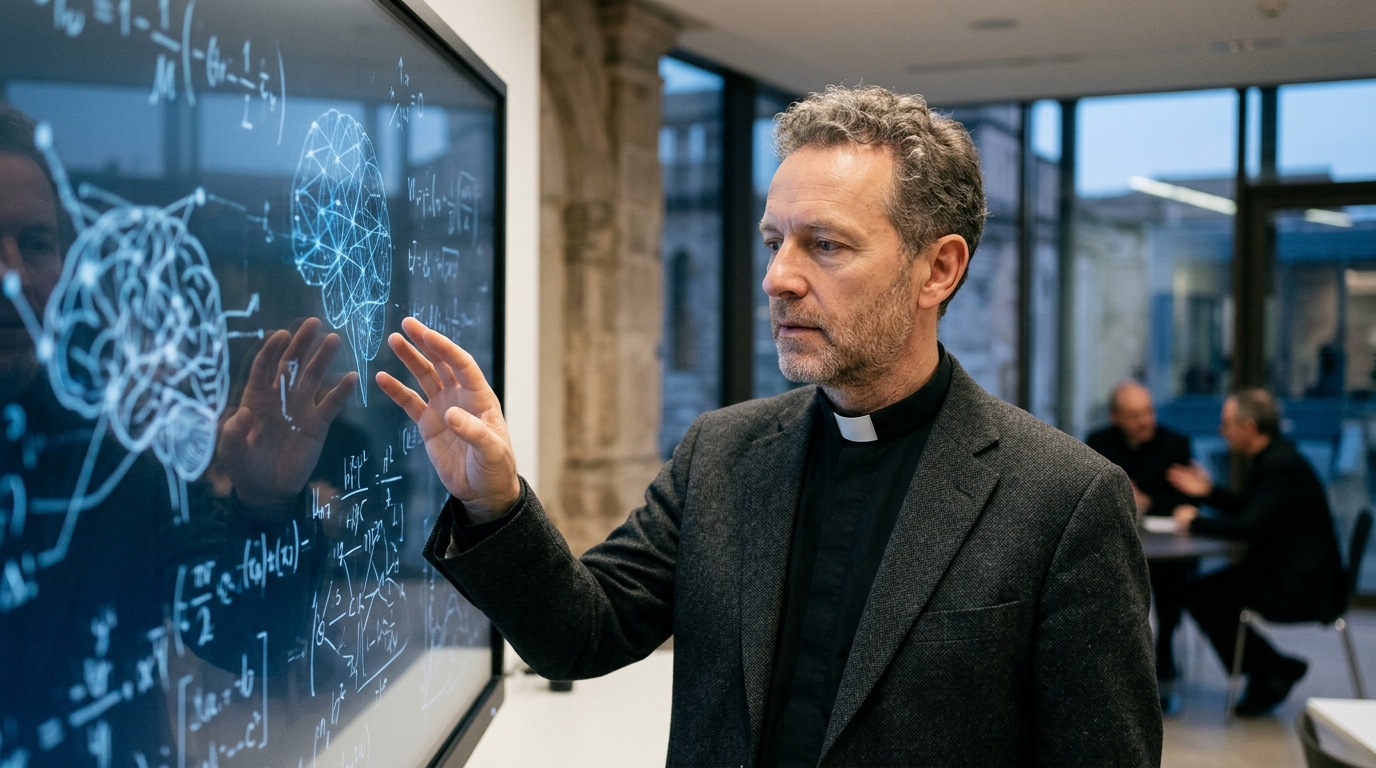
In an era where technological progress frequently outpaces our ethical preparedness, an unexpected voice from the Vatican has emerged as a critical pillar for the future of Silicon Valley. A recent analysis by MIT Sloan regarding Pope Francis’s call to ensure Artificial Intelligence (AI) protects human dignity is not merely a theological intervention; it is a strategic manifesto for the global governance of technology.
The Genesis of Algor-ethics
The term "algor-ethics," coined by the Vatican, emphasizes the necessity of embedding ethical values directly into the code and design of AI systems. This is not about an afterthought of regulatory compliance, but a fundamental reassessment of how machines interact with the human experience. Pope Francis, addressing international forums such as the G7, has stressed that AI is a tool that must serve humanity rather than instrumentalize it.
This approach is rooted in the conviction that technology is never neutral. Every algorithm reflects the values, biases, and priorities of its creators. When AI is deployed to make decisions in critical sectors like justice, healthcare, and employment, the risk of losing the human dimension is palpable. Algor-ethics demands transparency, accountability, and, above all, the presence of a "human-in-the-loop" for every consequential decision.
The MIT Sloan Perspective: From Theory to Business Practice
MIT Sloan highlights that the Pope’s appeal resonates with a growing number of tech executives who recognize that ethics is now a matter of long-term sustainability. The "Rome Call for AI Ethics," signed by giants like Microsoft and IBM, signals a shift toward a development model that prioritizes human rights. Businesses are being urged to adopt frameworks ensuring their systems do not exacerbate social inequalities.
- Inclusivity: AI must be designed for everyone, avoiding the marginalization of vulnerable groups.
- Reliability: Systems must function safely and be resilient against malicious use.
- Fairness: Eliminating algorithmic bias is essential for maintaining social cohesion.
According to MIT researchers, integrating these principles is not an obstacle to innovation but a catalyst for building trust. In a market where consumers are increasingly skeptical of opaque data usage, companies that align with the principles of human dignity gain a significant competitive advantage. Ethics, in this context, becomes a high-value asset.
Safeguarding Dignity in a Digital World
"Artificial intelligence is a fascinating and fearsome possibility, and we will only be able to reap its benefits if we direct it toward the common good," the Pope has stated.
The challenge posed by the Vatican touches the very essence of human uniqueness. As Large Language Models (LLMs) become increasingly persuasive in simulating human thought, there is a risk of devaluing human judgment and empathy. Protecting dignity means that technology should never replace the moral responsibility of the individual. It must augment, not substitute, the human spirit.
Furthermore, the geopolitical dimension of the Pope's proposal is significant. In a world divided by technological rivalries, ethics can serve as a universal language. The call for a global treaty to regulate AI based on humanistic values is more relevant than ever, as the international community seeks a balance between economic expansion and social protection.
Conclusion: A New Ethical Compass
The convergence of ancient wisdom and modern science, as analyzed by MIT Sloan, offers a roadmap for the future. Ensuring that AI protects human dignity is not just a religious or moral obligation; it is a necessary condition for preserving our social fabric. As we move through 2026, the success of the technological revolution will not be judged by the speed of our processors, but by our ability to remain human in a world of machines.