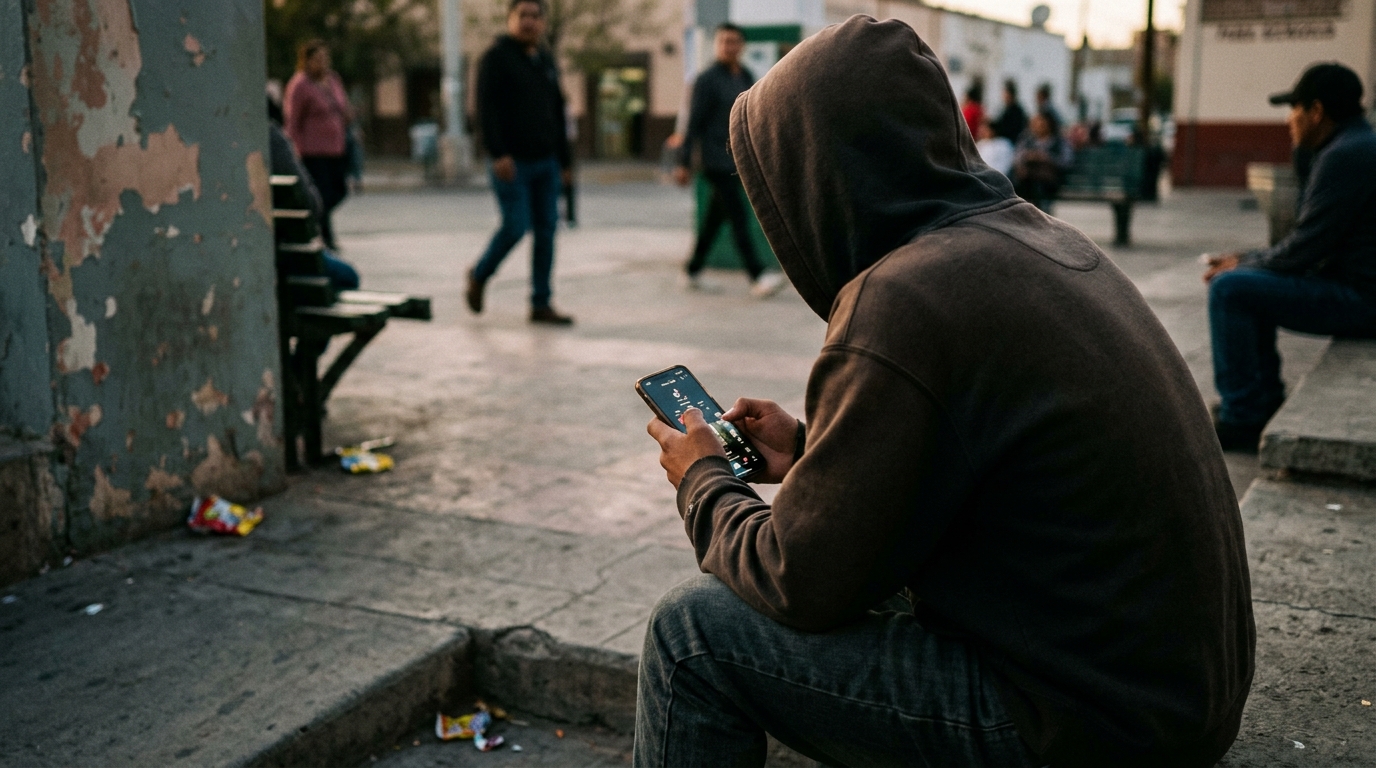
The digital revolution has not only globalized information but also modernized organized crime. In Mexico, notorious drug cartels such as the Sinaloa Cartel and the Jalisco New Generation Cartel (CJNG) have shifted their theater of operations from physical streets to smartphone screens. According to reports surfacing in May 2026, TikTok has evolved into a critical tool for "narco-marketing," recruitment, and the promotion of a glamorized criminal lifestyle.
The Aesthetics of Violence: From Narco-Corridos to Viral Trends
For decades, cartels utilized "narco-corridos"—traditional ballads celebrating the exploits of drug lords—to influence public perception. Today, this tradition has morphed into short, high-production-value videos on TikTok. Utilizing trending audio, filters, and professional editing, criminal organizations showcase a life of opulence: luxury cars, exotic pets, and gold-plated weaponry. This content, often dubbed "Cartelgram," aims not just to intimidate rivals but to seduce vulnerable youth.
The strategy is simple yet devastatingly effective: the criminal life is presented as a viable path to social status and financial liberation. In a country where opportunities for the youth are often scarce, the image of a "sicario" (hitman) enjoying a life of luxury serves as a powerful, albeit lethal, lure. Researchers note that these videos frequently appear on the "For You" pages of users who have no prior history of engaging with such content, driven by the platform's aggressive recommendation algorithm.
Coded Language and Algorithmic Blind Spots
The primary challenge for TikTok's content moderators is the sophisticated use of coded language. Cartels have developed a lexicon of emojis and slang terms that appear innocent to automated AI filters but are instantly recognizable to the target audience. For instance, a tiger emoji may represent a specific faction, while the pizza emoji ("pizza" sounding like "La Chapiza") is used to signal loyalty to the sons of Joaquin "El Chapo" Guzman.
Furthermore, terms like "jale" (work) or "clika" (gang) allow recruiters to post job advertisements that are actually solicitations for drug trafficking or lookout duties. Despite ByteDance's efforts to increase moderation staff with local experts who understand Mexican dialects, the sheer volume of content makes it an uphill battle. AI often fails to grasp the nuance and context, allowing videos that flagrantly violate community guidelines to remain active for weeks, accumulating millions of views.
The Digital Recruitment Pipeline
The recruitment process rarely starts and ends on TikTok. The platform serves as the "storefront." Once a user shows interest—by liking or commenting—recruiters reach out via Direct Messages (DMs). From there, the conversation is swiftly moved to encrypted messaging apps like WhatsApp, Telegram, or Signal, where law enforcement surveillance is nearly impossible.
Security analysts suggest that cartels use TikTok to identify individuals with specific skill sets, ranging from drivers and lookouts to IT specialists and drone operators. Digital recruitment reduces the costs and risks for these organizations, as they do not need to expose their members in physical meetings until the final stages of the process. It is an industrialized method of producing new "disposable" soldiers for the drug war.
Corporate Responsibility and Geopolitical Fallout
Criticism of TikTok is intensifying, particularly in the United States, where the platform is already under intense scrutiny for national security reasons. Critics argue that the company does not invest sufficiently in user safety within Latin American markets, focusing instead on profitability and user growth. The direct link between the fentanyl crisis in the US and the digital activity of cartels adds a layer of political urgency to the demands for better moderation from ByteDance.
However, the issue is not merely technical; it is deeply social and political. As long as the demand for illicit substances remains high and economic inequality persists, cartels will find ways to exploit emerging technologies. TikTok is simply the latest frontier in a war that has moved from the mountains of the Sierra Madre to the digital ether. A solution requires a coordinated effort between governments, tech giants, and international bodies—a scenario that currently remains elusive.