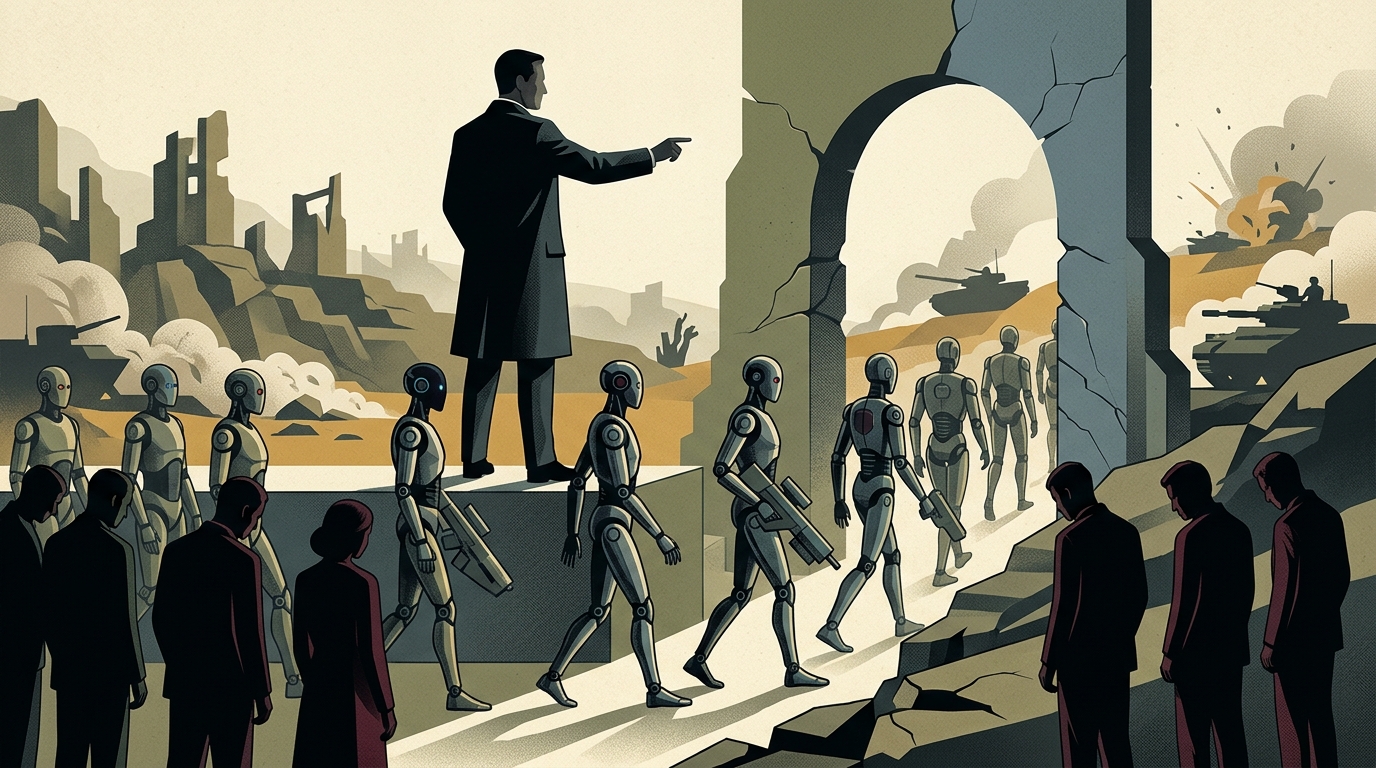
It is June 2026, and the media landscape has been irrevocably altered. A recent report from Vietnam.vn highlights a global reality: journalism is no longer just fighting fake news, but an ocean of synthetic content that threatens to drown authentic human testimony. Artificial Intelligence (AI) is no longer a tool on the sidelines; it is the central player shaping what we read, how we consume it, and ultimately, what we believe.
The Flood of Synthetic Content
The primary challenge facing news organizations today is the "quantitative superiority" of AI. With the ability to produce millions of articles per minute, algorithms have created what analysts call "information noise." In countries like Vietnam, and across Europe, distinguishing between an article written by an experienced correspondent and a text synthesized by a Large Language Model (LLM) is becoming increasingly difficult for the average reader.
The problem is not just quantity, but plausibility. The models of 2026 have largely moved past their early "hallucinations," presenting falsehoods with an aura of authority that is chilling. Journalism, in its traditional form, relies on verification. However, when the pace of information exceeds human capacity for oversight, truth becomes the first casualty of speed.
The Ethics of Automation and Eroded Trust
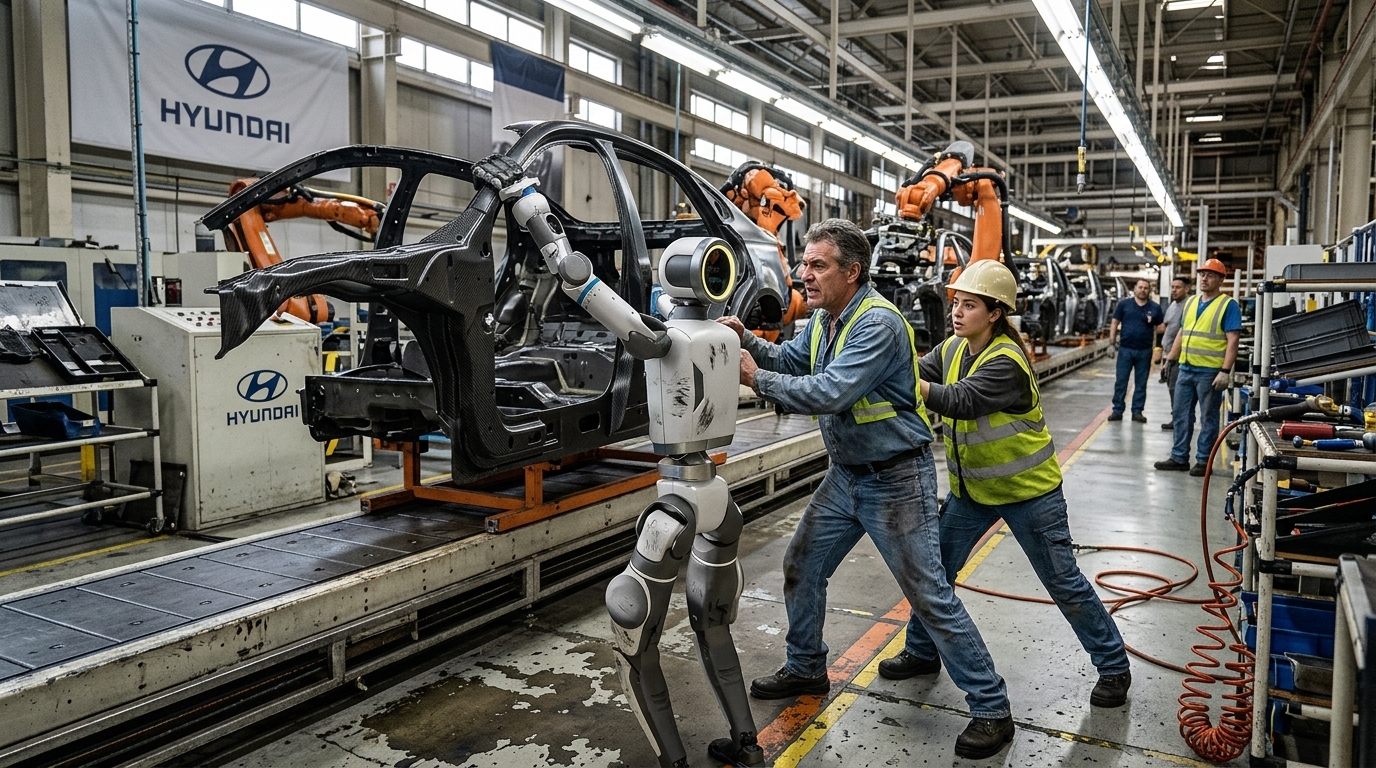
The ethical dimension of this issue is profound. Who bears responsibility when an AI publishes a story that triggers market panic or social unrest? News organizations find themselves at a crossroads: on one hand, the pressure to cut costs leads to the adoption of automated workflows. On the other, the loss of the "human byline" erodes public trust, which is already at historic lows.
- The urgent need for transparent content labeling (AI watermarking).
- The strengthening of investigative journalism as the last bastion of human judgment.
- The re-evaluation of intellectual property, as AI companies train their models on journalists' work without compensation.
In Vietnam, the discussion focuses on information control and protecting national sovereignty in digital spaces. In the West, the conversation is more about protecting the democratic process from algorithmic interference. Despite these differences, the common denominator is the fear that journalism could turn into a mere service for curating algorithms.
The New Model: The Journalist as "Verifier"
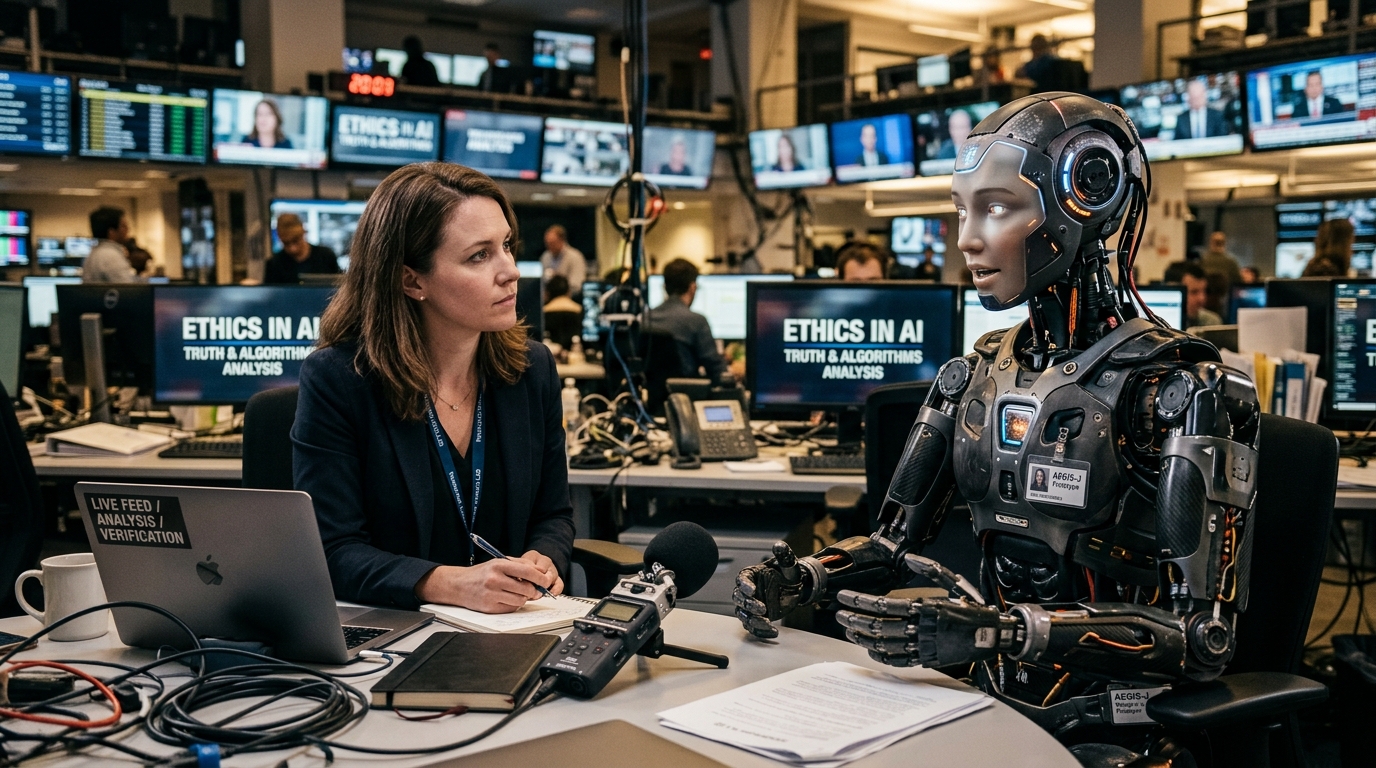
Instead of replacement, many experts suggest a hybrid model. The journalist's role is shifting from simple reporting to analysis and verification. In a world where AI can write a report on an accident in seconds, human value lies in explaining the "why" and providing the necessary moral and social context.
"Artificial intelligence can synthesize words, but it cannot feel the pain of a community or perceive the nuance of a political betrayal," notes a veteran of the industry.
As we move into the second half of 2026, the survival of journalism will depend on its ability to remain "radically human." This means more presence in the field, more transparency in sourcing, and an unwavering commitment to the truth, even when it is less profitable than a click generated by an algorithm.