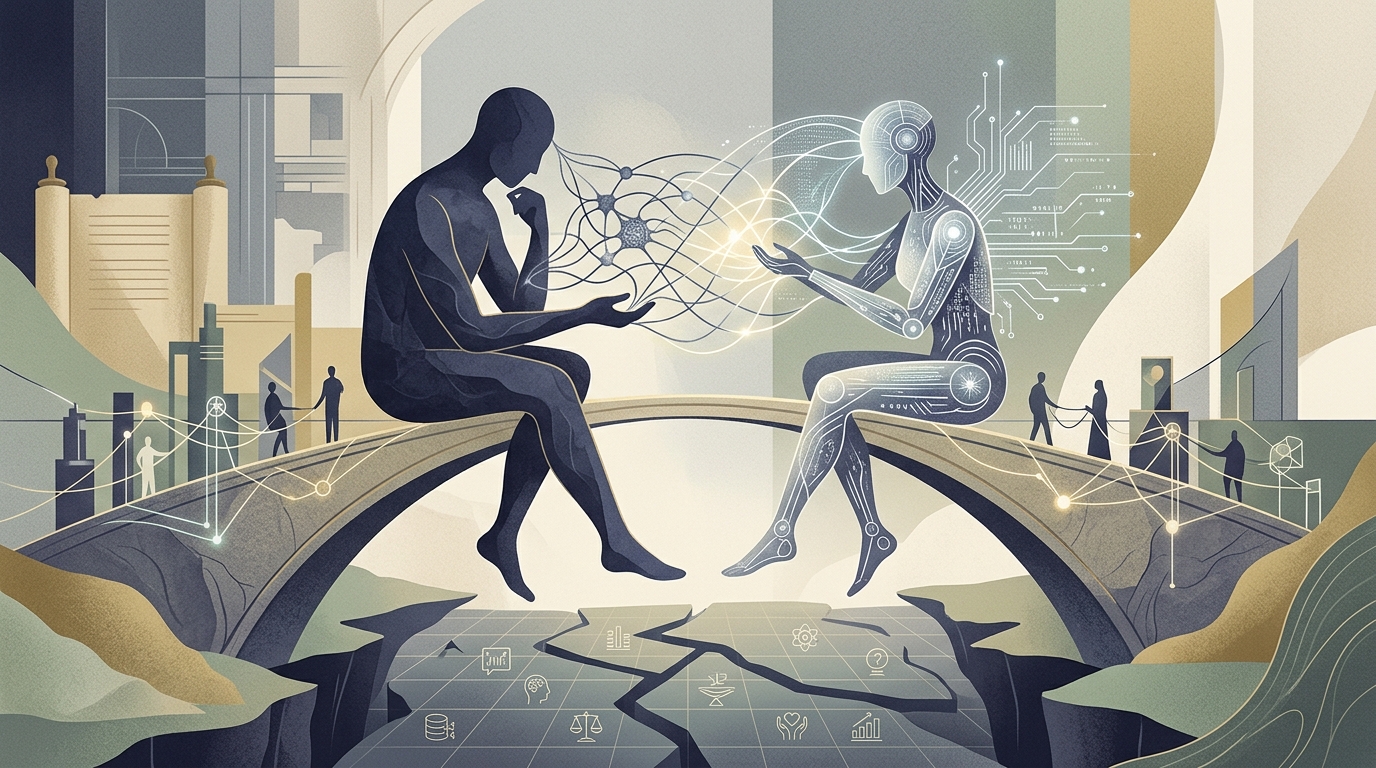
When Artificial Intelligence began its massive integration into the workplace a few years ago, the promise was clear: automating mundane tasks would liberate humans, allowing them to focus on creativity and strategic thinking. However, as we navigate through 2026, the reality is proving to be far more complex. Instead of a new era of leisure, many workers find themselves facing a new breed of burnout, fueled by algorithmic speed and the expectation of perpetual productivity.
The Speed Trap and Cognitive Load
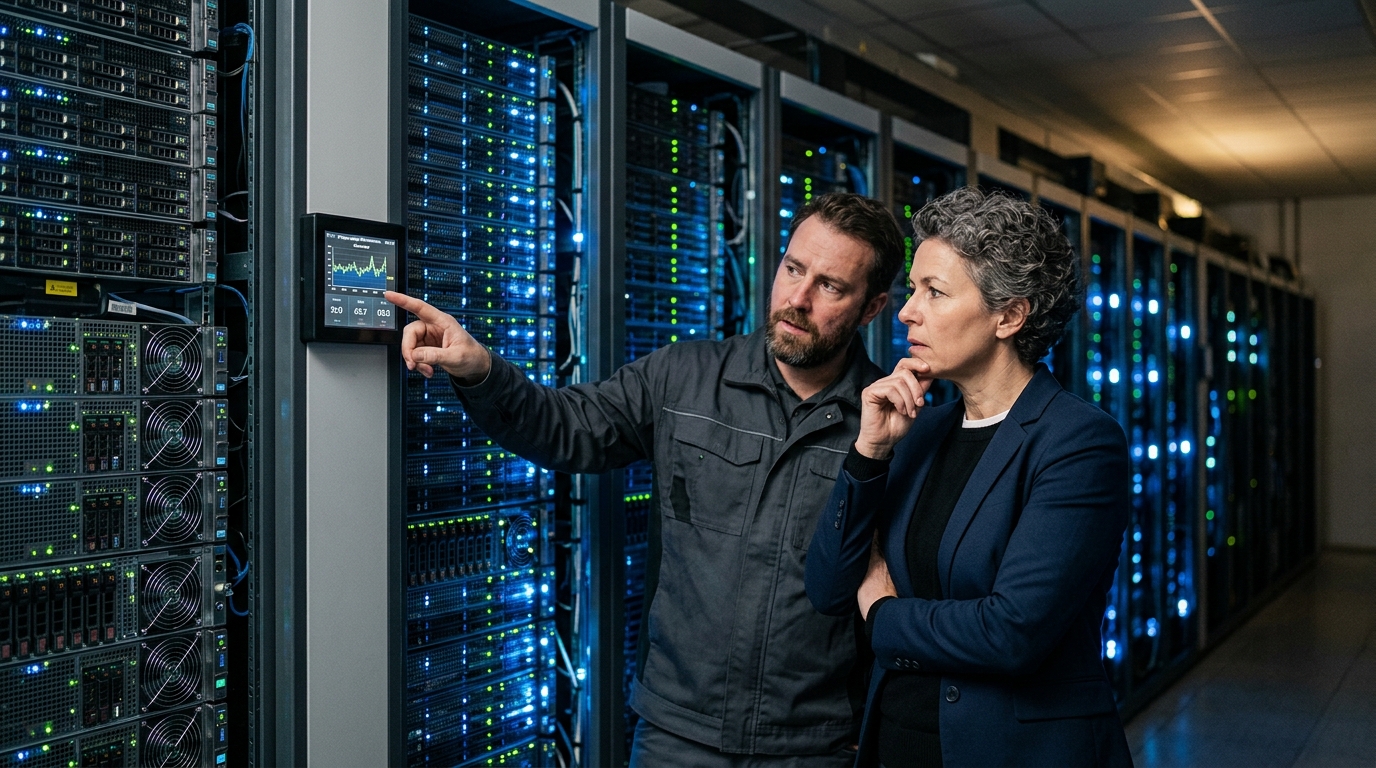
The core issue emerging is not a lack of tools, but an overabundance of them. Managing multiple AI agents, the constant need for prompt engineering, and processing the vast amounts of data generated by these systems have created an overwhelming cognitive load. Workers are no longer just performing tasks; they are now required to "oversee" an army of digital assistants, necessitating constant vigilance and split-second decision-making.
The "always-on" culture has intensified. Since AI can operate 24/7, a subconscious pressure is created for humans to respond with similar velocity. The boundary between professional and personal life is blurring as AI tools on our smartphones continue to generate suggestions, summaries, and notifications throughout the day. Burnout in this context stems not just from the volume of work, but from the feeling that the pace of labor is no longer set by humans, but by software.
Resilience Strategies: Setting Boundaries for the Machine
To avoid a total collapse, experts suggest a radical re-evaluation of our relationship with technology. The first step is the establishment of "AI-free zones." This means that specific times of the day or certain types of meetings must be conducted without algorithmic intervention, encouraging direct human contact and analog thinking. The ability to "disconnect" from the AI ecosystem is now a critical survival skill.
- Defining clear time limits for the use of AI productivity tools.
- Focusing on the quality of outcomes rather than the quantity enabled by automation.
- Training in "digital detox" as part of corporate health and safety policies.
- Engaging in open dialogue with management to redefine performance expectations.
Furthermore, businesses must understand that AI should function as an augmentor of human capabilities, not a replacement for human pacing. The imposition of "digital guardrails" by employers—such as disabling notifications after work hours—is no longer optional but necessary for maintaining a healthy workforce.
The Role of Ethical Leadership
Avoiding burnout requires a paradigm shift in leadership. Managers in 2026 must be able to recognize the signs of "algorithmic fatigue."
"Technology is an excellent servant but a tyrannical master,"industry analysts note, emphasizing that the responsibility for mental health is shifting from the individual to the system. The ethical use of AI is not just about data and bias; it is about how technology affects the nervous systems of its users.
In conclusion, protection from burnout in the age of AI requires conscious effort. We must reclaim our time and remember that productivity is not an end in itself, but a means to a better life. If we allow AI to dictate every aspect of our daily work routine, we risk turning into components of a machine that knows no rest. The solution lies in human autonomy and the establishment of rules that protect our mental integrity against perpetual digital acceleration.