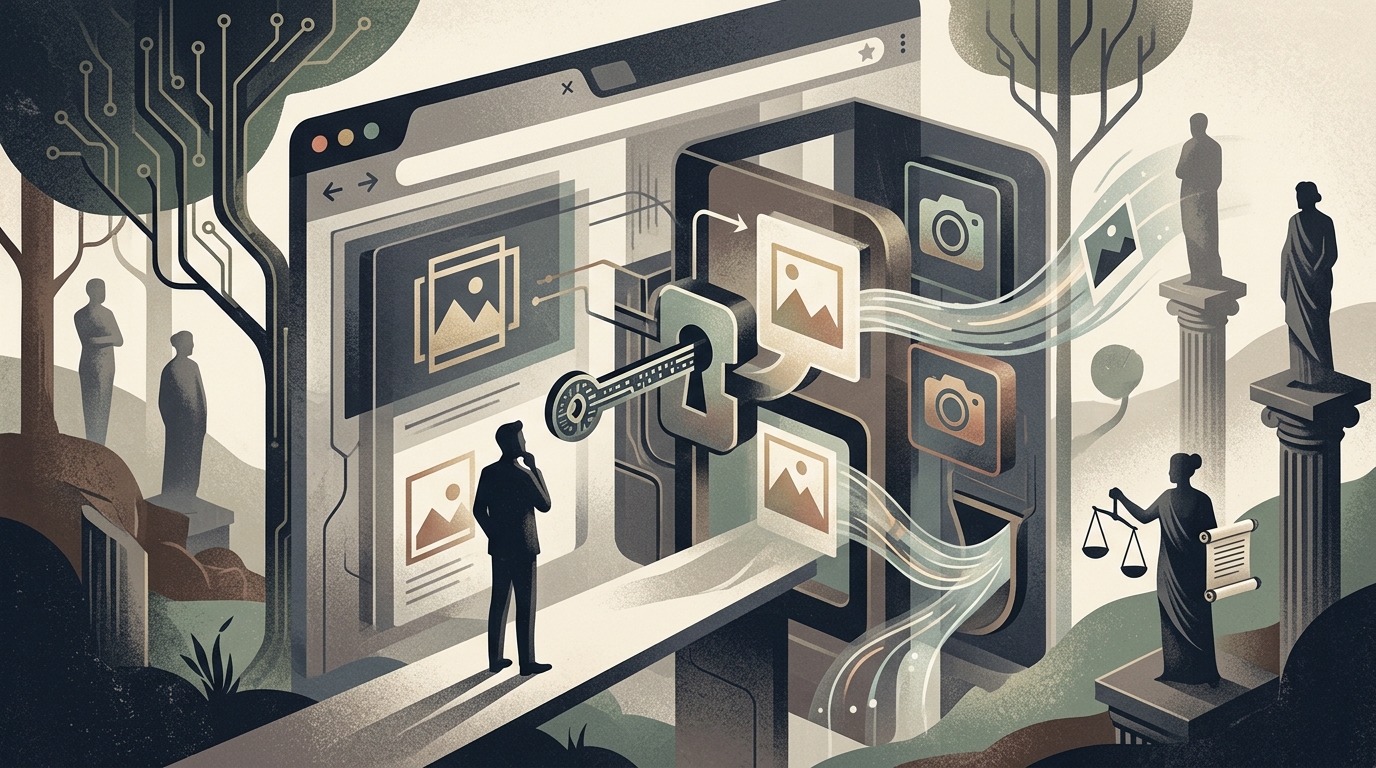
Digital security, as we once understood it, has reached a critical turning point. A recent revelation by the research team at DeepSeek—the Chinese AI firm that has sent shockwaves through Silicon Valley with its hyper-efficient models—has brought to light a chilling reality: the web browser you use every day can be turned into a back door to your private life without you ever downloading a single file.
The Anatomy of an Invisible Attack
The attack designed by DeepSeek does not rely on traditional methods like phishing or malware. Instead, it exploits subtle vulnerabilities in how modern browsers—such as Chrome, Safari, and Edge—manage memory and graphics performance. By employing side-channel attack techniques enhanced by machine learning algorithms, researchers demonstrated that it is possible to reconstruct images displayed or cached in the browser simply by having a user visit a seemingly innocent website.
The most striking—and concerning—aspect is the speed and precision of the method. While in the past such attacks required massive computational power and significant time, the integration of AI allows for the real-time analysis of GPU (Graphics Processing Unit) noise, converting raw data into recognizable private photos. This means that sandbox mechanisms, intended to isolate websites from the rest of the system, are proving inadequate against 'intelligent' data analysis.
Why Did DeepSeek Expose This?
DeepSeek is not just another tech company. Having emerged as a dominant player in the Large Language Model (LLM) market, its decision to publicize such a vulnerability is interpreted by many as a strategic display of prowess. In the world of cybersecurity, 'red teaming'—the practice of attempting to break systems to improve them—is common. However, when a company with deep ties to China's technological ecosystem showcases such capabilities, geopolitical concerns inevitably surface.
- The attack requires no administrative permissions from the user.
- It functions effectively across both mobile and desktop environments.
- It exploits the fundamental architecture of modern hardware.
- It renders traditional antivirus software obsolete, as there is no 'malicious code' to detect.
The research underscores that AI is no longer just a writing assistant or an image generator; it is a potent weapon in the hands of those who know how to decode the digital breadcrumbs we leave behind.
Implications for Software Giants
Google, Apple, and Microsoft are now in a frantic race to fortify their browsers. Patching such vulnerabilities is no simple feat, as it often requires sacrificing graphics performance or completely redesigning how websites interact with hardware. For the average user, this could mean a slightly slower browsing experience in exchange for security.
"We are no longer in an era where security simply meant not clicking suspicious links. Today, the very infrastructure of the internet is the battlefield," noted a prominent security analyst.
Ethically, DeepSeek operates in a gray area. While publishing the research helps vendors patch holes, providing a blueprint for such attacks could inadvertently inspire malicious actors. The fine line between proactive research and digital espionage is becoming increasingly blurred.
Conclusion: The New Reality of Privacy
The lesson from DeepSeek’s revelation is clear: privacy in the digital age is a persistent illusion. As AI becomes more sophisticated, it will find ways to 'see' through the walls we have built to protect ourselves. The only solution is constant vigilance and a demand for more transparent, secure technologies from our providers. The era where simply 'not installing apps' kept us safe is officially over.