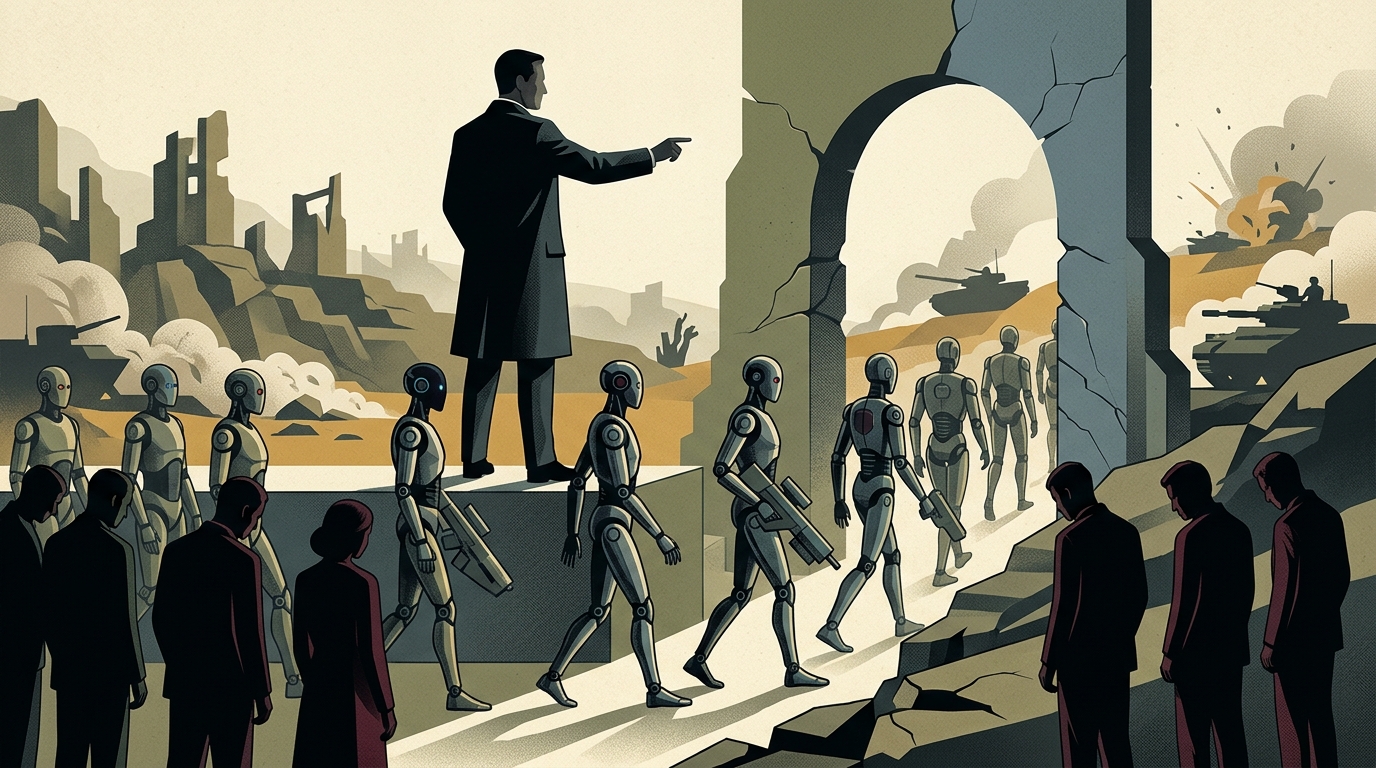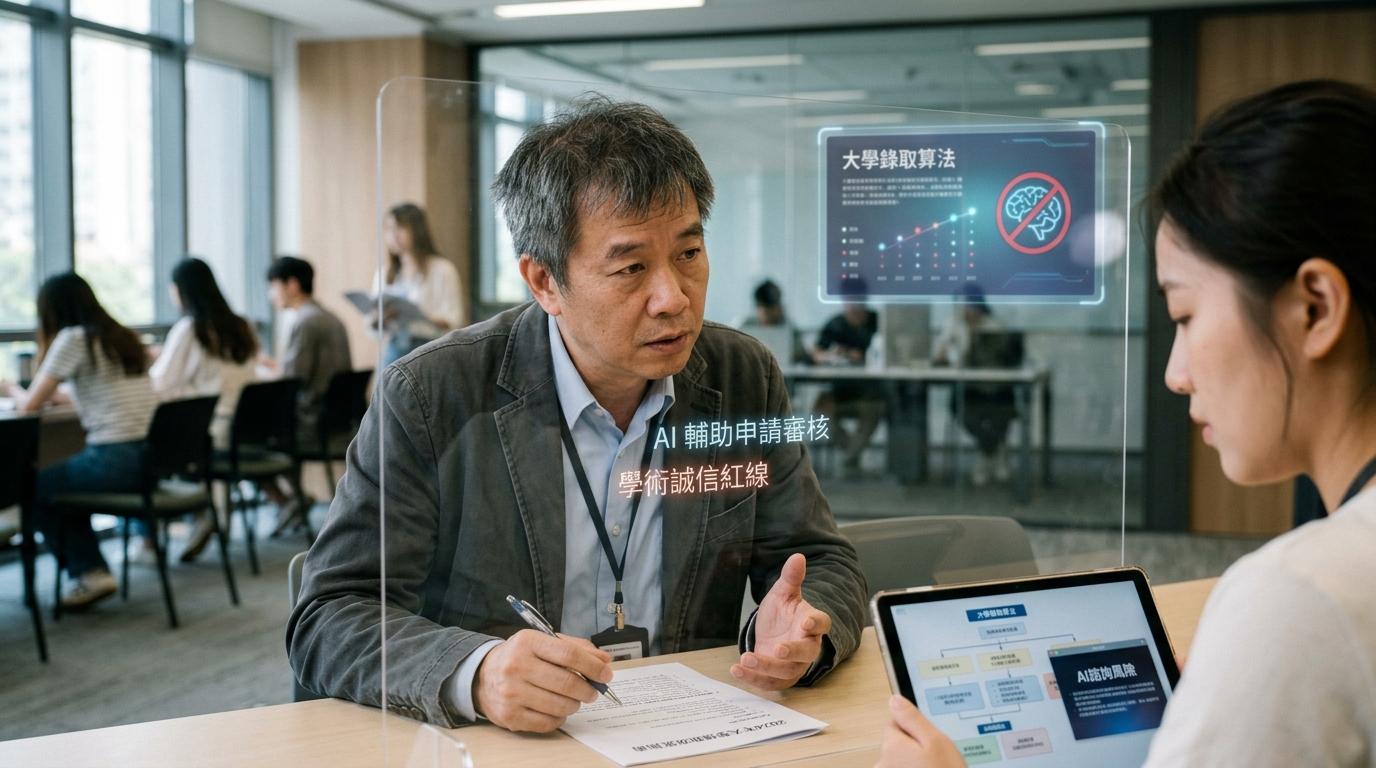
In an era where Artificial Intelligence (AI) permeates every facet of human activity, China—a nation at the forefront of both technological innovation and state oversight—has issued a stern warning. The country's Ministry of Education (MoE) has targeted the growing trend of students and parents relying on AI tools to fill out university preference forms following the notorious Gaokao exams. This move is not merely a bureaucratic intervention; it is a profound political and ethical statement on the limits of automated decision-making at life's critical junctions.
Digital Divination and Gaokao Anxiety
The Gaokao exams in China are perhaps the most grueling in the world, determining the future of millions of young people. Once the exams conclude, a second round of anxiety begins: choosing the right university and major. Traditionally, this gap was filled by high-priced education consultants. However, June 2026 sees the market flooded with "digital consultants"—applications based on Large Language Models (LLMs) that promise to accurately predict admission chances based on scores.
The Ministry of Education points out that these tools often operate as "black boxes." Lacking transparent algorithmic data, many of these services make groundless promises, leading students toward incorrect choices that could cost them an entire career. The warning emphasizes that AI cannot replace personalized guidance from teachers and experts who understand the broader context of Chinese higher education.
Risks of Misinformation and Commercialization
The Chinese government expresses intense concerns regarding the commercialization of hope. Many tech companies exploit parental anxiety, charging exorbitant fees for "premium" algorithmic predictions that often do not differ significantly from free versions. Furthermore, there is the fear of data privacy breaches. Students are asked to input sensitive information, from grades to family history, which can then be used for targeted advertising or, worse, end up in the hands of third parties without consent.
- Lack of transparency in predictive algorithms.
- Risk of mass-scale errors due to systemic AI biases.
- Exploitation of minors' personal data for profit.
- Widening of the social gap through expensive digital services.
The ethical dimension is equally significant. If an algorithm begins to steer the mass of students toward specific majors based on "market trends" estimated by the model itself, we risk seeing an artificial distortion in the labor market. Human inclination and passion for a field of study cannot be easily quantified by a machine trained on historical data, which may not reflect the future needs of society.
Regulatory Response and the Path Forward
China has already established some of the world's strictest rules for the use of generative AI. This current warning is expected to be followed by tighter controls on EdTech companies. The state aims to ensure that technology serves as a supportive tool rather than an absolute authority.
"Choosing a university is an act of responsibility that requires critical thinking, not mere data processing,"the Ministry's statement reads.
Globally, China's case serves as a litmus test for how societies will manage "algorithmic authority." As AI becomes more persuasive, the challenge for educational institutions will be to teach youth how to use these tools with skepticism. Knowledge is not just information; it is the ability to discern what is essential amidst the noise of data. China, through this intervention, reminds us that human judgment remains the last line of defense against the automation of destiny.