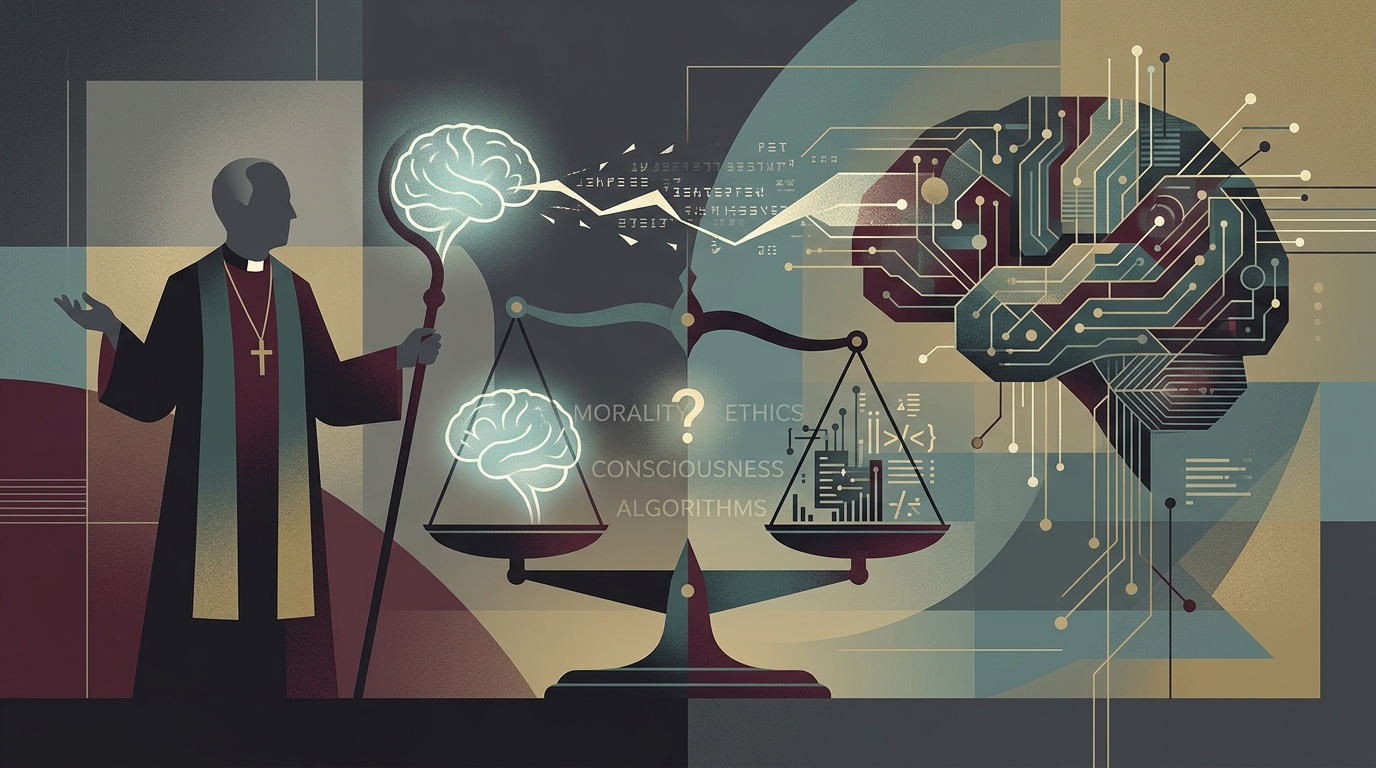
In the hallowed halls of Westminster, amidst the echoes of tradition and the weight of history, the Archbishop of Canterbury, Justin Welby, recently led a debate in the House of Lords that could prove pivotal for the future of British society and beyond. The subject was not theological dogma or ecclesiastical administration, but Artificial Intelligence (AI) and its profound impact on the human condition. In an era where technology evolves at a pace that far outstrips the legislative capacity of states, the Church of England’s intervention serves as a stark reminder: the stakes are not merely technical or economic, but deeply moral and existential.
Beyond the Algorithm: Defining Human Value
Archbishop Welby opened the floor by posing a fundamental question: What does it mean to be human in the age of automation? His concern is not centered on the technology itself—which he acknowledges as potentially transformative for good—but on our growing tendency to outsource moral judgment to systems that lack consciousness. According to Welby, human dignity is inherent and must not be sacrificed on the altar of algorithmic efficiency. The Church argues that if we allow AI to define an individual's worth based solely on data points and productivity metrics, we risk sliding into a new form of materialism where humans are treated as mere components of a global machine.
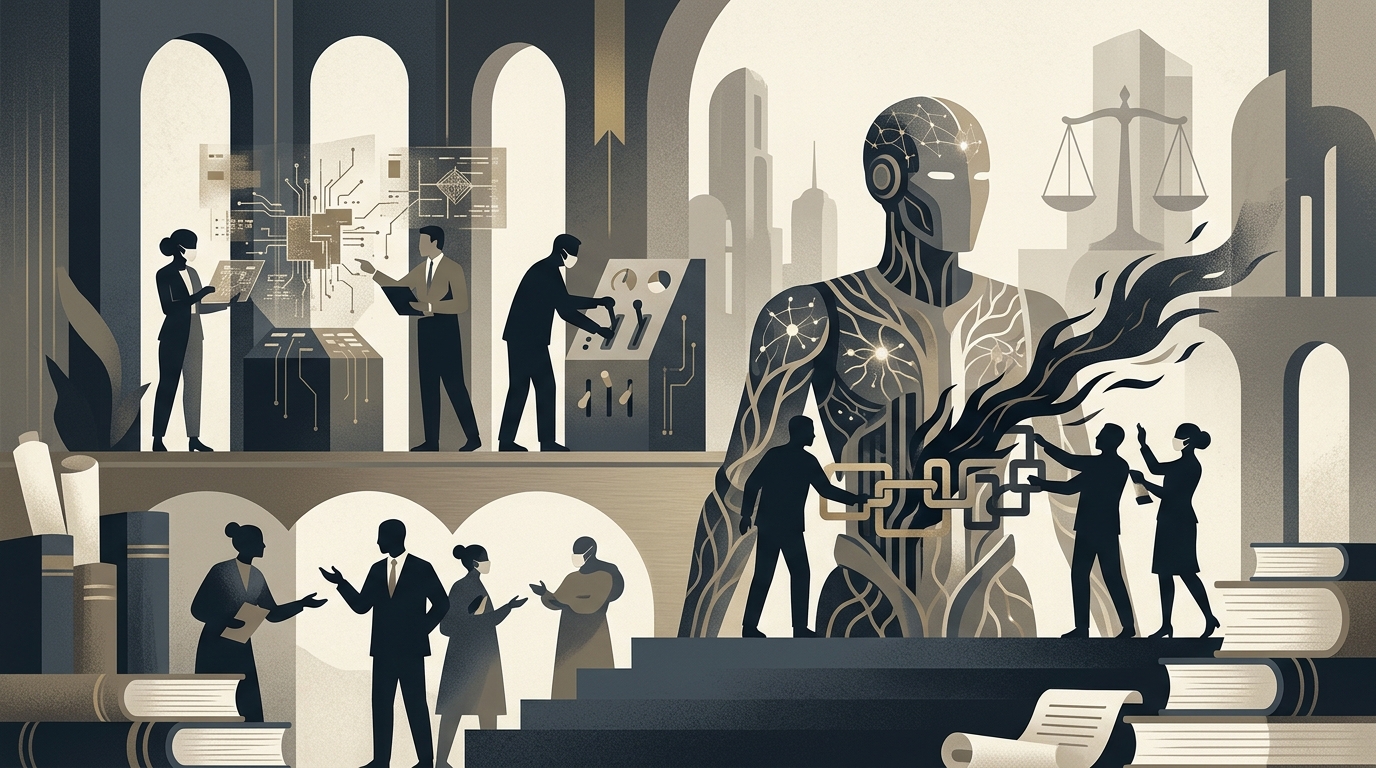
The debate highlighted that AI is not a neutral force. It carries the biases of its creators and the datasets upon which it is trained. The Archbishop warned that "blind faith" in algorithms could lead to systemic injustices, particularly for the most vulnerable members of society. The challenge, therefore, is to construct a regulatory framework that places the human person at the center, ensuring that technology serves humanity rather than the other way around.
The Ethics of Agency and Accountability
A central pillar of the intervention was the concept of "human agency." As AI systems take over an increasing number of decisions—ranging from medical diagnoses to judicial sentencing—the sphere of human responsibility is shrinking. Welby emphasized that moral accountability cannot be transferred to a line of code. When a decision affects a person's life, there must be a human being who can be held accountable for it.
- The urgent need for transparency in algorithmic decision-making processes.
- The protection of privacy as a fundamental human right, not an obstacle to innovation.
- Ensuring technology is not weaponized to manipulate public opinion or erode democratic institutions.
The Archbishop urged the government not to settle for a "laissez-faire" approach to AI regulation. Instead, he proposed the creation of an "Ethics Council" to oversee the development and deployment of these technologies, ensuring they align with values of social justice and solidarity. The House of Lords debate underscored that AI is not just a tool, but a mirror reflecting our own societal priorities.
Social Cohesion and the Digital Divide
Moving beyond philosophical abstractions, Welby addressed the practical consequences of AI on the labor market. Automation threatens to widen the gap between those who own the technology and those who are displaced by it. The Church of England is concerned that a rapid transition to an AI-driven economy could lead to social alienation and a loss of the meaning derived from work. "Work is not just a means of survival; it is a way of participating in the community," he noted.
"We cannot allow technology to become a new god that demands sacrifices from the weak for the prosperity of the few."
This intervention acknowledges that AI has the potential to solve some of humanity's greatest challenges, such as climate change and disease. However, achieving this requires global cooperation that transcends the profit motives of Big Tech. The Archbishop stressed that Britain has the opportunity to lead the world in "ethical innovation," setting standards that other nations might follow.
A Global Moral Framework
As the debate concluded, it became clear that the challenge of AI is universal. It does not only concern the United Kingdom but the entire planet. Welby called for a dialogue between faiths, sciences, and governments to formulate a common code of ethics. His position is that technology must be governed by the principles of love for one's neighbor and respect for creation. In a world rapidly digitizing, preserving our "humanity" is our most critical mission.
The House of Lords debate did not provide all the answers, but it certainly asked the right questions. The Archbishop’s intervention reminds us that progress is not measured by processor speed, but by the quality of justice and compassion in our society. As we move towards 2027, the need for a "moral compass" in the technological storm has never been more urgent.