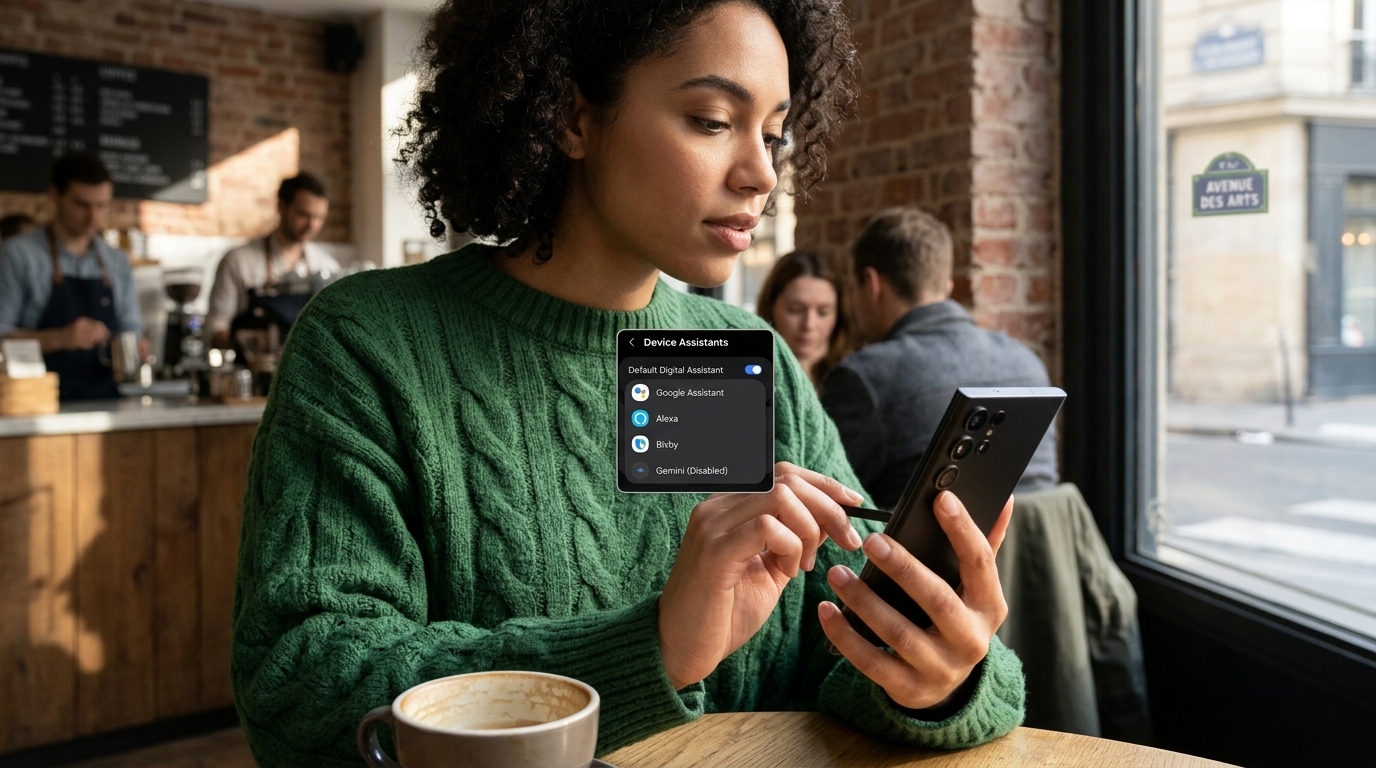
In an era where data is frequently described as the "new oil," Apple Inc. is attempting to convince the global market that it can partner with the world’s most prolific data harvester, Google, without compromising its core values. The recent announcement regarding the integration of Google’s AI models—widely understood to be Gemini—into the Apple ecosystem has sparked a wave of skepticism that threatens Apple’s most prized asset: user trust in privacy.
The Architecture of Trust: Private Cloud Compute
Apple’s primary line of defense rests on a novel technological framework dubbed Private Cloud Compute (PCC). According to company executives, when a user submits a query requiring the heavy lifting of Google’s large language models, the data is not simply handed over to Google’s servers. Instead, Apple acts as a sophisticated intermediary, utilizing its own custom-built servers powered by Apple Silicon. These servers are designed to ensure that data is never stored and remains inaccessible to everyone—including Apple itself.
"We have engineered a system where cloud-based computation is as private as on-device processing," a senior Apple engineer noted during a recent briefing. The company maintains that independent security researchers can verify the code running on these servers, a level of transparency rarely seen in the tech industry. However, the fundamental question remains: can a technical solution truly mitigate the ethical risk of partnering with a corporation whose business model is fundamentally built on advertising and tracking?
The Google Paradox and the Need for Power
Why would Apple, a company that has built its entire marketing identity around the slogan "What happens on your iPhone stays on your iPhone," risk such a controversial partnership? The answer lies in the cold, hard reality of the AI landscape. Despite Apple’s internal efforts to develop proprietary models, Google currently commands one of the most advanced LLM infrastructures in existence.
- Query Complexity: While Apple Intelligence can handle basic tasks locally, complex reasoning requires billions of parameters that only massive cloud clusters can provide.
- Time to Market: Having been perceived as late to the generative AI race, partnering with Google allows Apple to close the gap immediately.
- Global Scalability: Google possesses the raw infrastructure to support hundreds of millions of concurrent users across dozens of languages.
"Apple isn't choosing Google because they trust them; they're choosing them because they can't afford to ignore them," says a prominent industry analyst. "It’s a marriage of convenience where the dowry is technological supremacy and the price is a potential reputational hit."
The Privacy Advocates' Pushback
Privacy watchdog groups are not easily swayed. They point out that even if data is anonymized, the "fingerprint" of a user's queries can reveal intimate details about their personality, health, or political leanings. Furthermore, there is the persistent fear of "function creep"—the gradual erosion of safety boundaries in favor of increased functionality or commercial pressure.
In Europe, regulators are watching the deal with intense scrutiny. Under the Digital Markets Act (DMA) and the AI Act, Apple must demonstrate that this partnership does not create an impenetrable monopoly that locks users in while exploiting their data in opaque ways. The challenge for CEO Tim Cook is to maintain Apple’s aura as a digital guardian while handing over the keys to the devices' intelligence to a traditional rival.
Conclusion: A New Era of Compromise
This move signals the end of the era of "splendid isolation" for Apple. In the world of generative AI, no company, regardless of its scale, can be entirely self-sufficient. Apple’s success will not be measured by whether it uses Google’s tech, but by whether it can successfully impose its own ethical standards on an industry that has historically ignored them. If Private Cloud Compute fails even once, the damage to the Apple brand will be irreparable. For now, the company is asking its loyal followers to take a leap of faith—backed by the promise that its protective umbrella is stronger than ever.