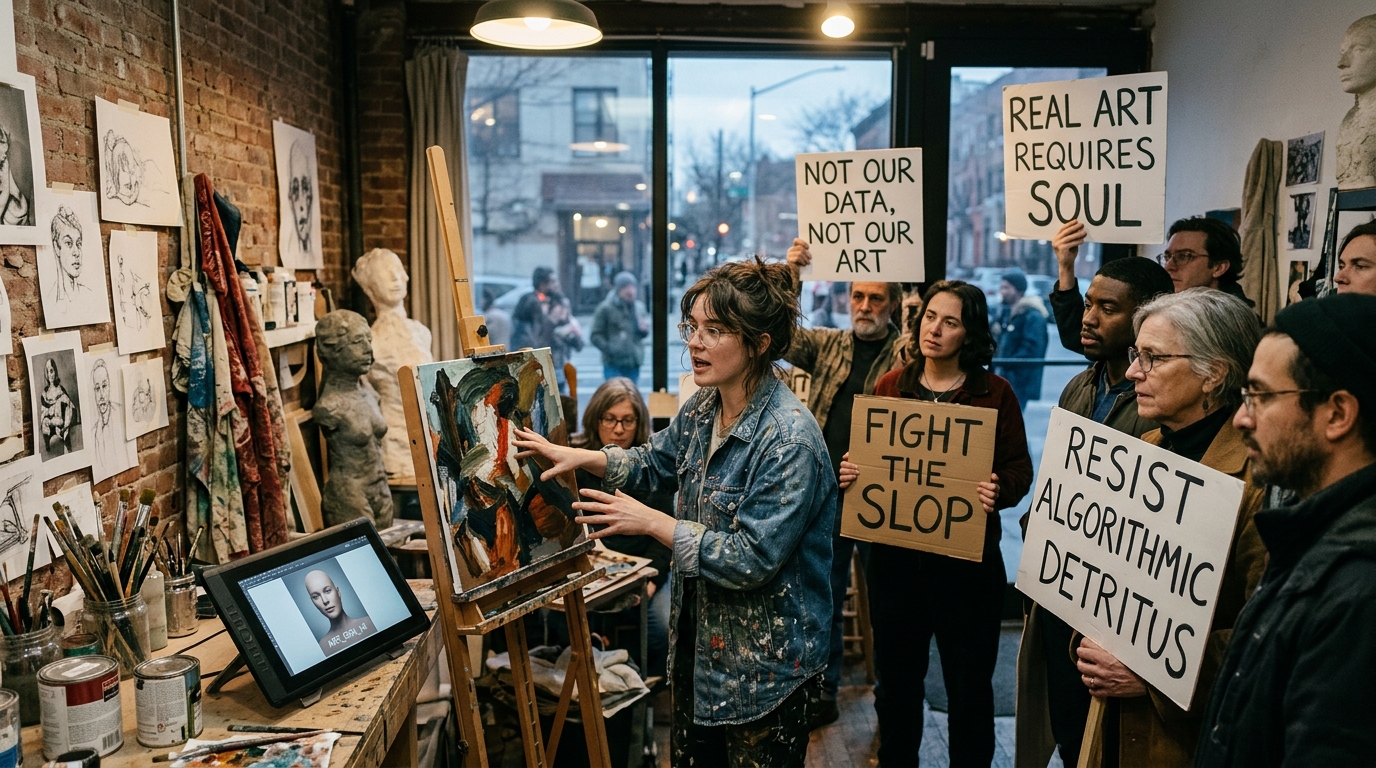
In the digital ecosystem of 2026, a new term has come to dominate creator circles: "slop." Just as "spam" defined the era of unwanted email, slop describes the endless stream of low-quality, aesthetically uniform, and often misleading content generated by Artificial Intelligence. For artists, however, this is not merely a nuisance; it is an existential threat that is being "rammed down our throats," sparking an unprecedented counter-offensive.
The Birth of the Anti-Slop Movement
The backlash is no longer just verbal. A new generation of illustrators, writers, and musicians is adopting an "anti-slop" aesthetic—a conscious effort to create works that AI is incapable of replicating. This includes a return to traditional mediums, an emphasis on "human error," and the use of technical tools designed to "poison" AI training datasets. Artists feel that social media platforms have been transformed into soulless content factories, where algorithms prioritize the digestible and the mediocre over authentic expression.
As reported by The Guardian, the feeling that AI technology is being forced upon users without consent has fostered a climate of resentment. "It's being shoved in our faces," creators claim, referring to the integration of AI tools in every corner of the internet, from Instagram filters to Photoshop features. Their response is to create work that is intentionally "difficult" for AI: complex textures, non-linear narratives, and a rawness that stands in stark contrast to the plastic perfection of AI-generated imagery.
Technological Guerrilla Warfare: Nightshade and Glaze
Beyond aesthetics, the resistance is technical. Tools like Nightshade and Glaze, developed by researchers at the University of Chicago, have become the weapons of choice for artists. Glaze applies an invisible "cloak" over digital art that confuses AI models regarding the artist's style, while Nightshade goes a step further: it "poisons" the training data. If an AI model ingests enough Nightshade-processed images, it begins to confuse concepts—for example, it might start drawing a cat when prompted for a dog.
- Intellectual Property Protection: Artists are reclaiming control over their work, which has been used without permission to train billion-dollar AI models.
- Restoring Value: The flood of AI content has devalued digital illustration, forcing professionals to find new ways to differentiate themselves.
- Ethical Consumption: There is a growing audience actively seeking "Human-Made" content, similar to the preference for organic products in the food industry.
The Dead Internet Theory and Cultural Decay
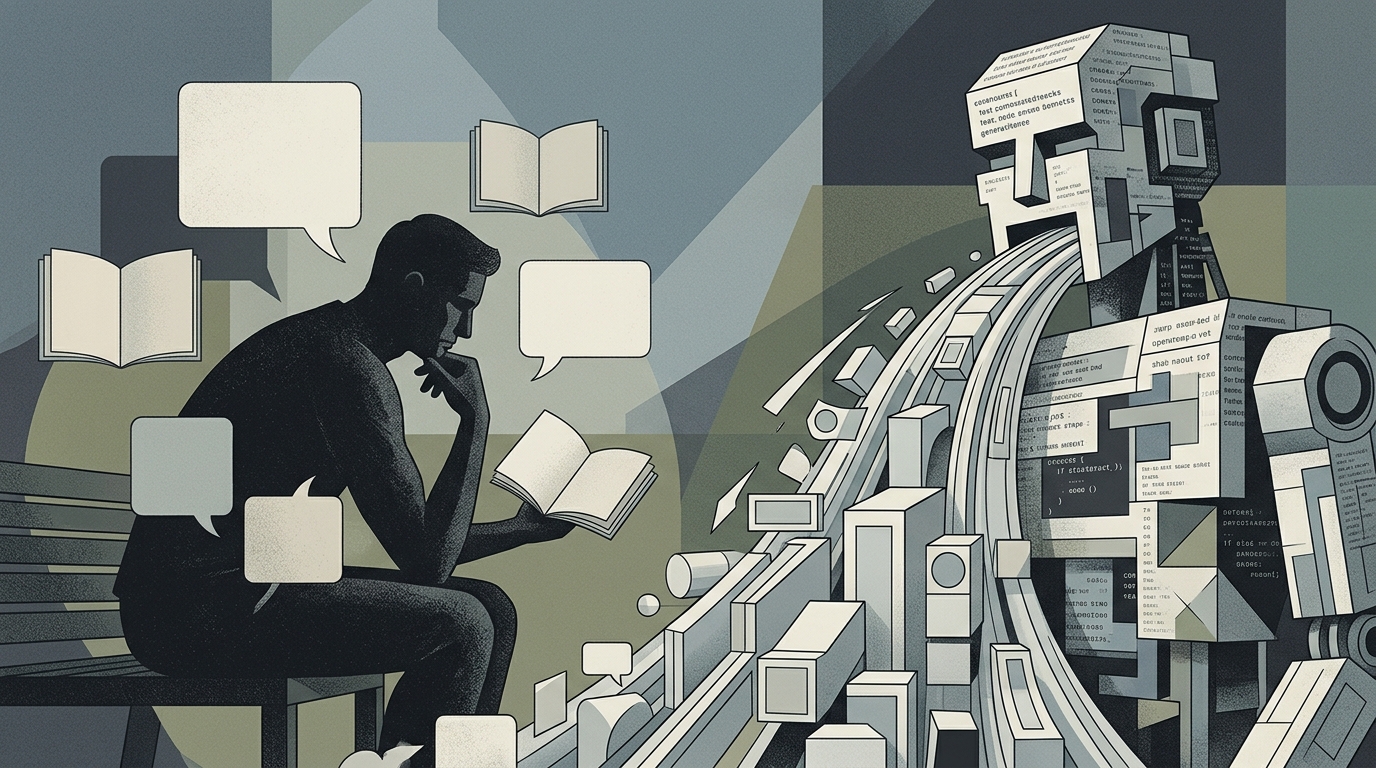
The anti-slop debate touches on deeper societal issues. Many analysts warn of the "Dead Internet Theory," where the majority of web traffic and content is produced and consumed by bots. In this scenario, human creativity is drowned in an ocean of recycled data. Artists rebelling against slop view themselves as the last guardians of the human experience.
"Art is not the final product; it is the process, the struggle, and the intent behind it. AI can copy the result, but never the reason," says one illustrator involved in the movement.
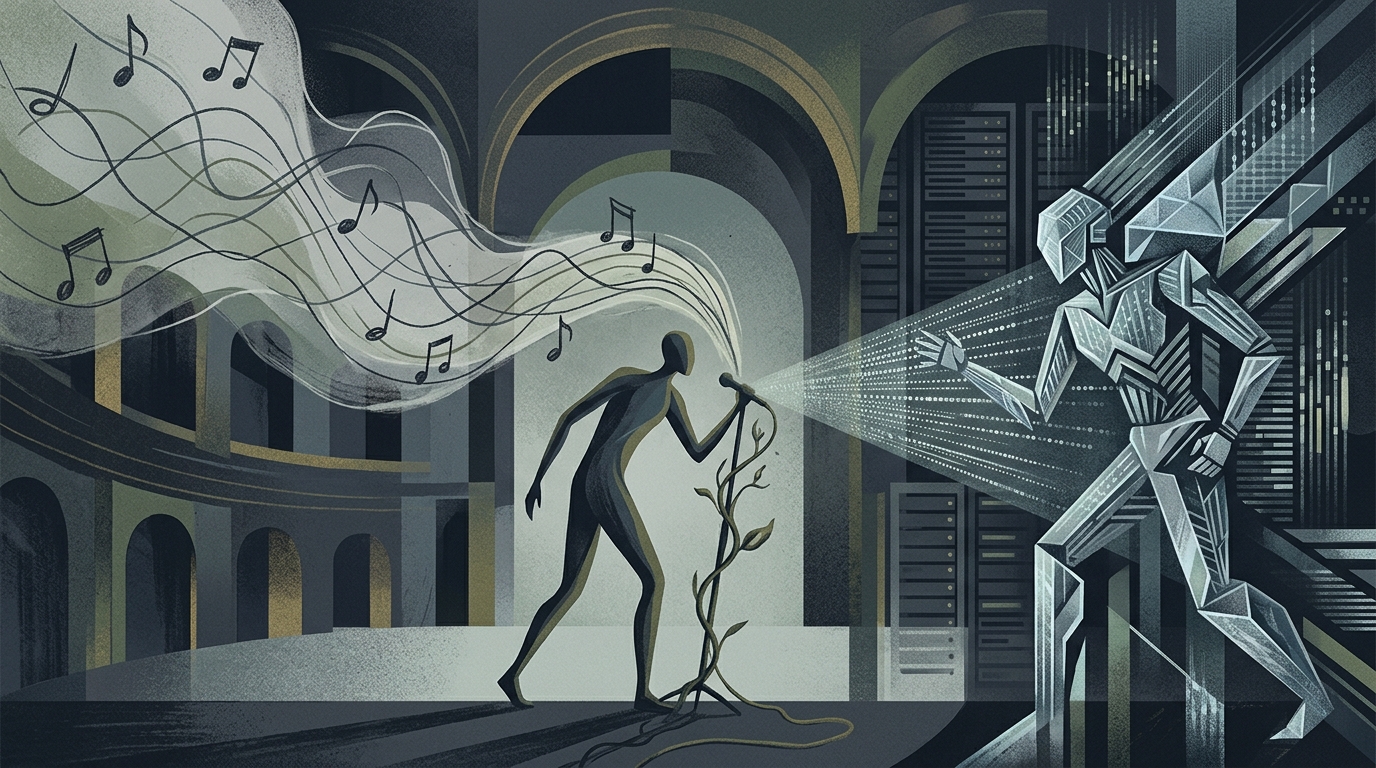
This philosophical shift is leading to a physical world revival. Galleries report increased interest in works using oil, clay, and natural materials—mediums that carry the creator's physical imprint and cannot be easily "scraped" by bots. "Imperfection" is now becoming the ultimate symbol of luxury and authenticity in a world saturated with digital uniformity.
Conclusion: A New Artistic Identity
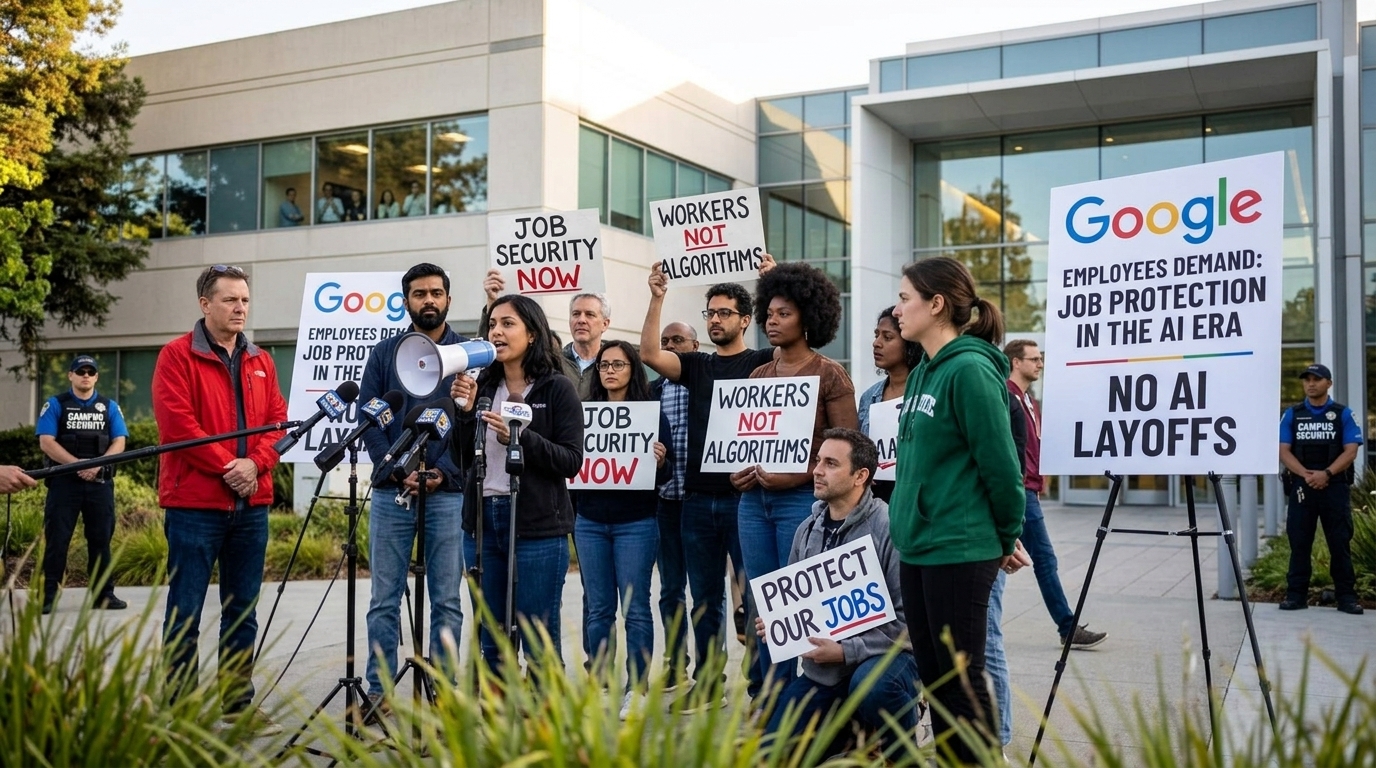
The fight against "slop" is not just about job security. It is a battle for the soul of our culture. As Big Tech continues to push for the automation of creativity, artists are responding with radical humanity. The anti-slop movement reminds us that art is a form of communication between humans, and no machine, however advanced, can replace our need for true, raw connection.