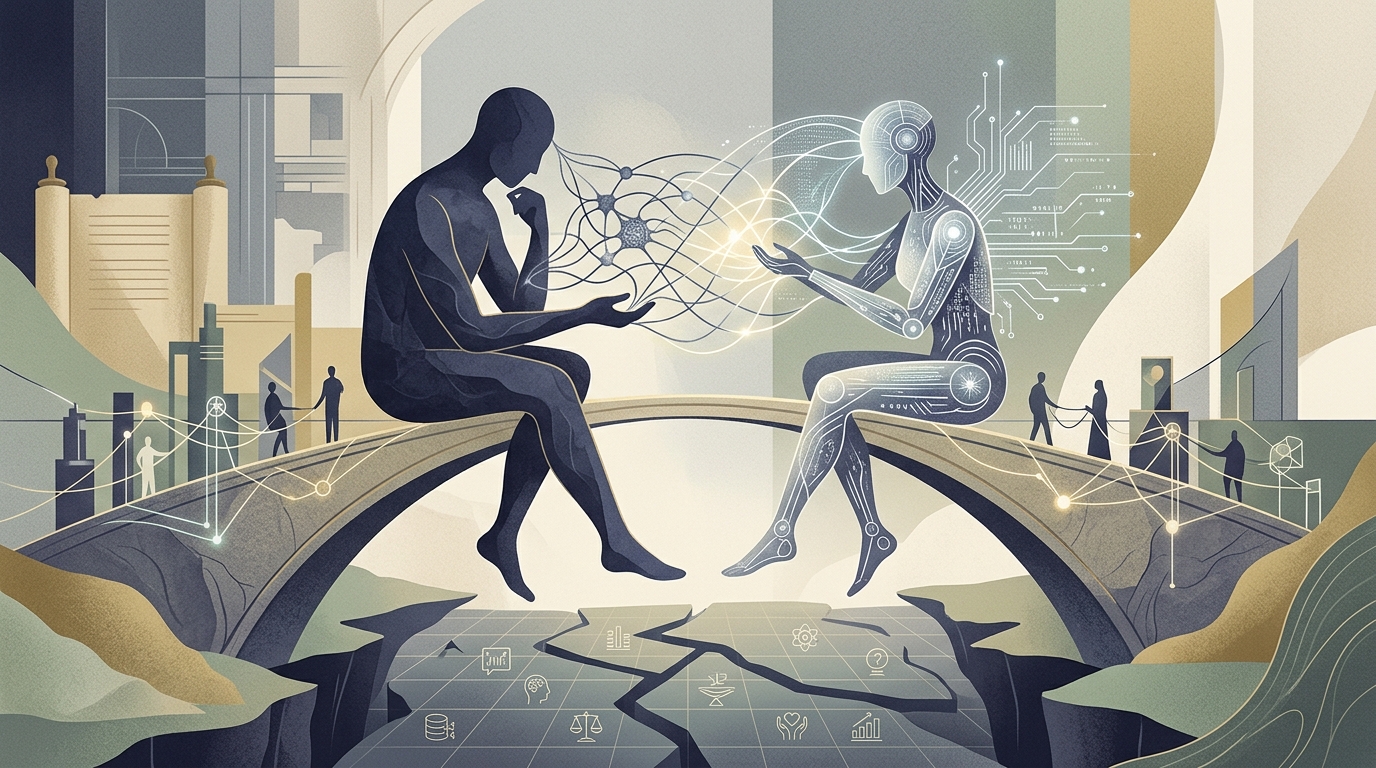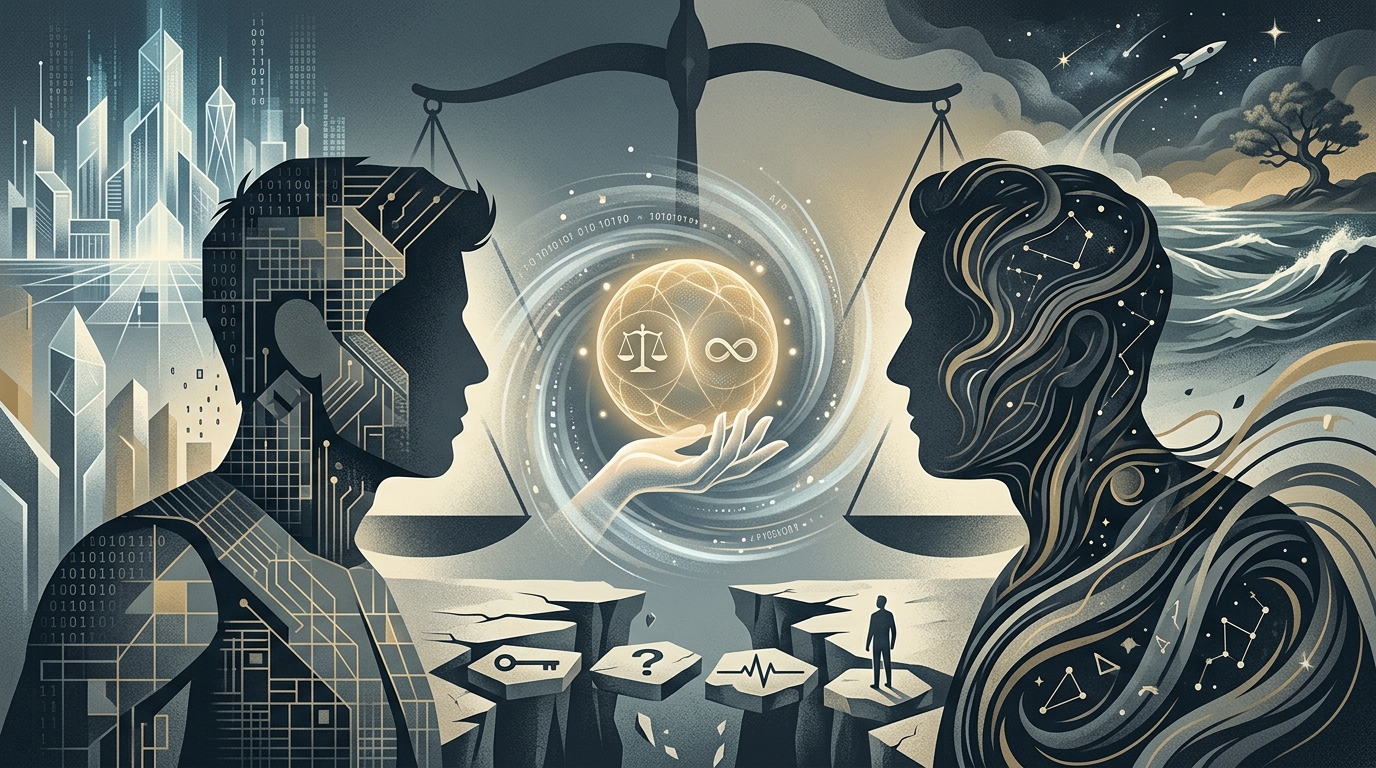
In courtrooms and across the headlines of the international press, a conflict is unfolding that transcends the boundaries of Silicon Valley. Elon Musk, the billionaire behind Tesla and SpaceX, is in direct confrontation with Sam Altman, the CEO of OpenAI. What began as a collaborative effort to create "safe and open" Artificial Intelligence has devolved into an existential battle over trust, profitability, and the very definition of Artificial General Intelligence (AGI).
The Betrayal of the Founding Agreement
The core of Musk's lawsuit lies in the allegation that OpenAI has strayed from its original mission. When it was founded in 2015, OpenAI was a non-profit organization intended to develop AI for the benefit of humanity, free from the constraints of shareholders. Musk argues that the close partnership with Microsoft and the shift toward a "capped-profit" model constitutes a flagrant breach of the "founding agreement."
For its part, OpenAI’s leadership, under Altman, maintains that the vast computational power required to develop advanced models like GPT-4 makes operating solely through donations impossible. This clash highlights a fundamental dilemma: Can the ethics of open access survive the ruthless capitalism of the technological arms race?
The AGI Enigma and Microsoft
A critical point of contention is the definition of Artificial General Intelligence (AGI). According to OpenAI’s contracts, Microsoft holds rights to the company’s technology, but these rights expire once AGI is achieved—defined as a system that outperforms humans at most economically valuable tasks. Musk claims that GPT-4 is already an early form of AGI, and therefore, OpenAI is keeping it "closed" solely to protect Microsoft’s commercial interests.
"OpenAI has been transformed into a closed-source de facto subsidiary of the largest technology company in the world: Microsoft," the lawsuit states.
This legal strategy isn't just about money; it’s about control. If a court accepts that OpenAI has already achieved a level of intelligence considered AGI, the implications for the global market and intellectual property would be seismic.
Transparency vs. Safety
Altman puts forward the argument of "safety." He claims that full disclosure of the code and parameters of powerful AI models could be dangerous, allowing malicious actors to use them for cyberattacks or biological weapons. Musk, conversely, views secrecy as the ultimate tool for power concentration. In his view, only open source allows for public scrutiny and the avoidance of a digital dictatorship.
Public opinion watches on, bewildered. Trust in AI is shaken when the two most prominent leaders in the field accuse each other of dishonesty. This trial asks the question: Whom do we trust more? A billionaire who often acts impulsively, or a company funded by a tech giant?
The Future of Governance
Regardless of the legal outcome, the message is clear: AI industry self-regulation has failed. The need for international governance frameworks and transparent auditing processes is more pressing than ever. The "battle of egos" between Altman and Musk might be the catalyst legislators needed to intervene decisively.
- The legal battle could last years, affecting the pace of innovation.
- The concept of "open source" in AI is being redefined through the lens of national security.
- Investors are seeking guarantees that internal strife will not derail the commercialization of the technology.
At the end of the day, this trial is not just about two men. It is about the social contract of the 21st century. If intelligence is to become the most valuable commodity on the planet, its distribution and control cannot be left solely to the whims of tech oligarchs.