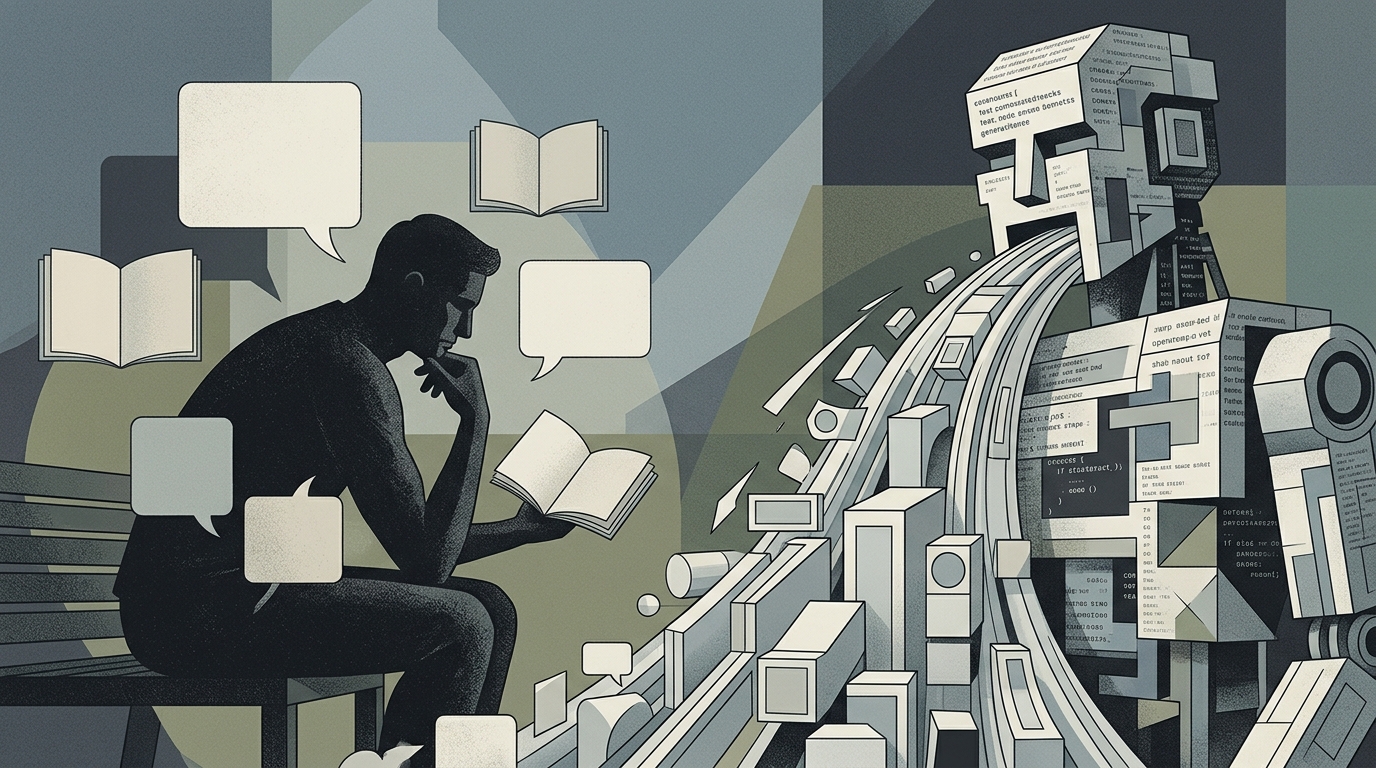
The age of innocence in our children's digital lives is officially over. As we navigate through 2026, Artificial Intelligence (AI) is no longer an exotic technology found only in research labs, but an omnipresent companion in the daily lives of students. From intelligent tutoring systems to social media algorithms that shape adolescent psychology, AI has permeated every facet of educational and social life. However, this integration comes with a dark side: a new generation of cyber threats that directly target the vulnerabilities of childhood and adolescence.
The New Landscape of Cyber Threats: Beyond Simple Phishing
Traditional internet risks, such as phishing and malware, have evolved into something far more complex and potentially devastating. Generative AI allows for the creation of hyper-realistic deepfakes, which are increasingly used for cyberbullying among students. Photos and videos of minors can be manipulated to damage a child's dignity and mental health, often with no easy way to permanently delete them from the web.
Furthermore, social engineering algorithms have become frighteningly effective. AI bots can now simulate human conversation with such precision that they can lure minors into dangerous behaviors or extract sensitive personal data. "Targeted manipulation" is no longer just about toy advertisements; it’s about shaping ideologies and fostering addictive behaviors through algorithms that recognize and exploit the emotional fluctuations of teenagers.
The Role of Schools and the Need for AI Literacy
Schools are called to act as a bulwark against this digital storm. Traditional computer science education is now insufficient. The integration of "AI Ethics" into the curriculum is a necessity. Students must learn not only how to use AI tools but also how to question them. The ability to distinguish AI-generated content from reality is becoming a fundamental survival skill.
"It is not enough to protect children from technology; we must equip them with the critical thinking to deconstruct it," say leading educational experts.
Teachers, for their part, find themselves in a challenging position. They must stay updated on rapid developments while managing incidents of digital violence that often originate outside school hours but spill over into the classroom. Teacher training in cybersecurity and internet psychology is now an urgent priority for every modern educational system.
Parental Responsibility: From Prohibition to Guidance
Many parents feel helpless in the face of their children's technological prowess. However, the solution does not lie in blanket prohibitions, which often lead to isolation or clandestine use. "Digital parenting" in 2026 requires active engagement. Parents must create an environment of trust where a child feels safe reporting something suspicious encountered online, without fear of punishment or device confiscation.
- Setting boundaries on the use of AI tools for school assignments.
- Discussing the value of personal data and privacy.
- Utilizing AI-based parental control tools to detect dangerous content without completely violating the child's privacy.
Ultimately, protecting minors from AI-driven cyber threats is a marathon, not a sprint. It requires state cooperation to establish strict legislative frameworks (such as the full implementation of the EU AI Act), tech companies to design safe products (Safety by Design), and society to re-evaluate our relationship with the digital world. At stake is not just data security, but the very development of the personality of future generations.