Artificial Intelligence (AI) is no longer a futuristic promise; it is the architect of our daily lives. From algorithms that decide who gets a loan to systems that filter resumes, AI is reshaping reality for billions of people. However, a disturbing truth is emerging from recent reports by UNRIC and international organizations: AI is systematically "failing" women, reproducing and magnifying centuries-old biases on a digital scale.
The Data Gap: The Invisible Woman
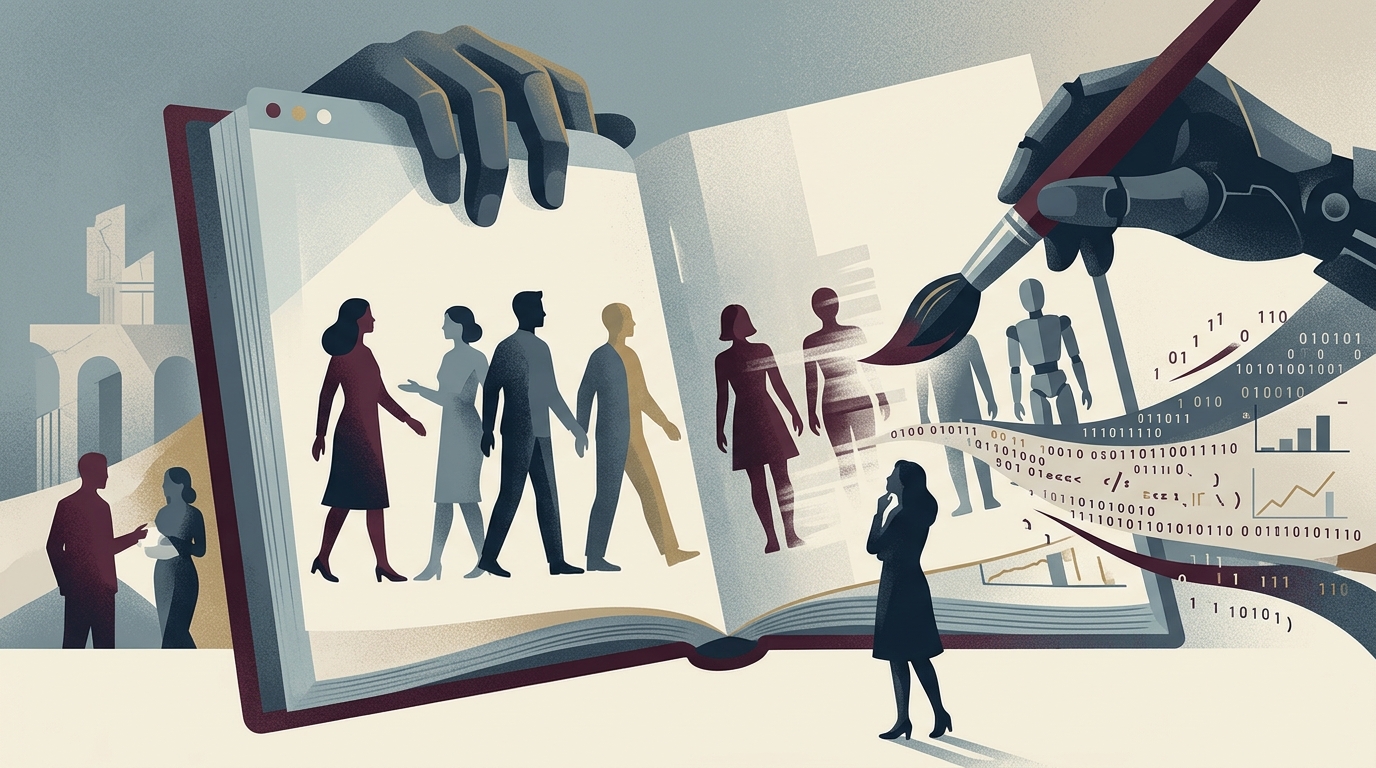
The fundamental problem lies in the training data. Algorithms learn from the world as it is recorded on the internet and in historical databases—a world where women are often underrepresented or presented through restrictive roles. As Caroline Criado Perez noted in her seminal work "Invisible Women," the absence of data on women leads to a world designed for the "default male." In AI, this translates into facial recognition systems that struggle to identify female features, especially for women of color, and medical diagnostic tools that ignore symptoms that manifest differently in the female body.
AI is not an objective judge. It is a mirror of our own prejudices. When we feed a model data from a society that still struggles with patriarchy, the model will not invent equality; it will optimize inequality. This phenomenon, known as "algorithmic bias," is not just a technical glitch but a profound social threat that requires immediate intervention.
Generative AI and the Revival of Stereotypes
With the explosion of Generative AI, the problem has taken on new dimensions. Image generation tools often depict "CEOs" as men and "secretaries" or "homemakers" as women, even when prompts are gender-neutral. Even more concerning is the hyper-sexualization of women in generated images. Studies have shown that algorithms tend to add revealing clothing or hyper-feminize features, reinforcing the objectification that feminist movements have been fighting to dismantle for decades.
- Automated content creation often excludes female scientists or historical figures from its summaries.
- Digital assistants (Siri, Alexa) traditionally have female voices and submissive tones, reinforcing the perception of women as "helpers."
- The creation of non-consensual deepfake pornographic material targets women in over 90% of cases, constituting a new form of gender-based violence.
Economic Exclusion and the Need for Regulation
The implications are not only cultural but also deeply economic. AI systems used by banks for credit scoring have been found to give lower credit limits to women compared to men with similar financial profiles. In employment, hiring algorithms have rejected female applications simply because the company's historical data showed a preference for male candidates over the last 20 years.
"If we do not fix the bias in Artificial Intelligence now, we risk encoding sexism into the very fabric of our future society, making it nearly impossible to eradicate."
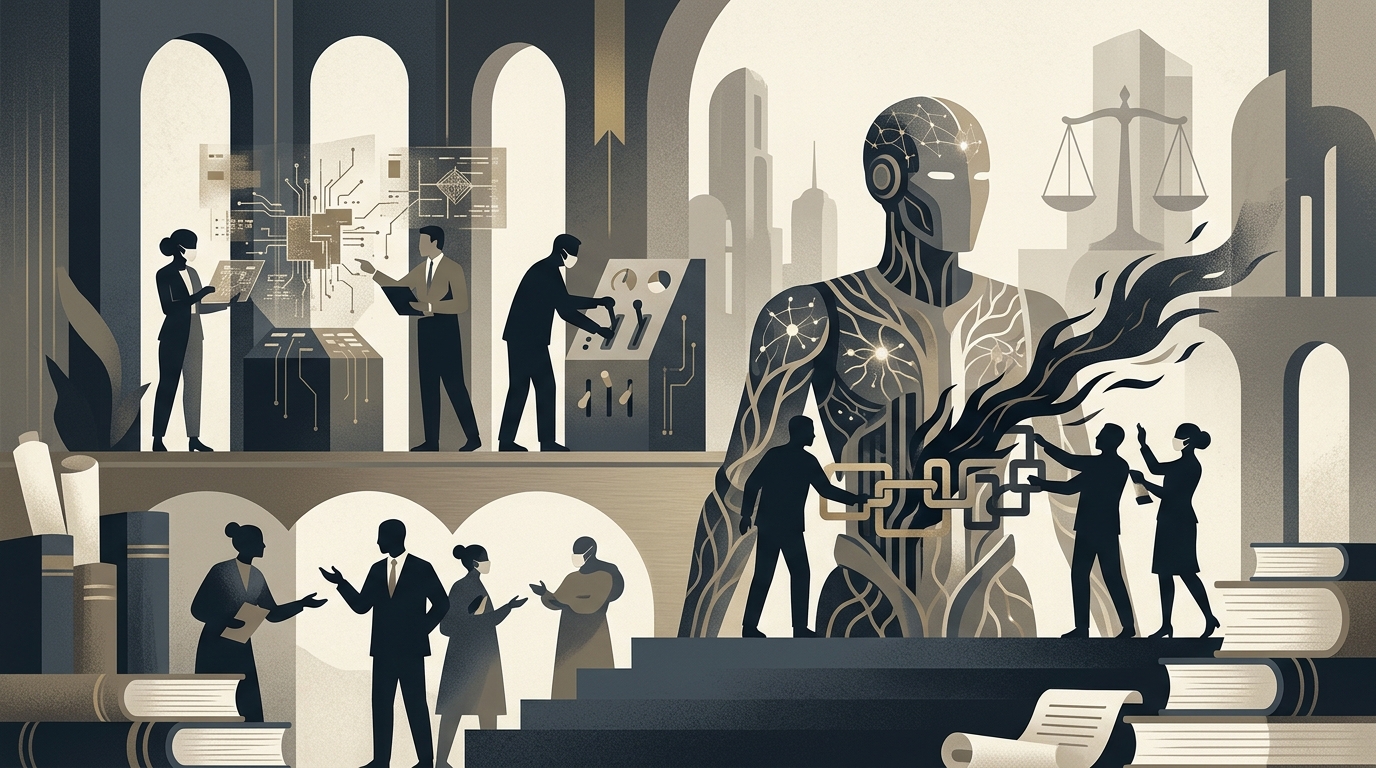
The solution is not purely technical. It requires the participation of more women in the design and development of these systems—a field currently dominated by men. Furthermore, legislation, such as the EU's AI Act, must enforce strict audits for gender neutrality and data transparency. Artificial Intelligence has the potential to become a tool for liberation, provided we stop feeding it the ghosts of our past.