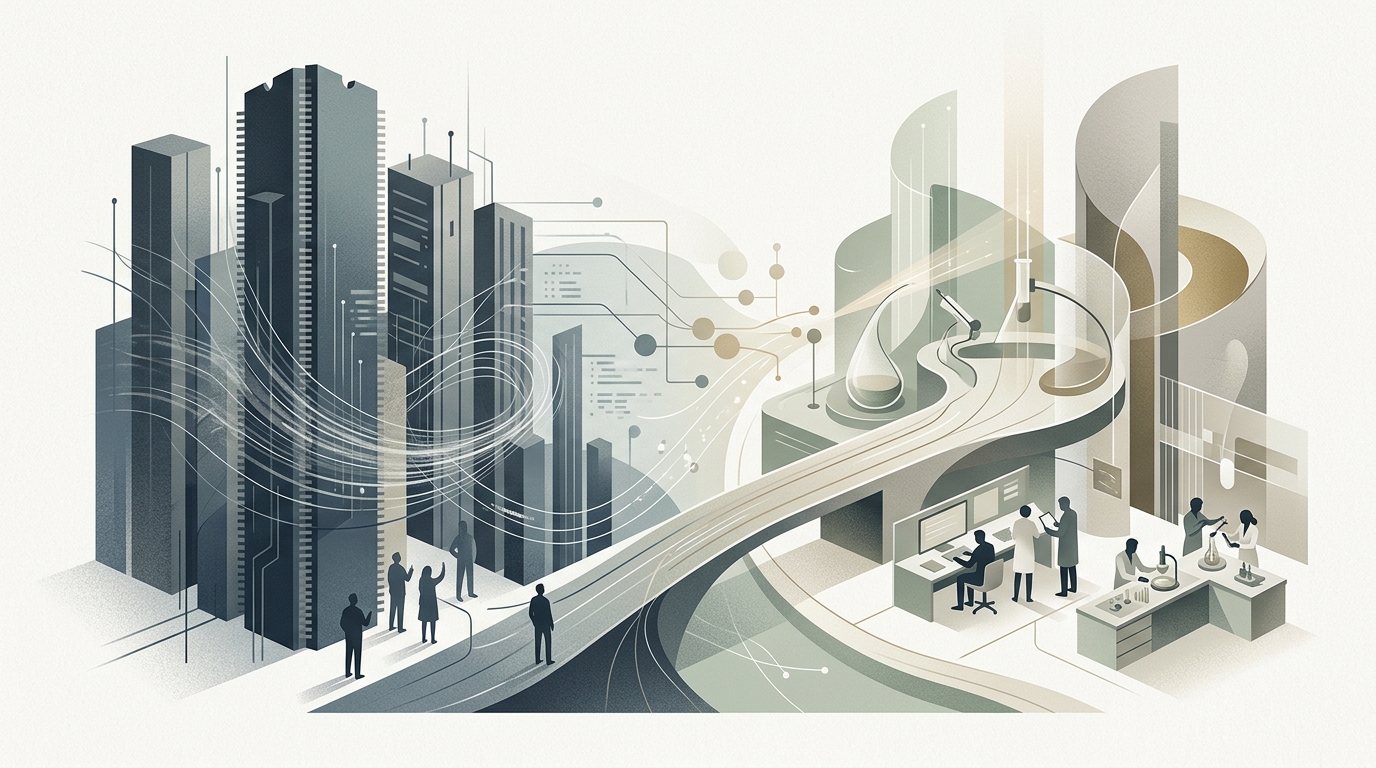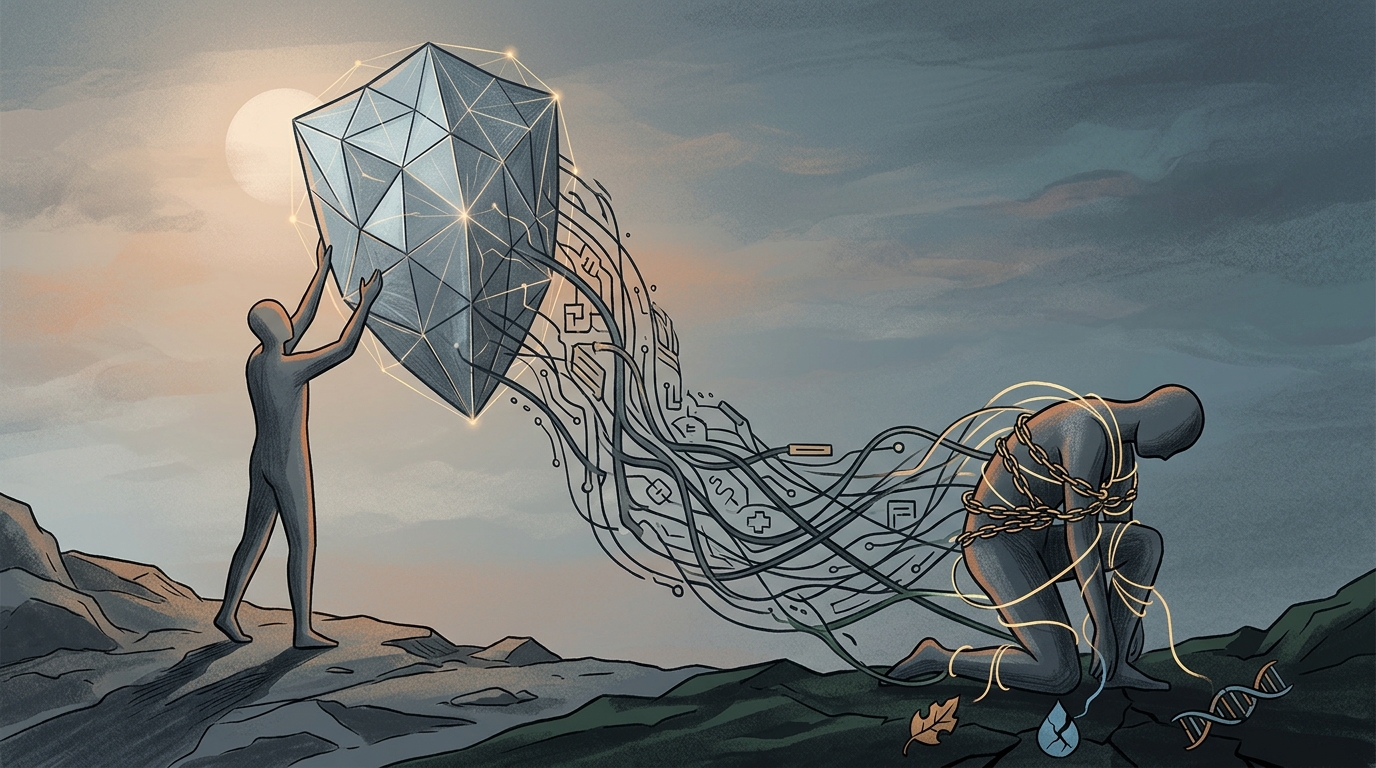
At the dawn of the Fourth Industrial Revolution, the question is no longer whether Artificial Intelligence (AI) will change work, but who will be left behind on the path to digital transformation. A recent study from the Center for Retirement Research (CRR) brings an alarming dimension to light: the possibility that older workers may see their careers abruptly cut short, not due to a lack of competence, but because of the speed at which AI obsolesces traditional skills.
The Threat of Skill Obsolescence
Historically, technological shifts have favored the young, the so-called "digital natives." However, Generative AI is different. It doesn't just replace manual labor; it encroaches on domains traditionally held by experienced professionals, such as data analysis, report writing, and strategic decision-making. Workers over 50, often in managerial roles, now face an algorithm that can process information in seconds, rendering part of their experience "redundant" in the eyes of management.
"Decades of experience risk being viewed as a liability rather than an asset if not accompanied by the ability to wield new tools," the report states.
This phenomenon creates a new form of job insecurity. While younger workers have time to adapt and train, older workers find themselves at a critical juncture. Investing in the reskilling of a worker who is only five or ten years away from retirement is often seen as "unprofitable" by corporations, leading to an indirect exclusion.
Algorithmic Ageism and Forced Retirement
One of the greatest risks identified by the CRR is "algorithmic ageism." Hiring and evaluation algorithms, trained on data that often contains biases, may downgrade older candidates, perceiving them as less "flexible" or more "expensive." This leads to a "push-out" effect: workers aren't always fired directly, but are marginalized until they choose early retirement.
- Reduction in promotion opportunities for those over 55.
- Limited access to AI training programs.
- Increased pressure to perform using tools that were not part of their core education.
Early exit from the labor market is not just a personal blow to the worker; it is a ticking time bomb for social security systems. When experienced professionals retire prematurely, valuable institutional memory is lost, and contributions to pension funds decrease at the same time that pension expenditures rise.
AI as a Tool for Career Longevity
Despite the challenges, there is another side to the coin. Artificial Intelligence could, under the right conditions, serve as a bridge for older workers. AI tools can compensate for physical fatigue or the decline of certain cognitive speeds, allowing experienced workers to focus on judgment, creativity, and mentoring.
For this to happen, a radical shift in corporate culture is required. Businesses must understand that AI is not a substitute for human judgment but a power multiplier. The coexistence of the technological sharpness of the young with the strategic composure of the old is the key to sustainable growth. The state, for its part, must establish incentives for the employment of older individuals and ensure that lifelong learning is not an empty slogan but an accessible reality for everyone, regardless of age.
Conclusion: A Moral Imperative
The discussion about AI and the employment of older workers is not just economic; it is deeply ethical. A society that discards its people as soon as technology changes is a society without memory and without a future. The challenge is to ensure that Artificial Intelligence is used to build bridges between generations, not to demolish the careers of those who built the world we live in today.