Music, historically the sanctuary of the human soul and intellectual expression, is currently facing an existential challenge. The rapid advancement of Generative Artificial Intelligence is no longer merely a supportive tool for creators; it is transforming into a dominant force that threatens to fundamentally overturn the economic and artistic ecosystem of the global music scene. As we navigate through July 2026, the debate has shifted from whether AI can write a hit song to who owns the rights to "inspiration" and what authenticity means in a world of digital replicas.
The Legal Clash of Giants: RIAA vs. Suno and Udio
The recent legal battle initiated by the Recording Industry Association of America (RIAA) against AI music heavyweights like Suno and Udio marks a definitive turning point. The allegation is clear: these companies trained their models using vast quantities of copyrighted material without the creators' permission. The AI companies' defense rests on the concept of "fair use," arguing that generating new sounds from studying existing ones is no different from how a human musician draws inspiration from their influences.
However, the difference in scale is chaotic. AI does not get "inspired"; it processes statistical data. The ability to produce millions of songs within minutes floods streaming platforms, making it nearly impossible for independent artists to be heard. This hegemony is not just economic but structural, as algorithms on Spotify and Apple Music tend to favor content that fits specific "moods," leading to a dangerous algorithmic uniformity.
The Devaluation of Art and the "Sonic Wallpaper"
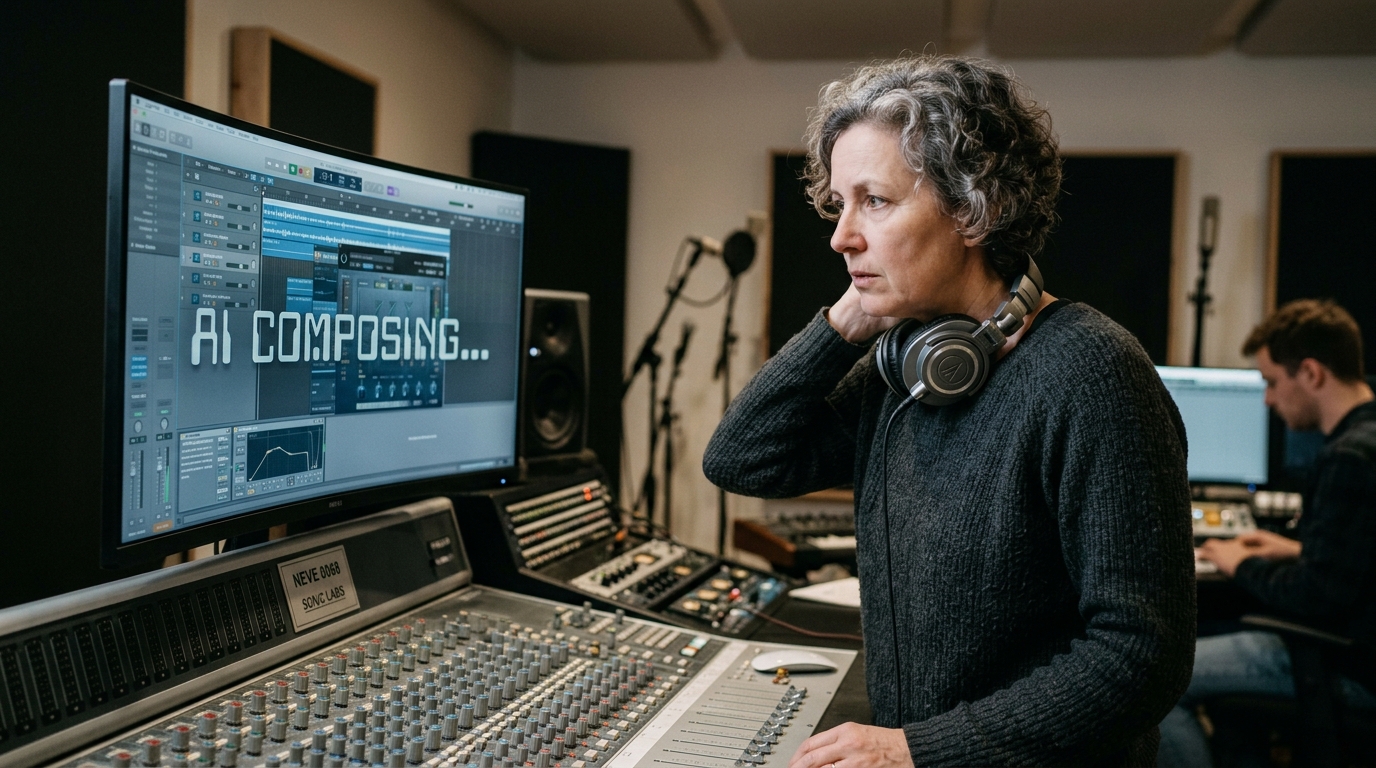
One of the greatest concerns is the transformation of music into a low-cost commodity. AI is exceptionally efficient at creating "functional music"—tracks for relaxation, study, or video backgrounds. This segment of the market, which previously sustained thousands of professional musicians and composers, is now being occupied by algorithmically generated works that require no royalty payments to humans.
- Displacement of Musicians: Session musicians and commercial composers are seeing the demand for their services plummet.
- Voice Cloning: Deepfake technology allows for the creation of songs using the voices of famous artists without their consent, raising serious issues of personality and identity.
- Cultural Stagnation: Since AI is trained on the past, there is a risk that music will be trapped in an endless recycling of old styles, preventing the emergence of truly new and groundbreaking genres.
"Music is the communication between two human souls. When you remove the human from the equation, you are left with a soulless noise, no matter how perfectly structured it may be," a prominent composer noted in a recent symposium.
Searching for a New Social Contract
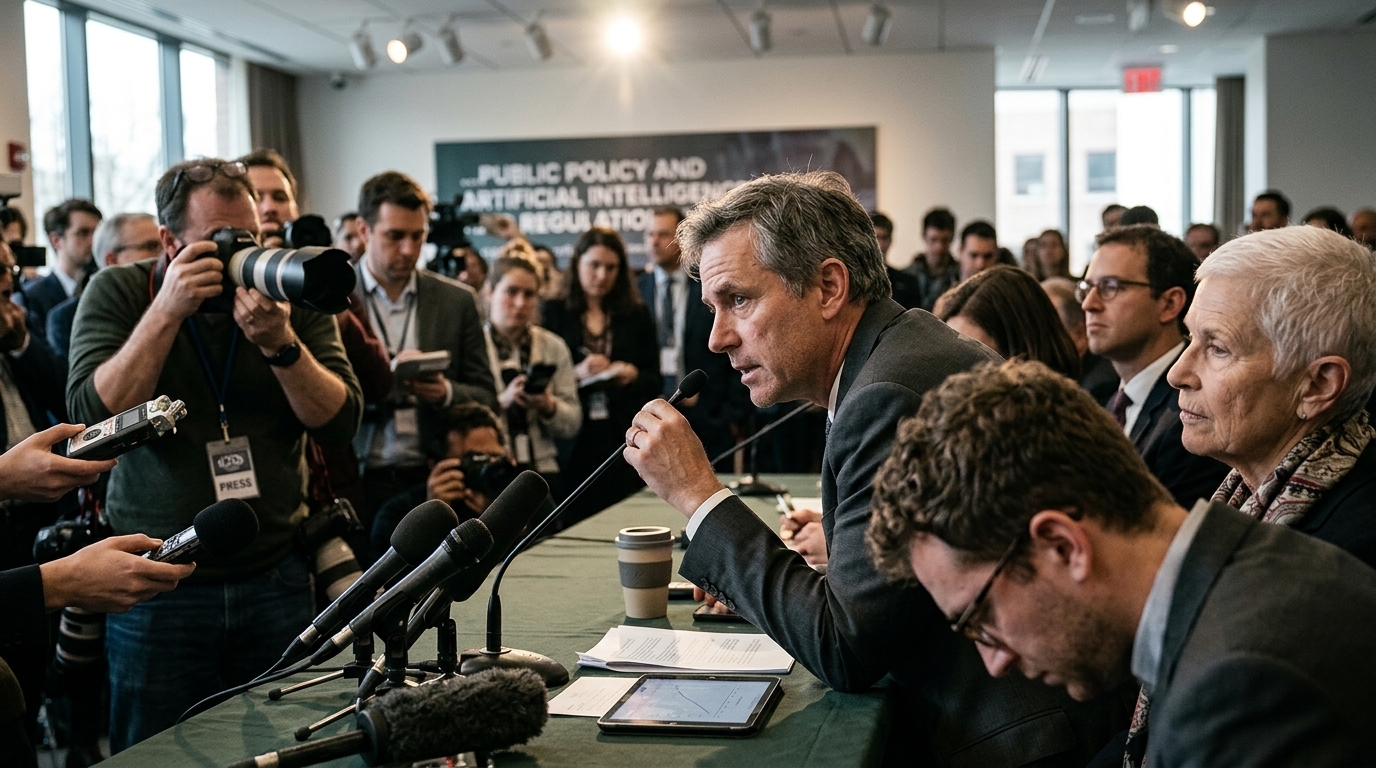
The challenge for the future is the institutionalization of a framework that protects human creation without strangling innovation. The European Union, through the AI Act, is attempting to enforce transparency in training data. However, technology moves faster than legislation. The need for a "digital watermark" to distinguish human from synthetic work is imperative, as is the creation of new remuneration models that compensate artists for the use of their work in the model-training process.
In conclusion, AI's dominion over music is not an inevitable disaster but a wake-up call. Society must decide if it values art as an experience of connection or as a mere consumer product. If we allow AI to dominate without conditions, we risk losing the most human part of ourselves: the ability to express pain, joy, and revolution through melody.