As we approach the zenith of the 2026 election cycle, the atmosphere is unlike any previous contest. Artificial Intelligence (AI) has ceased to be a futuristic talking point on news panels and has become the central axis around which political power, financing, and mass psychology revolve. From the boardrooms of Silicon Valley to local polling stations, AI’s presence is ubiquitous, triggering an unprecedented combination of technological euphoria and existential anxiety.
The New Military-Industrial Complex of the Mind
Campaign financing has undergone a radical transformation. Capital flowing from AI giants and venture capitalists has largely replaced traditional donations from the oil industry or the banking sector. Companies like Anthropic, OpenAI, and Google are no longer mere observers but active players attempting to shape the regulatory framework that will govern their operations for years to come. Anthropic, in particular, appears to be following a unique strategy, distancing itself from the pack by emphasizing "responsible influence" and safety, attempting to reassure lawmakers while simultaneously cementing its position on the political chessboard.
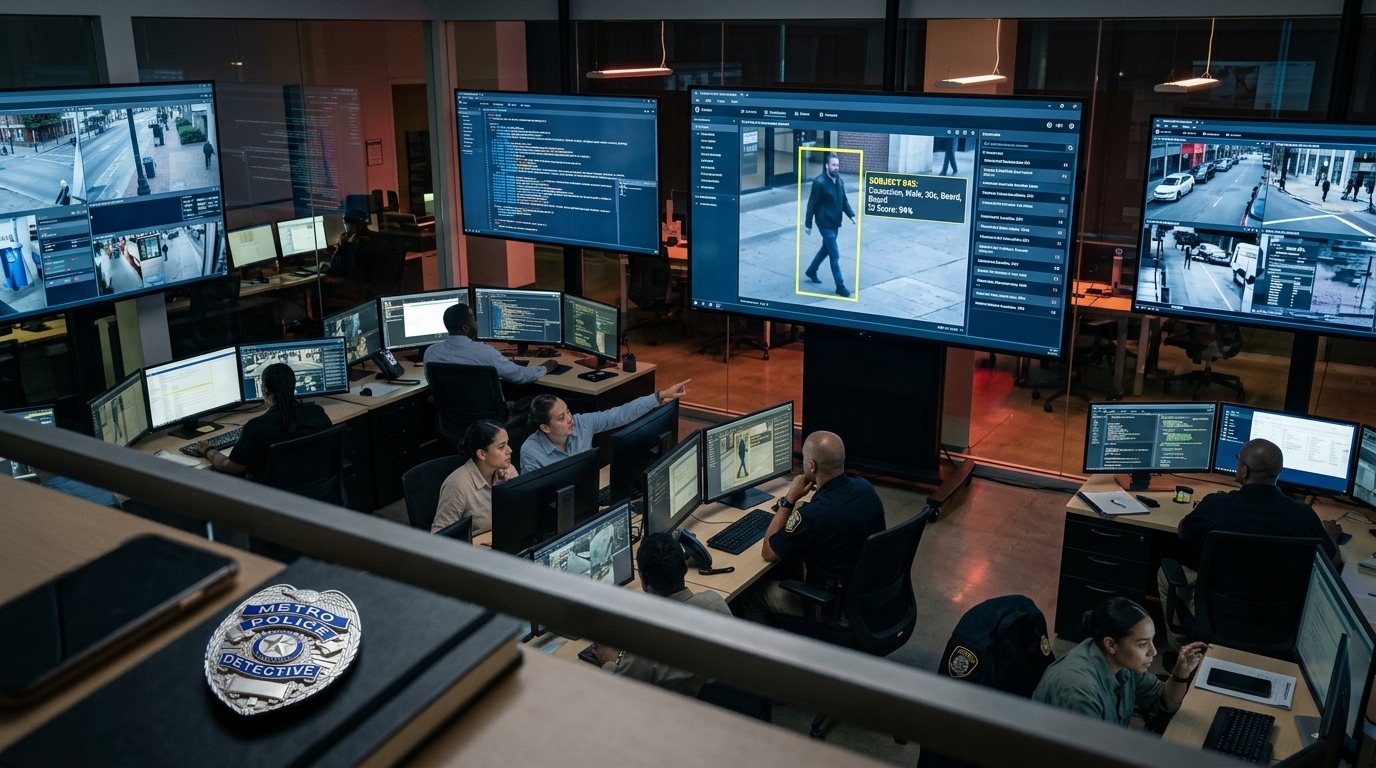
"AI money" doesn't just go toward television spots. It funds sophisticated micro-targeting algorithms capable of analyzing a voter's psychology with split-second precision, delivering personalized messages that exploit their deepest anxieties. This new form of political investment creates a dependency of candidates on the tech elite, raising serious questions about who truly controls the agenda of national elections.
The Psychology of Fear: Deepfakes and Disinformation
If money is the driving force, anxiety is the fuel. Voters in 2026 find themselves in a state of constant confusion. The emergence of hyper-realistic deepfakes has rendered the concept of "truth" subjective. When a video of a candidate can be fabricated in minutes, citizens begin to doubt everything—even real events. This phenomenon, which analysts call the "liar’s dividend," allows politicians to dismiss genuine but incriminating information as "AI-generated products."
- Mass production of AI content reduces the cost of smear campaigns significantly.
- Over 65% of voters report feeling "unprotected" against digital deception.
- The use of AI to automate voter outreach has led to saturation and further alienation.
Anthropic has attempted to introduce ethical guardrails, refusing to allow its models to be used for political propaganda. However, in the free market of the internet, where hundreds of open-source models exist without restrictions, one company's effort is a drop in the bucket. The anxiety isn't just about what is real, but whether democratic institutions themselves can withstand the speed of technological evolution.
The Regulatory Challenge and the Road Ahead
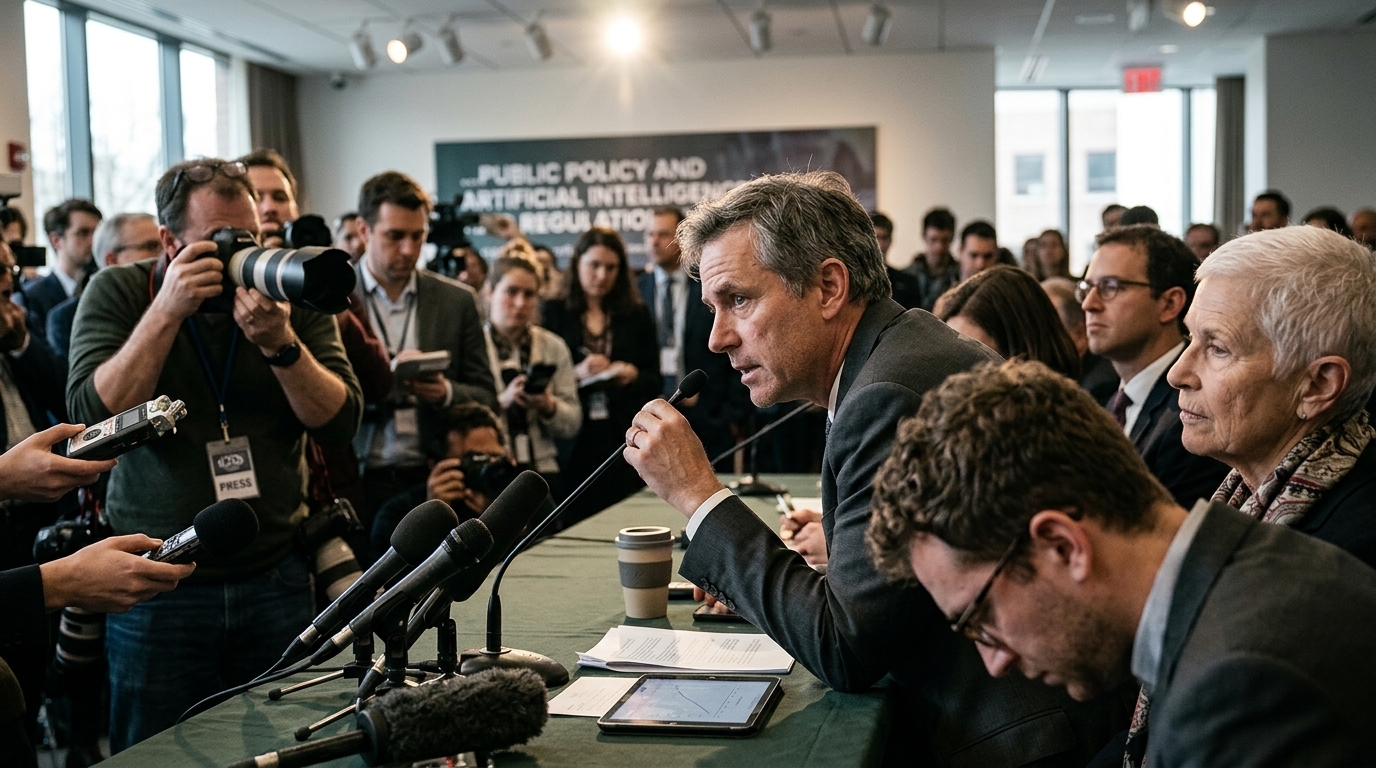
The debate over AI regulation in elections has become a battlefield. While some call for a total ban on AI-generated advertisements, others argue this would restrict free speech. The paradox is that the very companies creating the technology are the ones being called upon to advise the government on its limitation. This conflict of interest is the heart of the problem in 2026.
"We are not just facing a new technology, but a new form of governance where the algorithm is the mediator between the citizen and power," notes a prominent Washington political analyst.
In conclusion, the 2026 elections will go down in history as the moment humanity realized that AI is not an external tool, but an internal factor of our social fabric. The challenge for the future is not merely technical but deeply ethical: how can we preserve human judgment in a world where the machine can mimic the human voice, the face, and ultimately, the political will itself?