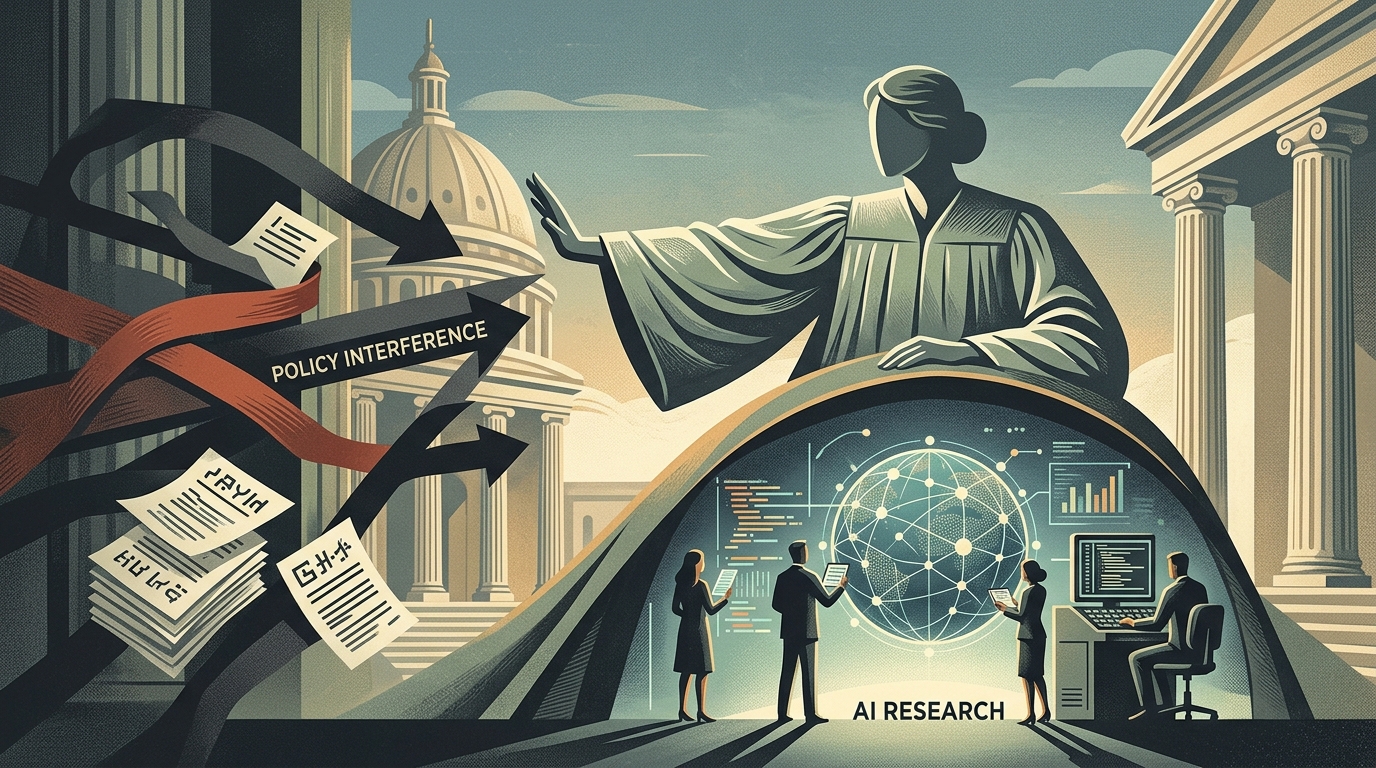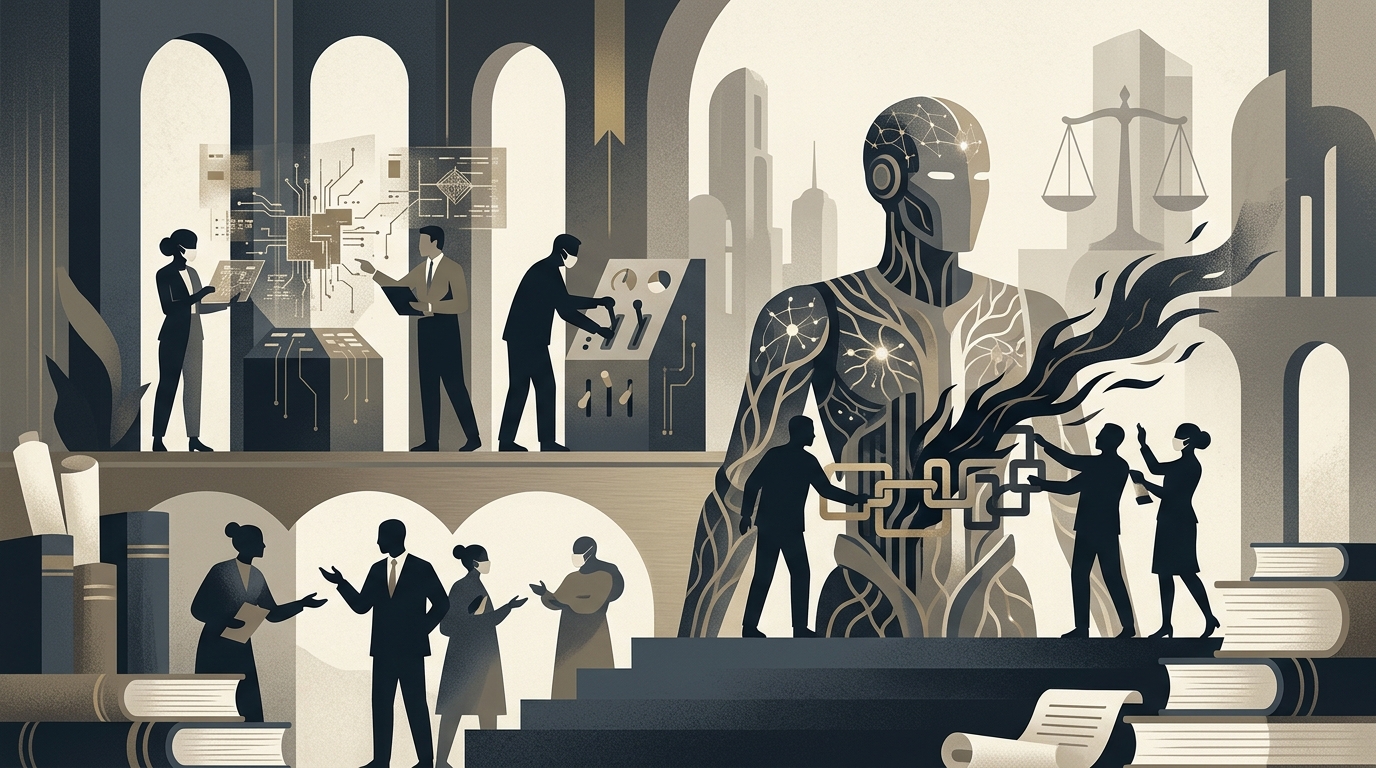
In the heart of Athens, the cradle of dialogue and critical inquiry, the discourse surrounding Artificial Intelligence (AI) is acquiring a profound new dimension. It is no longer merely a question of processor speeds or the linguistic fluency of Large Language Models (LLMs); it is a fundamental confrontation with the roots of our existence. As highlighted by a recent feature in Athens Voice, the intersection of technology and philosophy is not an academic luxury but an urgent necessity for survival in a rapidly shifting world.
The Ghost in the Machine: Ontological Inquiries
The primary question modern philosophy poses to AI is that of consciousness. Can a system built on statistical probabilities and data processing truly "understand" the world? Here, John Searle’s distinction between "syntax" and "semantics" remains more relevant than ever. AI can compose texts that appear human, yet it lacks "subjective experience" (qualia). However, the challenge is two-fold: if a machine behaves as a thinking being, is our insistence on searching for an "inner flame" merely an anthropocentric anachronism?
Philosophy invites us to re-examine what it means to "know." In Plato’s "Theaetetus," knowledge is defined as "justified true belief." In the case of AI, we have the justification (via data) and often the truth, but the intention is absent. This lack of agency transforms AI into a mirror of human intellect—one that risks becoming the distorting lens through which we will perceive reality in the future.
Ethics and Responsibility: The Digital Trolley Problem
Beyond ontology, ethics serves as the battlefield for the most intense conflicts. Autonomous systems are already being called upon to make decisions that traditionally resided within the sphere of human judgment. From self-driving cars to algorithms recommending medical diagnoses or judicial rulings, the question persists: who bears the responsibility? The Aristotelian concept of "phronesis"—the practical wisdom that enables a person to act rightly in specific circumstances—appears to be the ultimate goal in AI programming.
- Transparency and Black Boxes: Our inability to comprehend the decision-making processes of neural networks creates a moral vacuum.
- Bias and Justice: Algorithms often replicate the prejudices of their creators, threatening social cohesion.
- The Value of Human Touch: In a world of automated care, what is the place of empathy?
Stoic philosophy offers an intriguing perspective: focusing on what we can control. Since we cannot halt technological progress, we must control the ethical framework within which it evolves. The need for "Ethics by Design" is not just a technical specification but a philosophical commitment to future generations.
The Crisis of Truth and Transhumanism
Finally, the meeting of AI and philosophy brings us face-to-face with the concept of truth. In an era of deepfakes and generative AI, the distinction between the real and the artificial is collapsing. Jean Baudrillard warned of "hyperreality," where the copy becomes more real than the original. Today, this scenario is manifesting through code.
"Artificial intelligence does not threaten our thought as much as it threatens our ability to agree on what is true," analysts note within the context of the dialogue initiated by Athens Voice.
The path to the future requires a new "digital literacy" grounded in the classical humanities. If AI is the most powerful tool ever constructed by humanity, philosophy is its user manual. Without it, we risk becoming "sorcerer's apprentices" who lose control of their creations—not due to technical failure, but due to moral amnesia.