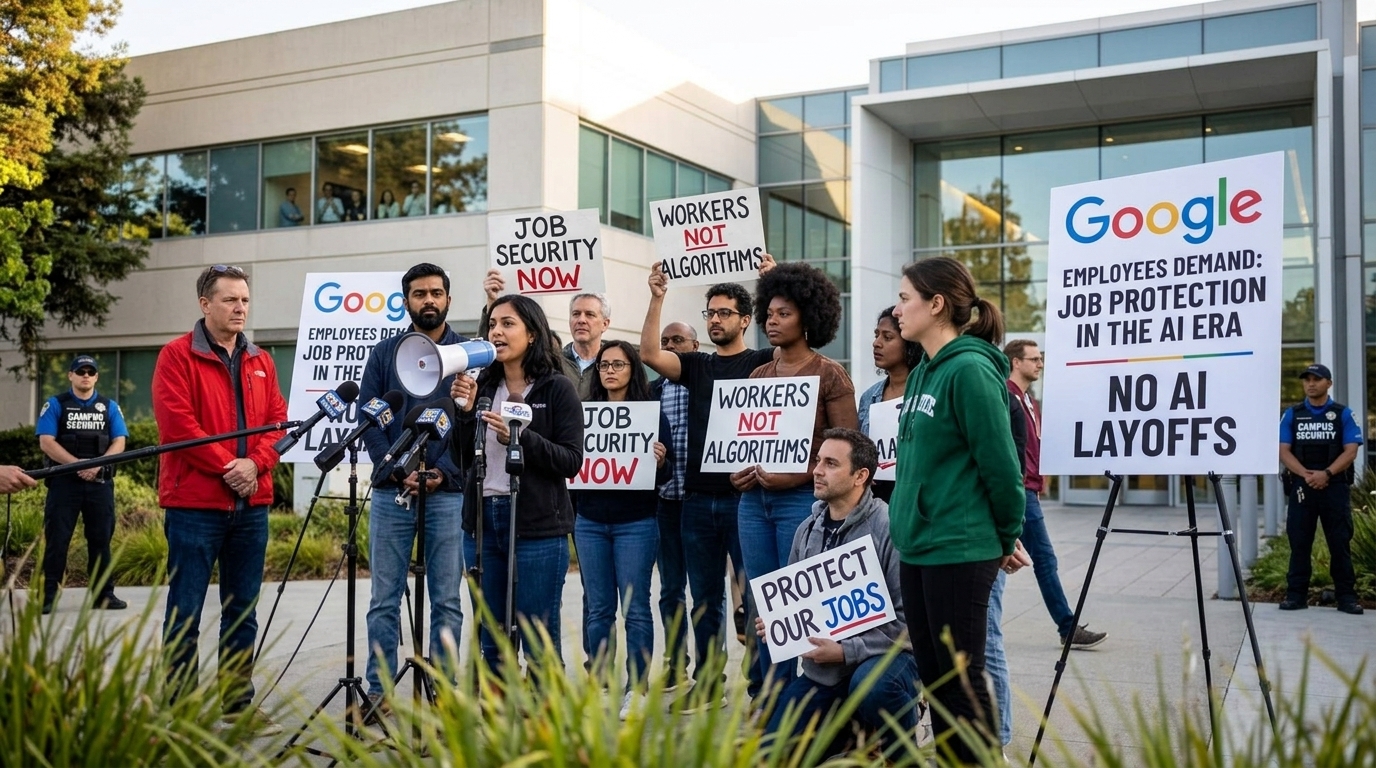
The spring of 2026 finds the global labor market in a state of profound upheaval. What began as a promise of hyper-productivity through Artificial Intelligence (AI) has devolved into a "rain" of layoffs striking the core of the Western middle class. From Silicon Valley to the City of London, the phrase "restructuring due to automation" has become the standard refrain in corporate announcements. Yet, while the West seems to be surrendering to the cold logic of balance sheets, a landmark judicial decision from China is emerging as a moral and legal beacon, reminding us that human creativity remains the irreplaceable pillar of our civilization.
The Western Reality: Deconstructing Human Labor
In the United States and Europe, the phenomenon of AI-driven layoffs is no longer confined to blue-collar or repetitive tasks. White-collar roles—ranging from software engineering and legal research to graphic design and translation—are under siege. Corporations, pressured by shareholders for perpetual cost reduction, are replacing entire departments with specialized Large Language Models (LLMs). The ethical dimension of this transformation is staggering: it is not merely technological evolution, but a systematic devaluation of human experience.
Recent data indicates that in the first four months of 2026, there was a 45% increase in layoffs directly attributed to the adoption of Generative AI tools. The paradox is stark: while companies report record profits, the social cost is offloaded onto the state and the workers themselves, who are told to "reskill" in a market shrinking faster than their ability to learn. The West is facing an identity crisis where innovation, instead of liberating the human spirit, appears to be making it redundant.
The Chinese Precedent: Judicial Recognition of the Human Element
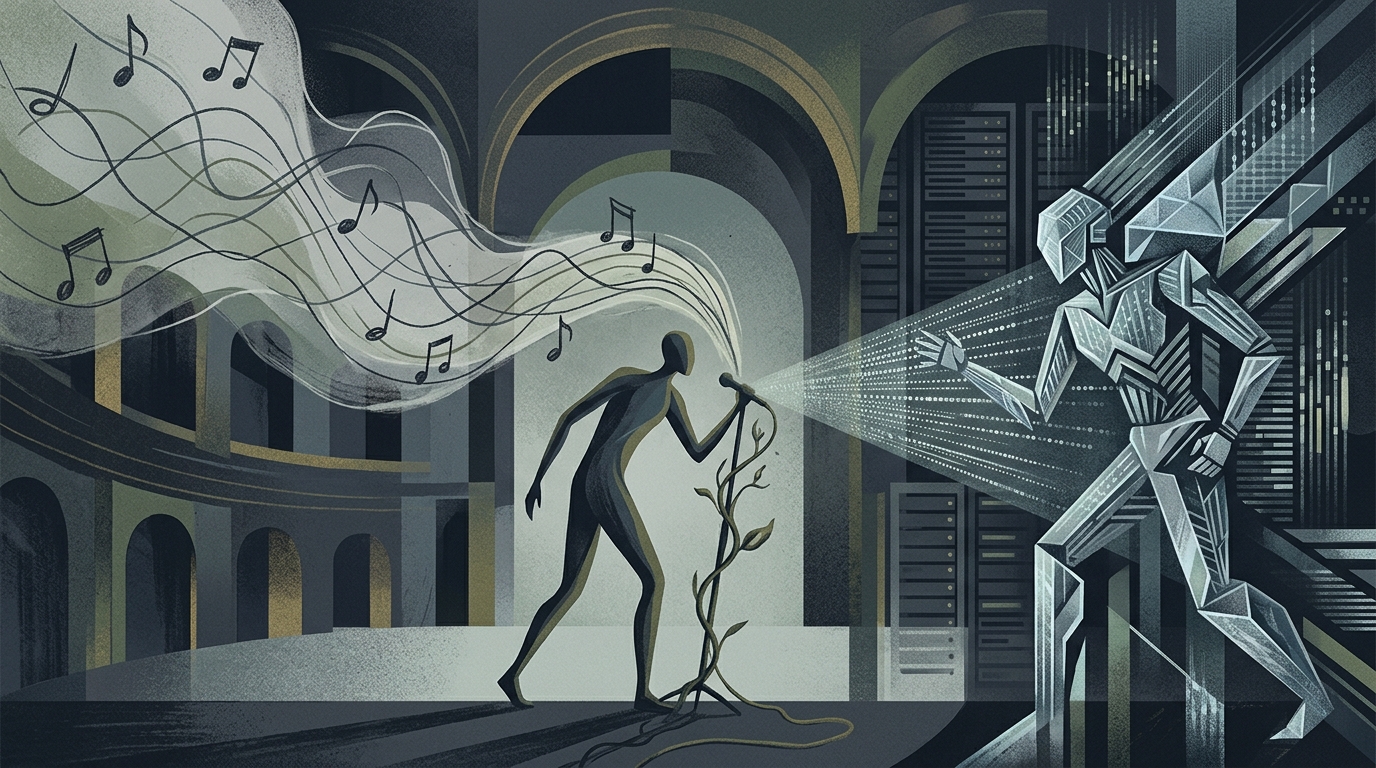
In contrast to this trend, a recent ruling by the Beijing Internet Court has sent shockwaves through the global legal community. In a case involving AI-generated imagery, the court ruled that the intellectual effort exerted by the human director of the technology (through prompts, iterative selection, and refinement) grants the final product the status of a protected work. This decision is more than a legal nuance; it is an ethical manifesto. While the West often treats AI as a replacement, Chinese jurisprudence is beginning to define it as a tool that requires a human "spark" to possess value.
- The ruling acknowledges that selecting parameters and guiding the machine constitutes "intellectual labor."
- It lays the groundwork for protecting creators in the age of automation.
- It creates a precedent where technology cannot exist autonomously without human intervention to claim legal standing.
This approach stands in sharp contrast to the practices of many Western firms using AI to bypass copyright and slash creative fees. China, despite its authoritarian political structure, seems to grasp that maintaining social stability requires recognizing the individual's worth within the production process. The court's decision effectively tethers AI output to human agency, preventing a total dehumanization of the creative economy.
The Ethics of Survival in the Algorithmic Age
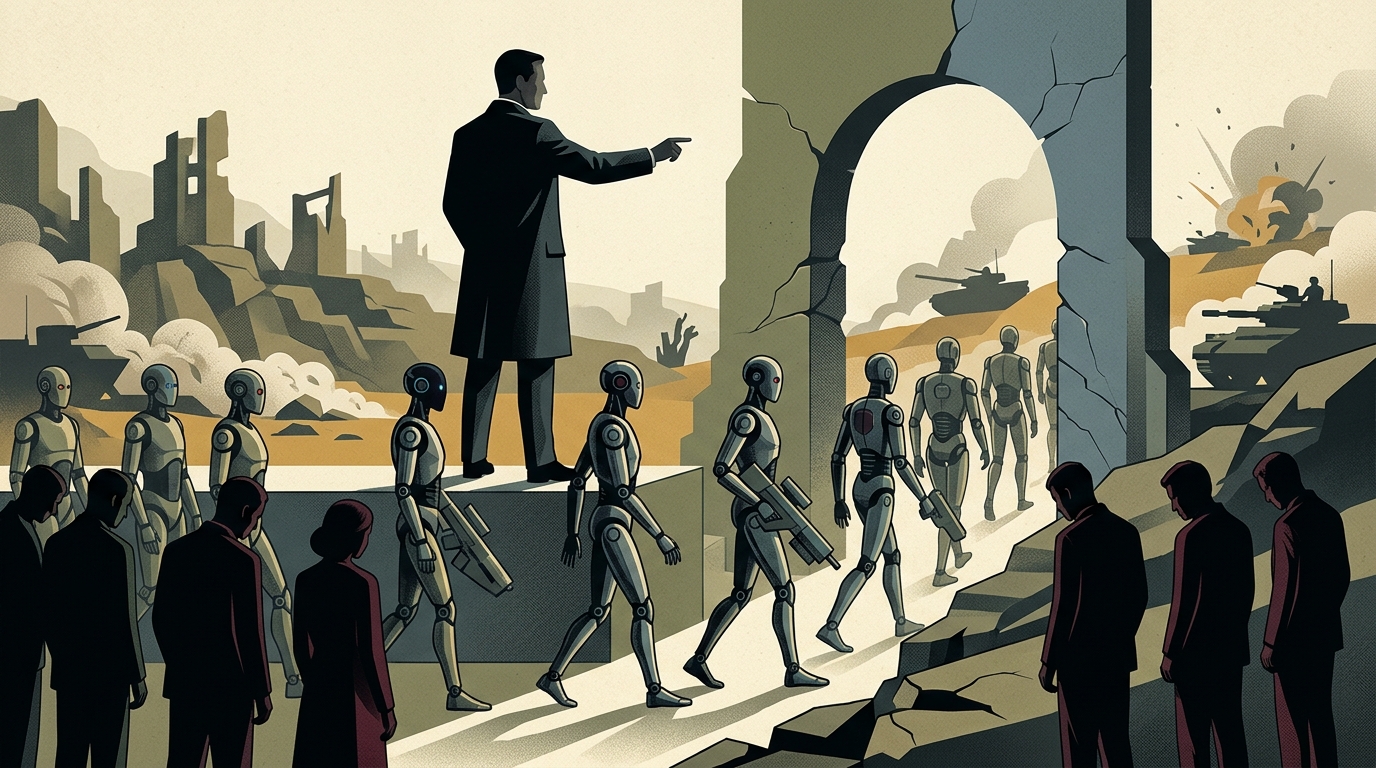
The pressing question now is: who reaps the "AI dividend"? If the surge in productivity leads only to mass displacement and the concentration of wealth within a handful of AI infrastructure giants, the Western social contract faces collapse. The ethics of technology cannot be limited to data privacy or bias mitigation; it must expand to the ethics of wealth distribution and labor protection.
"Artificial intelligence should not be the end of human labor, but the beginning of a new era where the machine serves creativity rather than profit at the expense of dignity," states a report from the Global Observatory for Tech Ethics.
The friction between the Western market-driven approach and the Chinese judicial counterweight highlights the need for a new global governance of AI. It is not enough to debate whether AI will become "conscious"; we must debate how we remain conscious of the needs of our fellow citizens who are losing their livelihoods. China's decision may be the first crack in the wall of total automation—a reminder that a human being is not merely a "cost" to be cut, but the sole provider of meaning in our digital world.