The history of humanity is a continuous succession of technological shocks. From James Watt's loom to the advent of the internet, every major innovation has been accompanied by the same existential cry: "The machines will take our bread." Today, Artificial Intelligence (AI) does not just promise to replace our muscles, but our thoughts. The question of whether AI "eats" jobs or creates new ones no longer admits a simple, one-word answer. We are at a turning point where productivity is skyrocketing, but social cohesion is being tested.
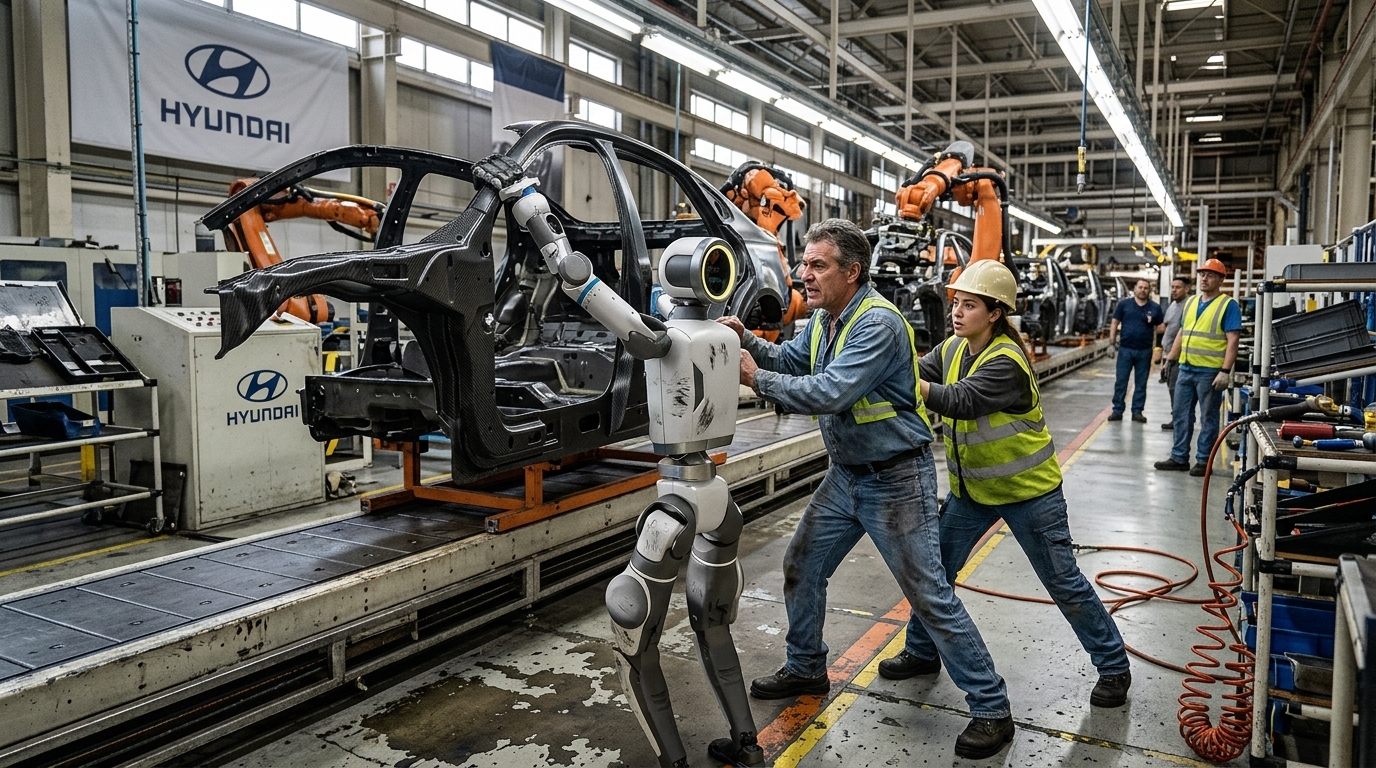
Unlike the automation of previous decades, which primarily affected manual labor and industrial production, Generative AI targets the heart of the middle class. Lawyers, programmers, data analysts, and content creators are seeing tasks that required years of study now being performed in seconds by an algorithm. This creates a sense of insecurity we haven't seen since the first Industrial Revolution.
The Creative Destruction of the 21st Century
Economist Joseph Schumpeter introduced the term "creative destruction" to describe how old structures collapse to make way for new ones. In the case of AI, the "destruction" is already visible. According to recent studies by international organizations, up to 40% of jobs worldwide are exposed to the impact of AI. In developed economies, this figure reaches 60%. However, exposure does not necessarily mean replacement. For many, AI will act as a "copilot," taking over repetitive and tedious tasks, allowing humans to focus on strategy and creativity.
The problem lies in the speed of the transition. While in the past workers had decades to adapt, the AI revolution is unfolding in months. This creates a massive "skills gap." Greece, with an economy based on tourism and services but also with a growing tech scene, finds itself in a unique position. The need for reskilling and upskilling is no longer an option but a necessity for the survival of businesses and workers alike.
New Roles in a World of Algorithms
If we look beyond the fear, we will see the emergence of professions that five years ago did not even exist as science fiction scenarios. "Prompt engineers," AI ethics auditors, biometric data analysts, and human-machine collaboration specialists are just the tip of the iceberg. AI creates demand for roles that require high emotional intelligence, critical thinking, and ethical judgment—areas where machines still lag desperately behind.
- Specialized Maintenance: The need for people who understand the "black boxes" of algorithms and can fix them.
- Ethics and Regulatory Compliance: With the implementation of the EU AI Act, businesses will need thousands of experts to ensure that AI use is legal and fair.
- Personalized Services: AI can automate mass production, but the human touch will become a premium product, from education to healthcare.
The Political and Social Challenge
The question is not only technical but deeply political. Who reaps the profits from the productivity gains offered by AI? If labor is replaced by capital (algorithms), then inequality risks skyrocketing. This is where the debate on Universal Basic Income (UBI) and robot taxation enters. Governments must act proactively, investing in public education systems that don't just teach knowledge, but the ability to learn continuously.
"AI will not replace humans, but humans who use AI will replace those who do not."
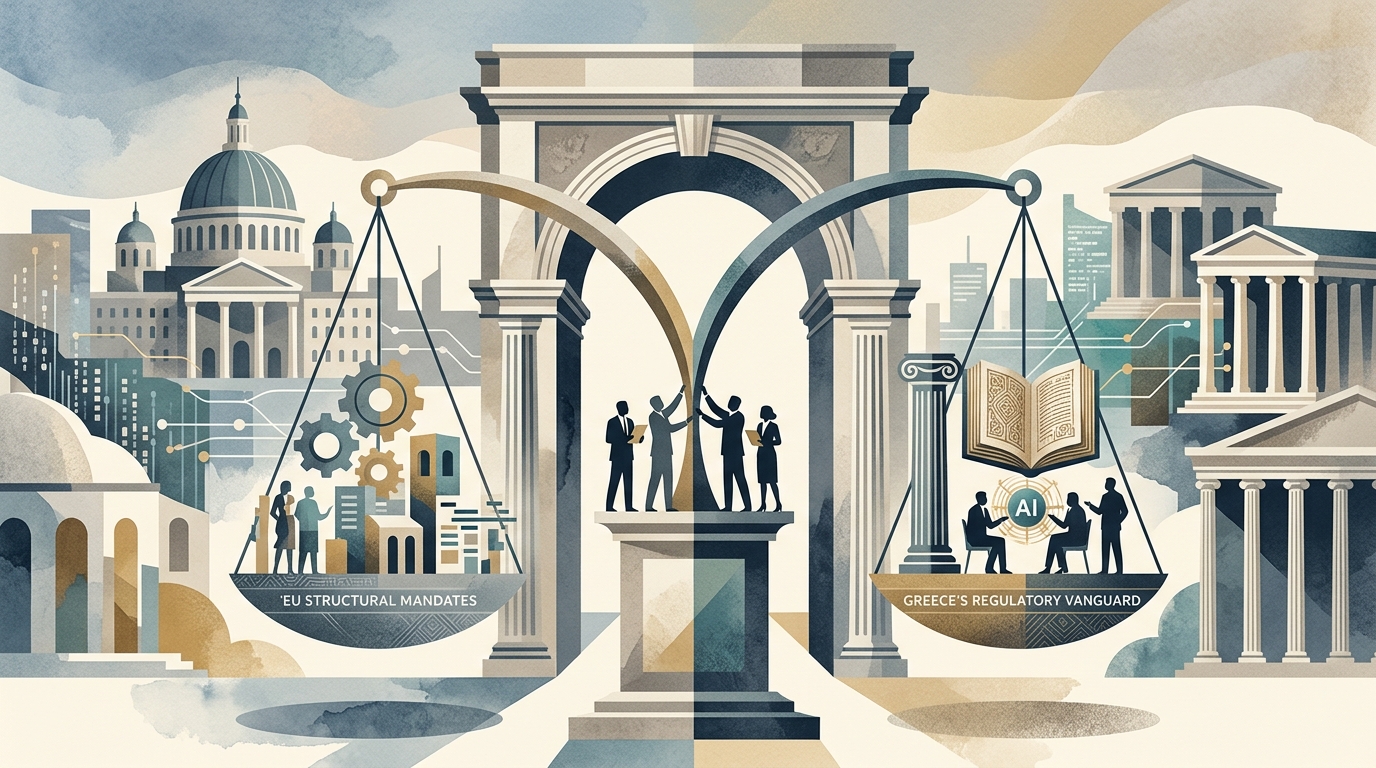
In conclusion, AI is a power multiplier. In the hands of a prepared society, it can solve problems that have plagued us for centuries. In the hands of an unprepared one, it can lead to social disintegration. The choice is ours, and time is pressing. Greece must see AI not as an imported threat, but as a tool to overcome structural weaknesses of decades, as long as it invests in the only resource machines cannot replicate: human creativity and adaptability.