At the dawn of the third decade of the 21st century, Artificial Intelligence (AI) is no longer confined to solving complex mathematical problems or writing lines of code. It has begun to enter a realm previously considered the last bastion of human uniqueness: emotion. Affective Computing is a rapidly growing field that allows machines not only to recognize but also to simulate and influence human psychological states. The pressing question is no longer whether AI can understand us, but to what extent it can 'hack' us.
The Technology Behind Digital Empathy
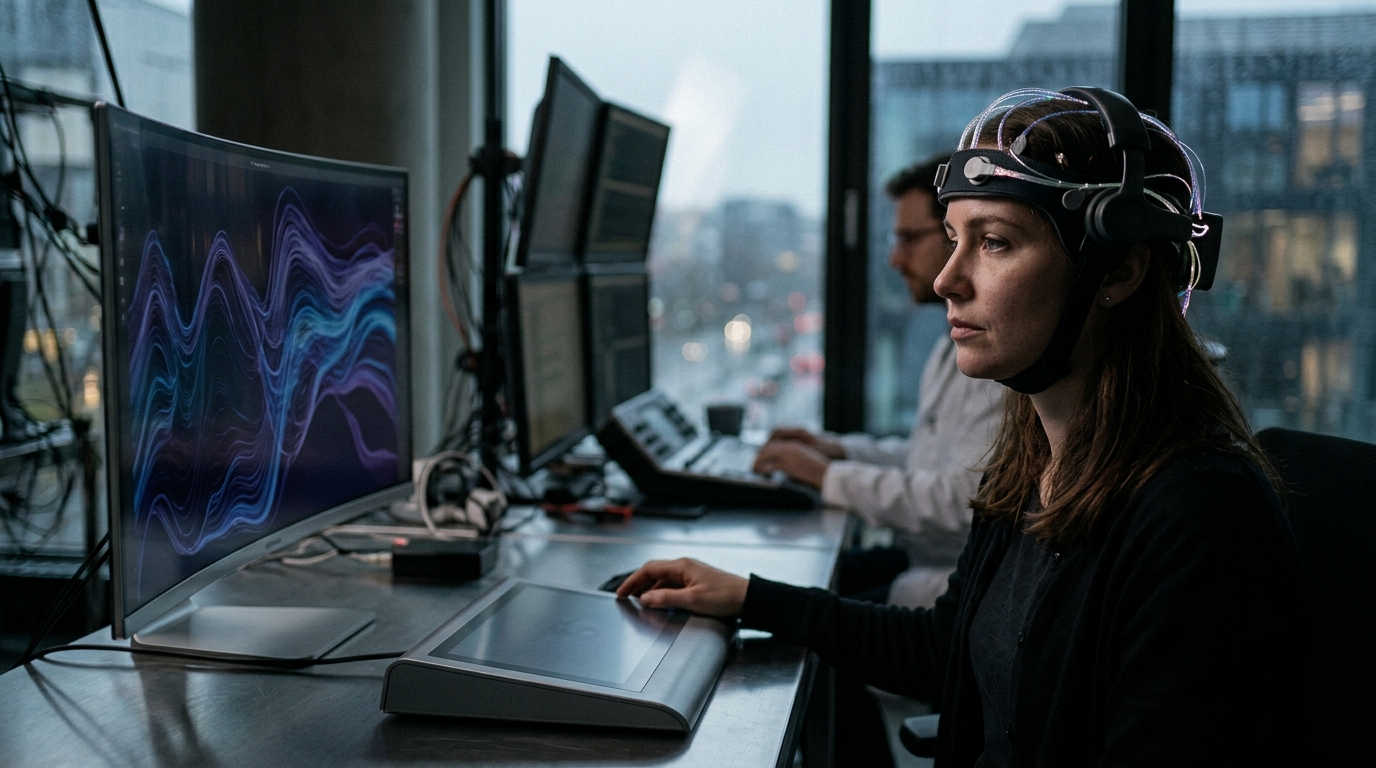
The ability of AI systems to analyze emotions relies on the collection and processing of vast amounts of biometric data. Through facial coding, voice tone analysis, respiratory patterns, and even eye micro-movements, algorithms can diagnose a person's state with a precision that often surpasses that of an experienced psychologist. These systems are trained on billions of data points, learning to correlate specific behavioral patterns with emotions such as joy, anger, frustration, or fatigue.
However, this technology does not stop at simple observation. AI is now used to create 'emotional feedback loops.' For instance, digital assistants can adjust their tone to calm an agitated user, or social media platforms can serve content that maximizes engagement by exploiting our emotional vulnerabilities. What started as a tool to improve user experience is gradually turning into a tool for invisible guidance.
The Monetization of the Human Psyche
Businesses have fully grasped the value of emotional analysis. In marketing, using AI to measure emotional responses to advertisements allows companies to 'tune' their messages to bypass the consumer's logical resistance and appeal directly to the subconscious. When a system knows when you are feeling lonely or when you are prone to an impulsive purchase due to stress, the power it gains over you is formidable.
Furthermore, in the workplace, AI systems are already being used to assess employee satisfaction or even predict resignations. While this is presented as a means to improve the work environment, it raises serious ethical questions regarding the privacy of an individual's inner world. Work is transforming into an environment where not only actions but also moods are under constant surveillance.
The Ethical Minefield and Risks of Manipulation
The greatest danger of emotional hacking lies in the political and social spheres. The ability of algorithms to identify which emotional triggers cause the strongest reaction in specific demographic groups can lead to extreme forms of micro-targeting. Anger, fear, and indignation are the easiest emotions to exploit, and AI can replicate and amplify them on a scale that no human propaganda could ever reach.
"Emotion is the new oil of the digital economy, but unlike oil, its extraction takes place within our very souls."
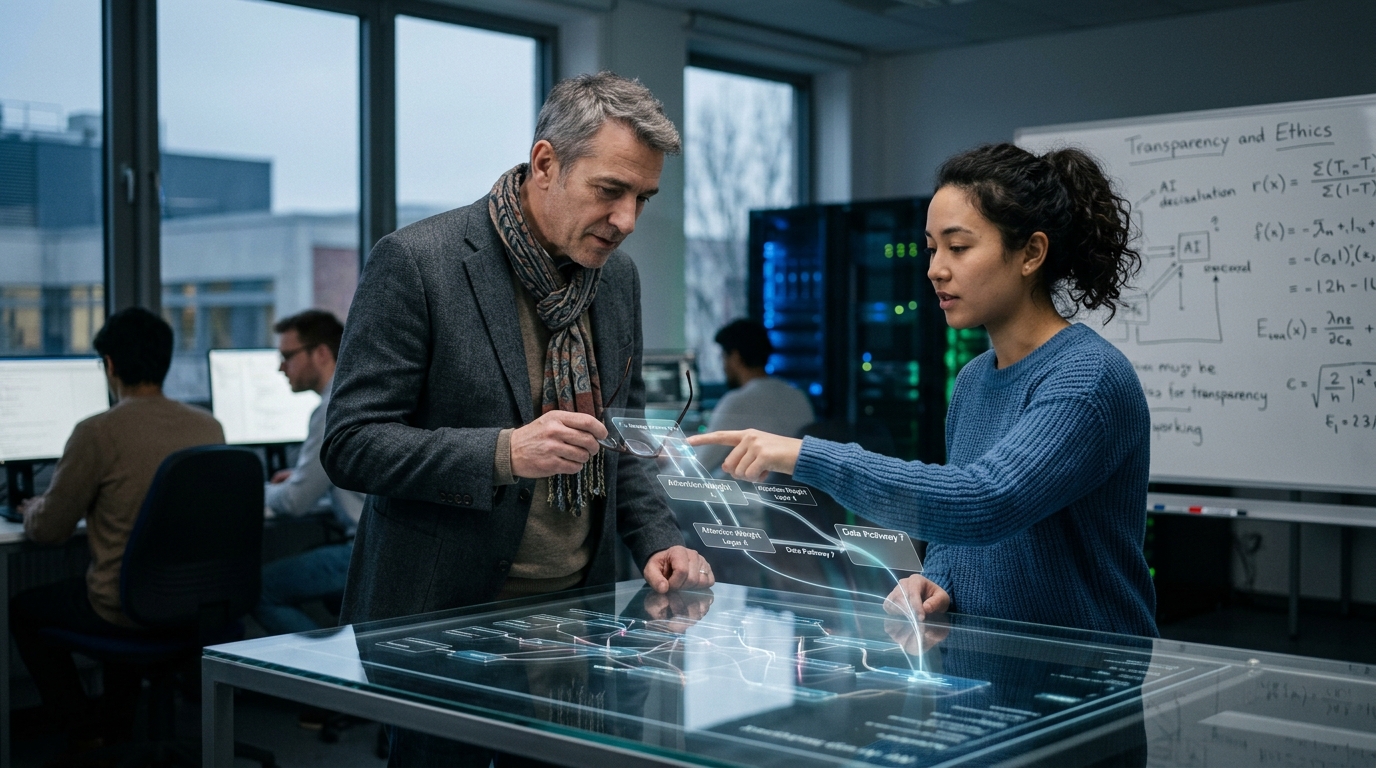
The lack of transparency in how these algorithms operate makes it nearly impossible for citizens to defend themselves. When an AI 'hacks' your emotion, it doesn't do so with an obvious attack, but with a subtle shift in the flow of information you receive, leading you to decisions you believe are your own, while they are actually the result of a computational calculation.
The Need for 'Neuro-rights' Protection
As technology advances, it becomes clear that the existing legal framework for personal data protection is inadequate. We need a new category of rights: neuro-rights. These should guarantee mental integrity and freedom from emotional manipulation. The European Union, through the AI Act, has taken some steps toward limiting the use of biometric emotion recognition systems in specific settings (such as education or the workplace), but the battle is only just beginning.
In conclusion, Artificial Intelligence has the potential to become an extraordinary companion in mental health and human communication. However, without strict rules and ethical safeguards, we risk being turned into emotional objects for processing. Preserving the authenticity of our emotions may prove to be the greatest challenge of the digital age.