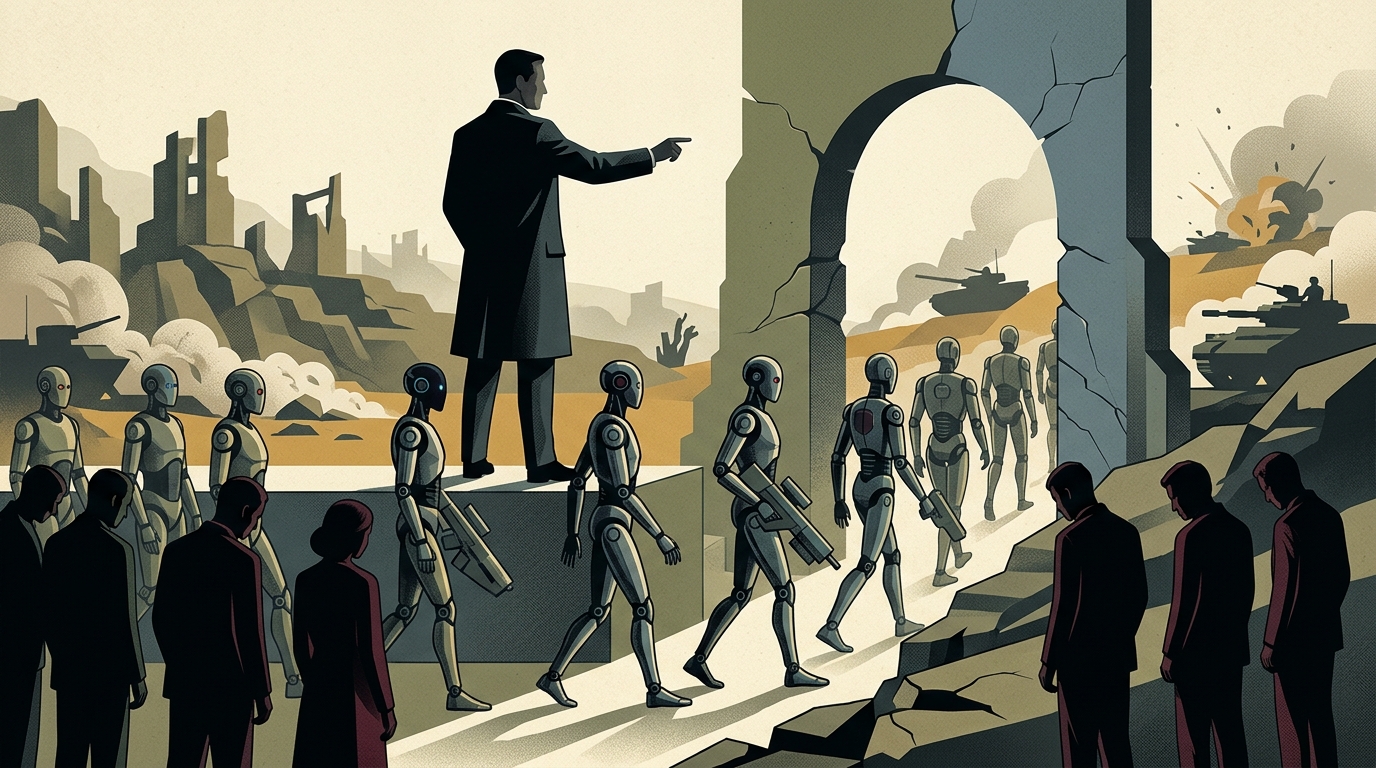
In the twilight of the first half of the 2020s, the promise of Artificial Intelligence (AI) was a "productivity spring" that would benefit all of humanity. However, as we move through 2026, the reality is proving far more complex and, for many, ominous. AI is not merely an optimization tool, but a powerful catalyst accelerating existing social and economic inequalities, creating new forms of exclusion that some analysts are already calling "digital feudalism."
The issue of inequality is not just about income; it is about access to the power of intelligence itself. When algorithms decide who gets a loan, who gets hired, or how public resources are allocated, the bias embedded in training data transforms into systemic injustice. This inequality manifests at three primary levels: the individual, the corporate, and the geopolitical.
The Erosion of the Middle Class and Polarized Labor
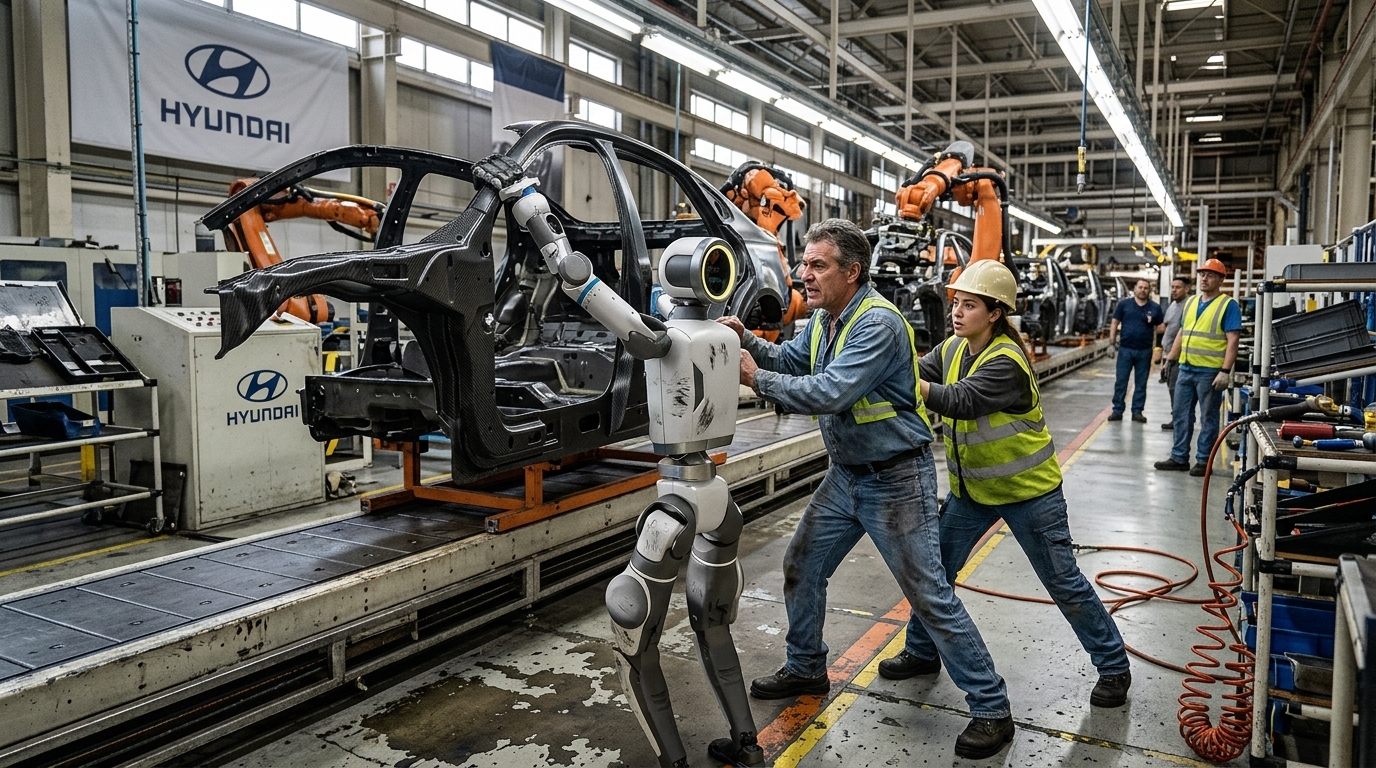
The traditional belief that technological progress only replaces manual labor has been shattered. In 2026, we are witnessing unprecedented pressure on knowledge-intensive professions. AI has begun to "swallow" roles in law, accounting, and software engineering, creating a two-tier labor market. On one side, a small elite of "algorithm owners" and specialized scientists concentrate immense wealth. On the other, the majority of workers are pushed into low-paid service roles that AI cannot yet perform cost-effectively, such as personal care or manual maintenance.
This polarization is not accidental. It is the result of an economic structure where capital (ownership of AI models) yields far higher returns than labor. Without robust interventions—such as taxing robots or strengthening collective bargaining in the age of algorithms—the middle class risks shrinking to historically low levels, reminiscent of 19th-century social structures.
Digital Colonialism and the Geopolitical Gap
Globally, inequality is taking the form of a new colonialism. Global North countries, possessing the computational power and data, impose their cultural and economic standards on the rest of the world. Developing economies are often relegated to the role of "cheap data labor" providers, where thousands of people work in grueling conditions to label data for models that enrich Silicon Valley or Shanghai corporations.
Furthermore, the cost of training large language models (LLMs) has become so prohibitive that only a few nations and a handful of companies can participate in the race. This creates a dependency of poorer nations on foreign technological infrastructure, undermining their national sovereignty and their ability to develop AI solutions tailored to their specific needs and languages.
Algorithmic Bias: The Invisible Discrimination
The ethical dimension of AI inequality lies within the functioning of algorithms. These systems are trained on data reflecting society's historical prejudices. When a bank uses AI for credit scoring, the algorithm may reject applications from specific neighborhoods or ethnic groups, not because they are unreliable, but because the model "learned" past discriminations. This creates a vicious cycle where technology automates and legitimizes injustice, making it harder to detect and combat.
Toward a New Social Contract
Addressing these challenges requires radical solutions. The debate over Universal Basic Income (UBI) is no longer theoretical but necessary as productivity decouples from employment. Simultaneously, we need to democratize access to compute power so that AI does not remain the privilege of the few.
The European Union, with its AI Act, took the first step, but legislation must evolve. We must ensure that AI is used to close the gap in healthcare and education rather than widen it. Technology is a mirror of our values. If we do not consciously choose equality, AI will automatically choose the concentration of power.