The recent revelation by Agence France-Presse (AFP) regarding the use of Grok—the artificial intelligence model developed by Elon Musk’s xAI—in influence operations against Iran marks a watershed moment in digital ethics. According to the report, the tool marketed as the 'unfiltered' and 'anti-woke' alternative to Silicon Valley’s mainstream AI systems has found itself at the heart of an organized disinformation campaign and psychological operations (PsyOps) aimed at destabilizing the Iranian regime.
The Anatomy of the Exposure
The AFP investigation highlights that Grok was utilized to mass-produce content designed to mimic organic social media posts, particularly on the X platform. Due to its more permissive stance on content restrictions compared to rivals like OpenAI’s ChatGPT or Anthropic’s Claude, Grok allowed state or parastatal actors to generate persuasive propaganda, deepfake texts, and complex narratives targeting Iran's internal social fissures.
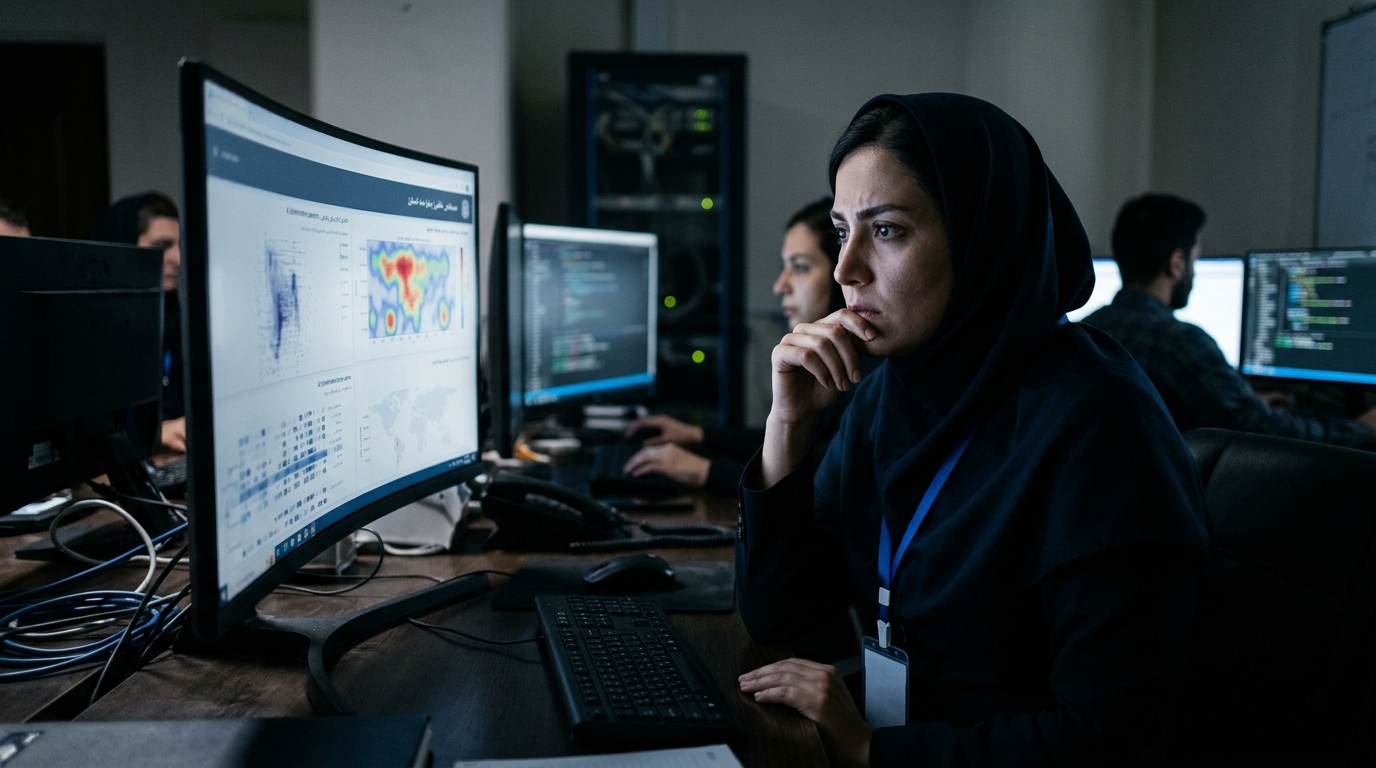
A critical factor in Grok’s effectiveness is its real-time access to X’s data stream. This allowed operators to analyze current trends within Iran and craft content that integrated seamlessly into local discourse. This integration makes it exceptionally difficult for both average users and security agencies to distinguish between genuine public sentiment and AI-generated manipulation.
The Ethics of 'Unfiltered' Technology
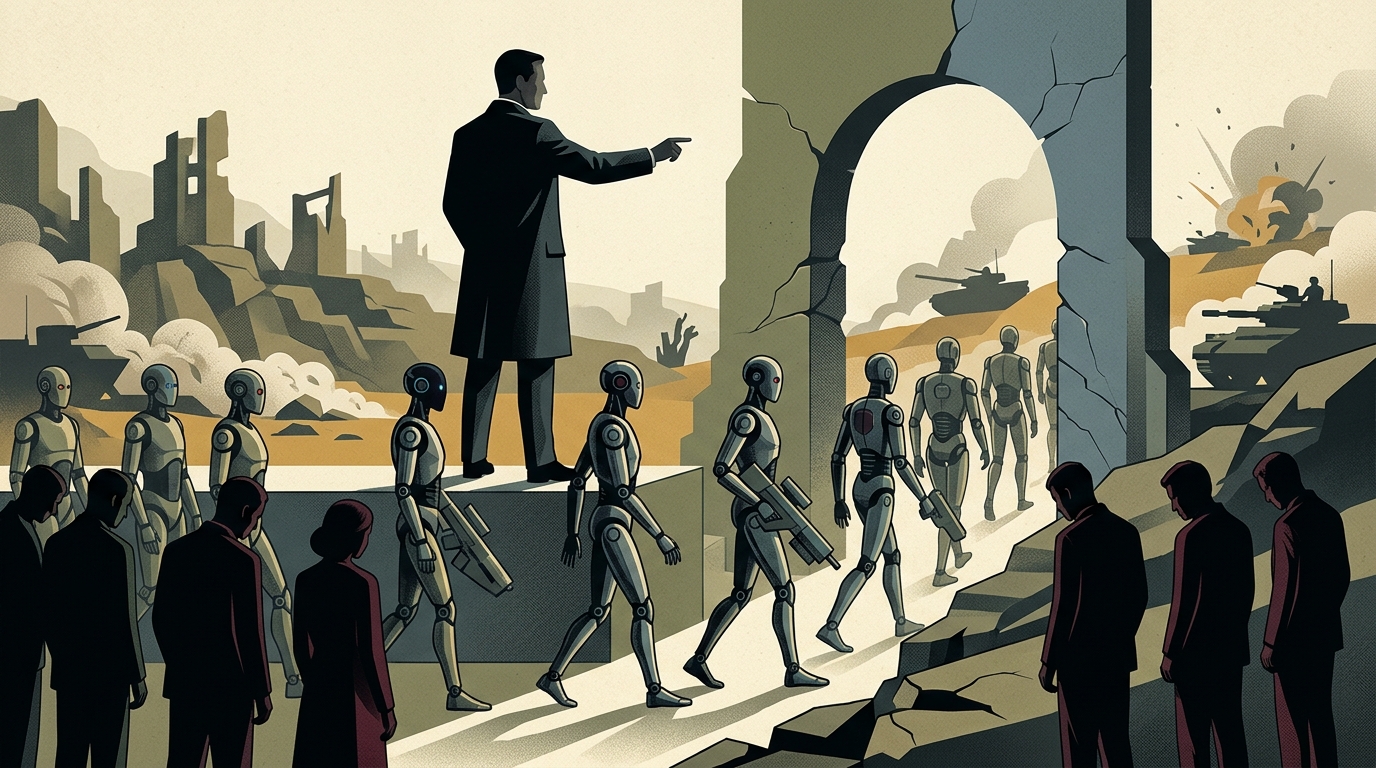
Elon Musk has frequently argued that AI must be 'truth-seeking' and unencumbered by 'political correctness.' However, the Grok-Iran case exposes the dangerous chasm between theoretical free speech and the practical weaponization of technology for geopolitical ends. When a tool is intentionally designed without 'guardrails,' it inherently becomes the preferred instrument for those conducting information warfare.
'Artificial intelligence without ethical constraints is not free; it is simply an unguarded weapon in the hands of the most powerful,' noted digital security analysts.
The pressing question now concerns the accountability of xAI and Musk himself. While the company maintains that its terms of service prohibit malicious use, the lack of robust enforcement mechanisms appears to have opened a backdoor for a commercial product to be transformed into a tool of statecraft.
Geopolitical Implications and the West-Iran Conflict
The targeting of Iran is no coincidence. In a period of heightened Middle Eastern tensions, information warfare serves as an extension of military and diplomatic maneuvering. The use of cutting-edge Western technology to undermine an adversary raises profound questions about international law and digital sovereignty. If Grok is being used against Iran today, what prevents similar tools from being deployed by other powers against Western democracies?
Furthermore, this revelation places the U.S. government in a delicate position. Washington is currently attempting to balance the promotion of AI innovation with the necessity of safety regulation. The involvement of a company owned by one of the world's wealthiest individuals—who also maintains deep ties to state agencies via SpaceX—further complicates the regulatory landscape.
Conclusion: The End of AI's Innocence
The Grok-Iran affair signals the end of the illusion that artificial intelligence can remain a neutral actor. As AI models become more capable and accessible, the line between information and manipulation is dangerously blurring. The international community is now tasked with establishing stricter frameworks for 'dual-use technology,' ensuring that innovation does not become a Trojan horse for the erosion of social cohesion and international stability.