The glare of the stadium lights, the roar of millions of fans, and the global spotlight fixed on a single nation for a month often create the impression of an economic 'El Dorado.' However, as the dust settles and economists begin to crunch the numbers, the emerging picture is far more complex and often less rosy than organizers promise. The question remains urgent: Does the World Cup actually score for the real economy, or is it a well-orchestrated PR bubble?
The Illusion of Consumption: The Substitution Effect
According to recent analyses from the IfO Institute in Munich and the German Retail Federation (HDE), the idea that a World Cup provides a net increase in domestic consumption is largely a myth. What is actually observed is the so-called 'substitution effect.' Consumers don't necessarily spend more money; they simply shift their priorities.
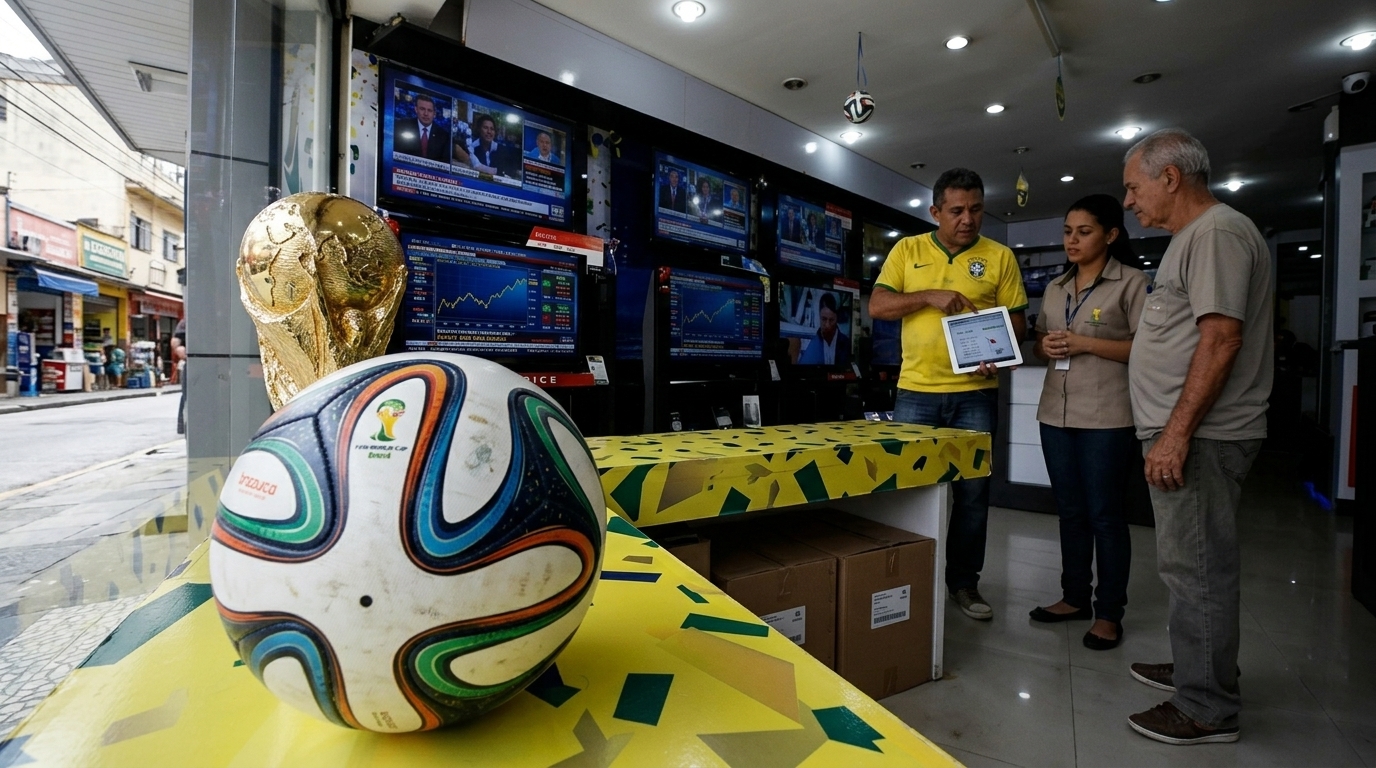
For example, a fan might buy a new high-definition television, an official national team jersey, or larger quantities of beer and snacks for match nights. However, this money is diverted from other activities: a movie, a dinner at a restaurant that doesn't show matches, or even future holiday savings. As Marcel Fratzscher, President of DIW Berlin, points out, 'The World Cup redistributes spending within the economy; it doesn't create new wealth from scratch.'
- Electronics sales see a temporary spike.
- The hospitality sector (sports bars) benefits at the expense of cultural tourism.
- Retail sales of non-sporting apparel often decline.
Tourism: The Paradox of Displacement
One of the core promises of every host nation candidate is a tourism boom. While it is true that thousands of fans flood the cities, there is a dark side often ignored: the 'crowding out' effect. Regular tourists, who typically spend more on museums, theaters, and fine dining, tend to avoid host countries during the World Cup to escape the crowds, high hotel prices, and general noise.
'Cities hosting major events often see their traditional visitors disappear, replaced by fans who spend their money primarily on tickets and low-cost consumption,' the IfO report states.
In the case of Germany, analysts observed that while hotels in host cities were full, prices rose so sharply that they deterred business travelers, who form the backbone of the industry's consistent revenue. The final result on the tourism balance sheet is often marginal or even negative.
Infrastructure and 'White Elephants'
The greatest economic risk involves infrastructure. Constructing state-of-the-art stadiums costing billions of euros often leads to the creation of 'White Elephants'—buildings that remain dormant after the event, requiring massive sums for maintenance. For a country like Germany, which already has existing infrastructure, the cost is manageable. For emerging economies, however, the accumulated debt can mortgage the future of an entire generation.
Cost-benefit analysis shows that public investment in sports infrastructure has a much lower multiplier than investments in education, healthcare, or digital infrastructure. The question arises whether taxpayers' funds are being used in the most efficient way or if they are being sacrificed on the altar of national prestige.
The Psychological Dimension: The 'Sommermärchen' and Productivity
There is, however, an intangible side. The 'Summer Fairytale' (Sommermärchen), as the 2006 World Cup in Germany was dubbed, significantly improved the country's international image and boosted national confidence. This psychological lift can translate into a small increase in productivity and consumer optimism, though this is extremely difficult to quantify.
In conclusion, the World Cup is not the 'growth engine' many proclaim it to be. It is an expensive party that can provide moments of joy and temporary visibility, but it rarely leaves behind a positive economic footprint that justifies its enormous cost. The economy doesn't score with goals, but with structural reforms and sustainable investments.