In the twilight of spring 2026, the entertainment industry faces a tectonic shift that threatens to redraw the map of global media. The much-discussed merger between Warner Bros. Discovery (WBD) and Paramount Global is no longer just a rumor in the offices of Wall Street analysts; it is a reality taking shape, bringing with it profound questions about the future of cinema, television, and, most importantly, the ethics of executive compensation.
The "Golden" CEO and the $500 Million Package
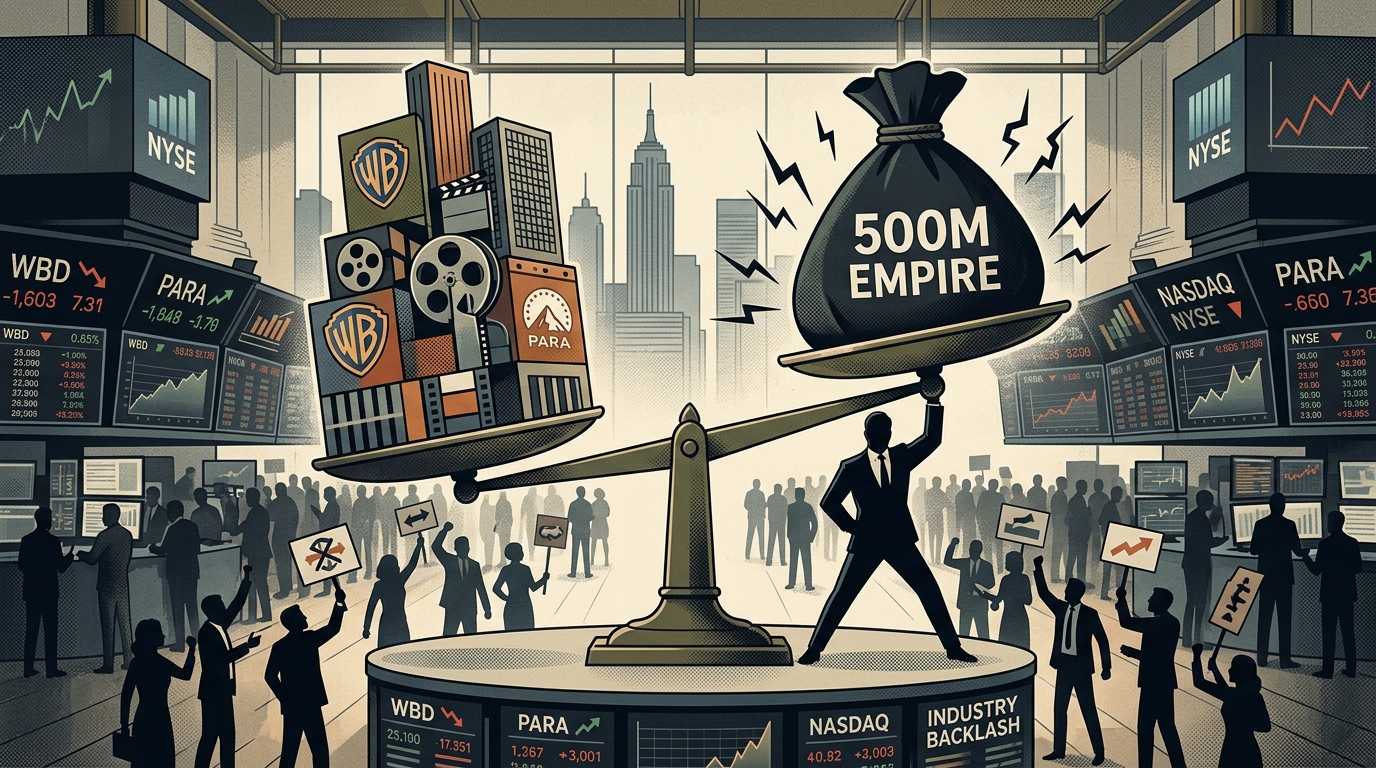
At the center of the storm is David Zaslav, the man leading Warner Bros. Discovery with an iron fist and a controversial strategy of aggressive cuts. According to recent data for the 2025 fiscal year, Zaslav received compensation totaling $165 million. However, what has sparked outrage among unions and shareholders is the revelation that, upon completion of the merger with Paramount, his exit package or new contract could reach the astronomical sum of $500 million.
The contrast is jarring. While Zaslav amasses wealth reminiscent of monarchs from another era, WBD has moved forward with thousands of layoffs, canceled nearly completed films for tax write-offs, and drastically reduced spending on original content. The strategy of "Zaslavization"—the transformation of art into a pure commodity driven solely by metrics—is now reaching its peak with the Paramount merger.
Survival through Scale: The Strategic Rationale
Why is Warner Bros. Discovery pursuing this merger despite the massive debt it already carries? The answer lies in the need for scale. In the streaming wars, size matters. Merging the catalogs of Max (WBD) and Paramount+ would create a giant with content ranging from HBO and CNN to CBS, Nickelodeon, and the legendary Paramount Pictures studios.
- Content Synergies: Uniting franchises like Harry Potter and the DC Universe with Star Trek and Mission: Impossible.
- Cost Reduction: The ability to cut billions of dollars from redundant operations and infrastructure.
- Advertising Power: A unified platform could compete more effectively with Netflix and Disney in the digital advertising market.
However, analysts warn that merging two debt-heavy companies does not guarantee success. Paramount Global, under the control of Shari Redstone, has long been seeking a lifeline, but joining the WBD fold may create a cumbersome organization that will struggle to adapt to rapid changes in AI and new forms of content consumption.
Backlash and Political Implications
The backlash is not limited to financial circles. In Hollywood, creators fear that further concentration of power will lead to fewer opportunities for original voices and a homogenization of content. "It’s no longer about making movies; it’s about managing debt through the destruction of intellectual property," said one prominent director who asked to remain anonymous.
"Zaslav’s compensation is an insult to every worker who saw their job sacrificed at the altar of leadership bonuses," stated a press release from the writers' guild.
In Washington, regulators (FTC and DOJ) are scrutinizing the deal with extreme care. In an election year marked by intense political friction, the creation of an information monopoly (CNN and CBS under the same roof) raises concerns about media plurality and the quality of democratic discourse. The administration is under pressure to block the deal, citing antitrust laws, but corporate lobbyists are working feverishly to argue that the merger is essential for the survival of American entertainment against Chinese and big-tech threats.
The Future of Entertainment
As we head into the second half of 2026, the Warner-Paramount case will serve as the ultimate crash test for Hollywood's capitalist model. If David Zaslav manages to finalize the deal and collect his mythical package, he will have proven that Wall Street rewards the efficiency of numbers over the value of creation. If, however, public outcry and regulatory hurdles halt the process, we might see the beginning of the end for the era of mega-mergers, forcing studios back to what they do best: telling stories that matter.