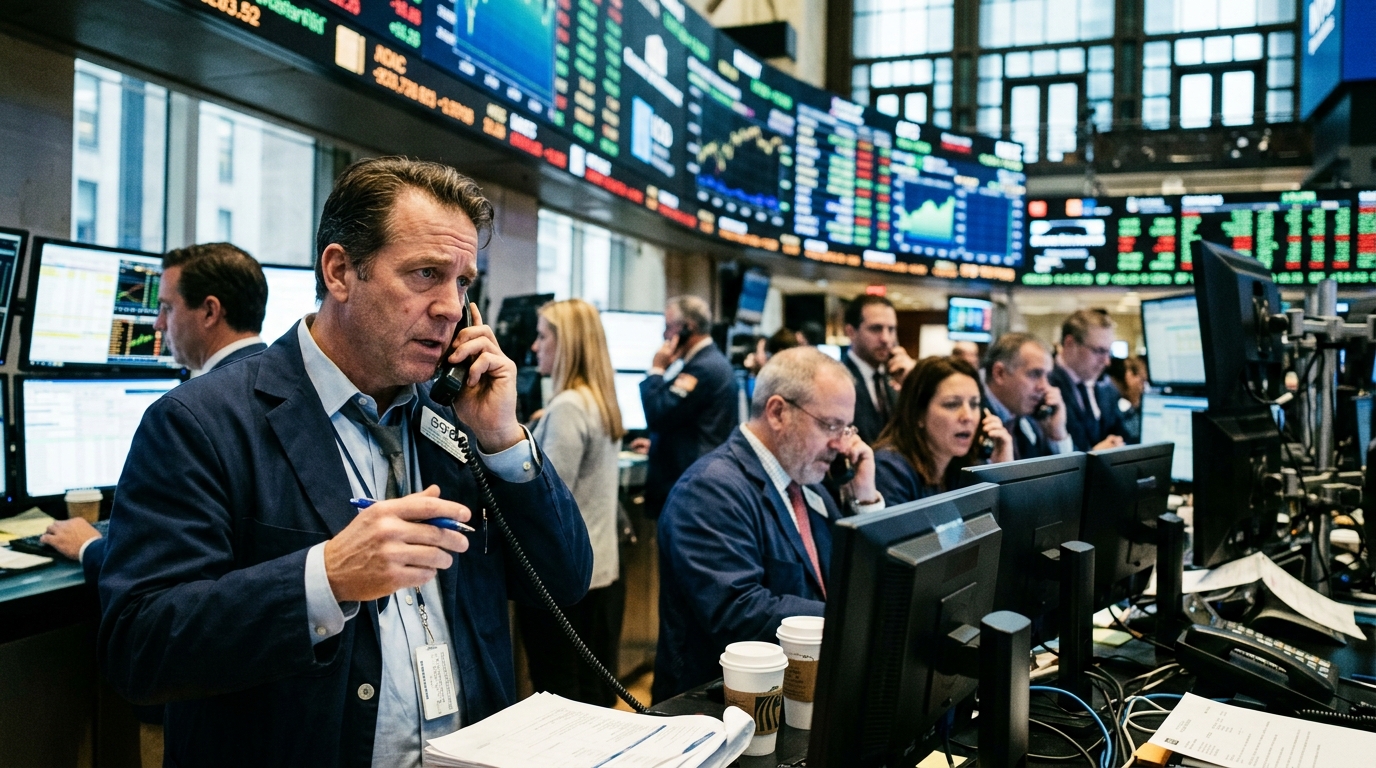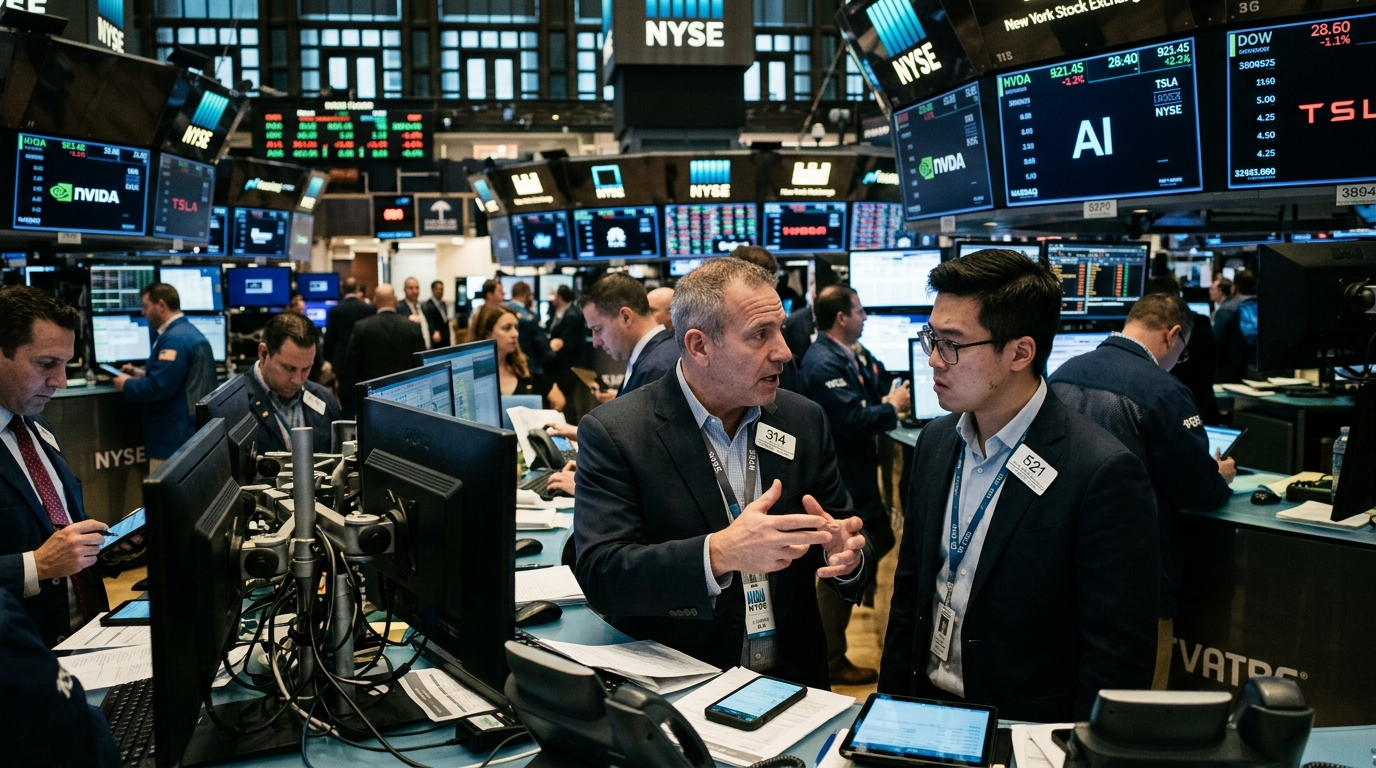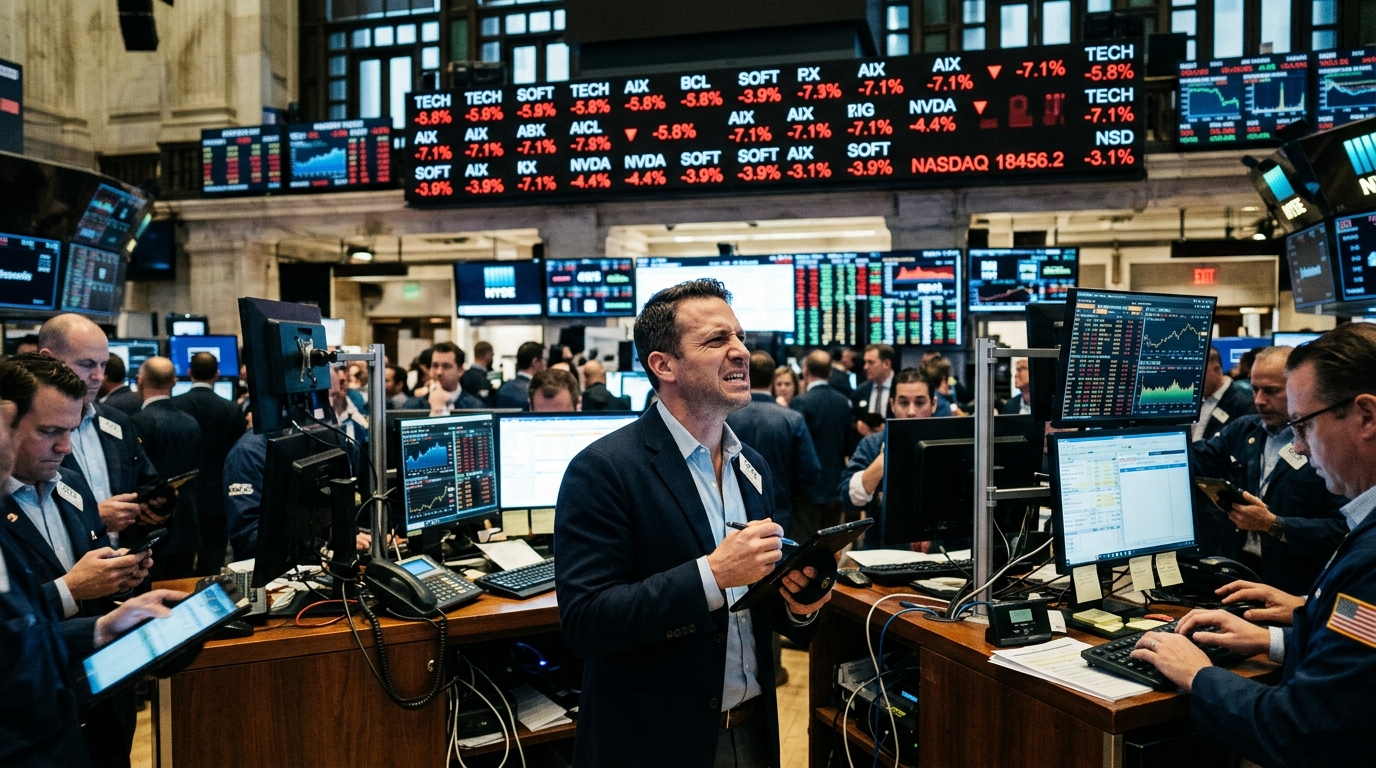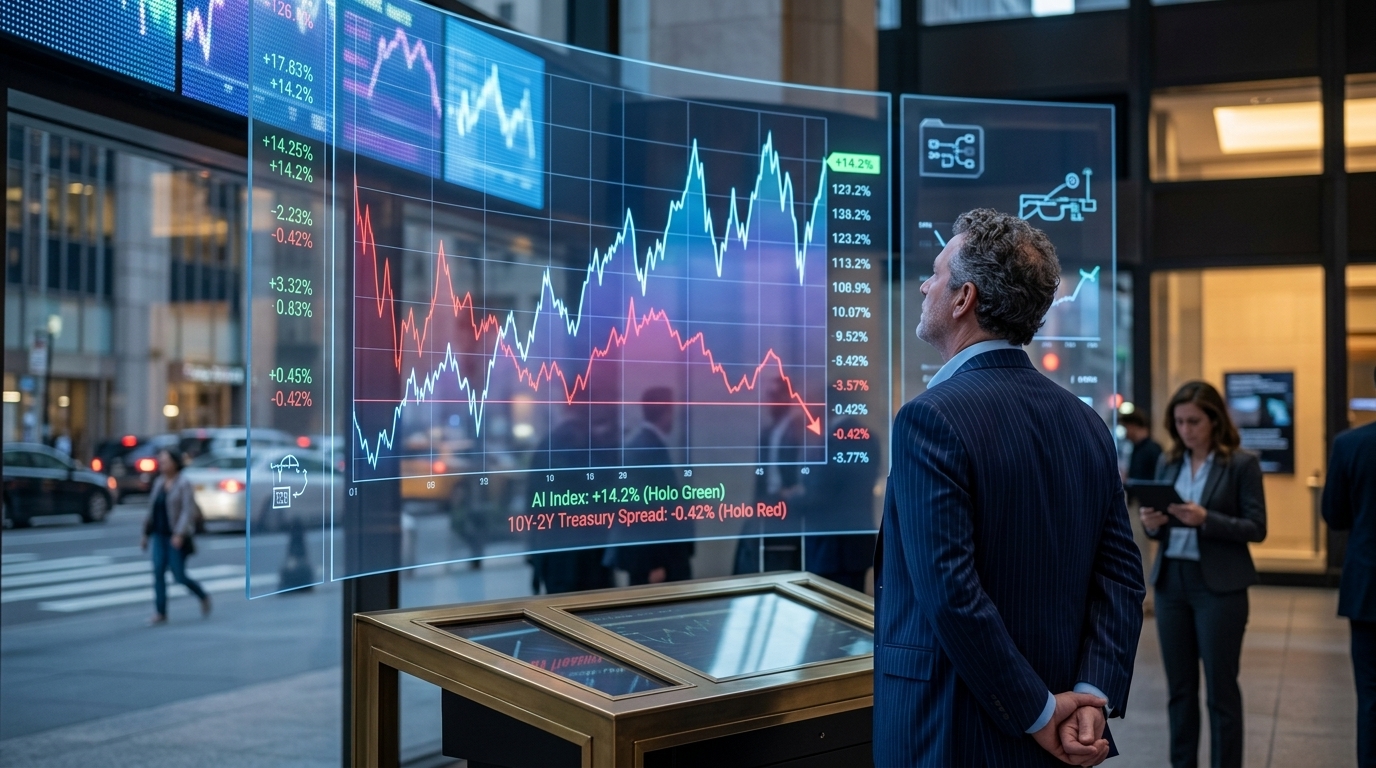
The current state of Wall Street resembles a chess match where the rules are being rewritten in real-time. On one side, the fervor for Artificial Intelligence (AI) is propelling the S&P 500 and Nasdaq to historic highs, with Nvidia and other tech titans leading the charge. On the other, the bond market is flashing warning signs, as 10-year U.S. Treasury yields climb to levels that would historically stifle growth stocks. This decoupling between expectations for a technological revolution and the macroeconomic reality of high interest rates represents the central dilemma for investors in 2026.
The AI ‘Immunity’ to Interest Rates
Traditionally, technology stocks are viewed as rate-sensitive. When bond yields rise, the discounted value of future earnings drops, making high-priced growth stocks less attractive. However, the current generation of AI champions appears to possess a unique form of immunity. The reason is straightforward: earnings are no longer hypothetical. Companies like Microsoft, Alphabet, and Nvidia are generating cash flows that largely justify their valuations, even in a "higher for longer" interest rate environment.
Demand for AI infrastructure—from semiconductors to data centers—remains insatiable. Investors are betting that the productivity gains brought about by AI will far outweigh the cost of capital. Furthermore, Big Tech firms are sitting on massive cash reserves, making them less reliant on external financing compared to the smaller companies in the Russell 2000 index, which are struggling under the weight of expensive debt.
The Warning Signal from the Bond Market
Despite the euphoria, the bond market cannot be ignored. Treasury yields reflect expectations for inflation and Federal Reserve monetary policy. The recent spike in yields suggests that inflation remains stickier than analysts had hoped, forcing the central bank to maintain restrictive rates. This creates an "asymmetric threat": if the economy slows down sharply while rates remain high, the AI rally could face a violent correction.
Analysts point out that the equity risk premium—the difference between the expected return on stocks and the guaranteed return on bonds—is at historical lows. This means investors are paying a high premium for the promise of AI at a time when bonds offer a safe and respectable yield. If confidence in the "growth narrative" wavers even slightly, the rotation of capital toward the safety of bonds could be swift and severe.
From Hype to Real-World Implementation
As we move into the second half of 2026, the market is transitioning from the "hype" phase to the "proof" phase. Investors are no longer satisfied with the mere mention of "AI" during earnings calls. They are demanding concrete data on how the technology translates into revenue. This shift toward quality is what keeps the mega-caps afloat, but it also creates a "two-speed" market.
- Infrastructure leaders (Nvidia, Broadcom) continue to thrive as the "picks and shovels" of the era.
- Software-as-a-Service (SaaS) companies are struggling to prove that customers are willing to pay extra for AI-integrated tools.
- Traditional sectors (energy, industrials) are beginning to integrate AI for cost reduction, offering an alternative investment path.
The critical variable remains energy consumption. The cost of powering massive AI models has turned utility companies and nuclear energy providers into the unexpected winners of this cycle. This adds another layer of complexity: AI is no longer just about code; it’s about physical resources and infrastructure.
Conclusion: A Fragile Balance
Wall Street is walking a tightrope. The promise of Artificial Intelligence is real and transformative, but the laws of economics have not been repealed. The collision between technological optimism and the gravity of interest rates will dictate market direction in the coming months. For the prudent investor, diversification and a focus on companies with robust balance sheets remains the only viable strategy in an environment that, while glittering with potential, hides significant macroeconomic risks.